
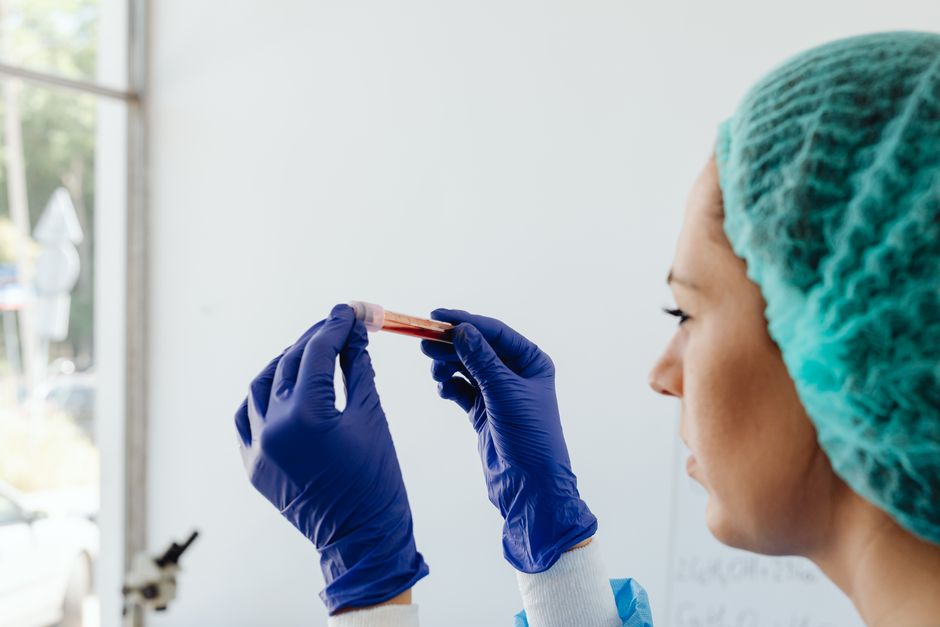
A stool sample test looks for signs of infection, inflammation, blood, and problems with how your gut absorbs food. The lab checks for bacteria, parasites, viruses, and blood you cannot see. It also measures markers like calprotectin that rise when the intestines are inflamed. Your doctor uses the results to narrow down what is causing symptoms like diarrhea, cramping, or blood in your stool.
Most people hand over a small sample and never learn what happens next. That is a shame, because knowing what labs test for makes the results easier to understand. Here is what actually gets checked, and what each finding can and cannot tell you.
What Do They Look For In A Stool Sample Test?
Labs look for four broad categories: infectious organisms, blood, inflammatory markers, and signs that food is not being digested or absorbed properly. Which tests run depends on your symptoms and what your doctor suspects. A routine stool test is not one test. It is a menu, and the doctor picks from it.
The main categories include:
- Infectious organisms — bacteria such as Salmonella, Campylobacter, Shigella, and E. coli strains; parasites such as Giardia and Cryptosporidium; and viruses including norovirus and rotavirus.
- Blood — both visible blood and hidden (occult) blood that only a lab can detect.
- Inflammation markers — most commonly fecal calprotectin, a protein released by white blood cells in the gut.
- Digestion markers — fat, undigested sugars, or other substances that suggest malabsorption.
Some tests are ordered routinely. Others are targeted. A doctor who suspects a parasite will not usually order a calprotectin test, and a doctor screening for colon cancer looks at something different again. The symptom drives the test.
How Does a Stool Culture Test Work?
A stool culture is the classic test for bacterial infection. The lab places a small amount of your sample on special plates that encourage bacteria to grow. If harmful bacteria are present, colonies appear, and the lab identifies them.
This process takes time. Results usually come back in two to three days, sometimes longer for slow-growing organisms. That is why your doctor may start treatment based on symptoms before the culture result is ready.
Culture has limits. It only detects bacteria that grow well in a lab dish. Some organisms need special handling or different tests. Molecular tests, which look for bacterial DNA directly, are faster and can catch organisms culture might miss. Many labs now use them alongside or instead of culture. Which test you get depends on your local lab and your doctor’s request.
What Does a Parasite Test Look For?
A parasite test looks for parasites and their eggs or cysts in your stool. Common targets include Giardia, Cryptosporidium, and Entamoeba. These organisms can cause prolonged diarrhea, cramping, and sometimes greasy or foul-smelling stool.
Parasites are not always easy to find. They can be shed in bursts, so a single sample may miss them. For this reason, many labs ask for multiple samples collected on different days. If your doctor strongly suspects a parasite and the first test is negative, repeat testing is common and reasonable.
Some parasites are more common after travel to certain regions, after drinking untreated water, or in settings like childcare centers. Your doctor will ask about these exposures because they change which organisms are worth testing for.
What Do Calprotectin and Other Inflammation Markers Tell You?
Fecal calprotectin is a protein that white blood cells release when they move into the intestinal lining. High levels in stool suggest inflammation somewhere in the gut. It is used most often to help tell inflammatory bowel disease (IBD) apart from irritable bowel syndrome (IBS).
This distinction matters. IBS does not cause inflammation, so calprotectin is typically normal in IBS. IBD, such as Crohn’s disease or ulcerative colitis, does involve inflammation, so calprotectin tends to be raised. A normal result makes IBD less likely and can spare some people an invasive procedure like a colonoscopy.
Calprotectin is not a diagnosis on its own. It can be raised by infections and by some medications, including certain pain relievers. A high result points toward inflammation but does not say what is causing it. The evidence supports calprotectin as a useful screening tool, not a replacement for proper evaluation.
Why Do Labs Check for Hidden Blood?
Hidden blood, called occult blood, is blood in your stool that you cannot see. It can come from polyps, ulcers, inflammation, or cancers in the digestive tract. A fecal occult blood test (FOBT) or a fecal immunochemical test (FIT) detects it.
The FIT is used in colorectal cancer screening programs in many countries. It detects human blood specifically and does not require the dietary restrictions older tests did. It is a screening tool, not a diagnosis. A positive result means you need further testing, usually a colonoscopy, to find the source.
One thing worth knowing: a positive FIT does not mean you have cancer. Many things cause hidden bleeding, including hemorrhoids and benign polyps. The test flags a need for follow-up, nothing more.
What Else Can a Stool Test Detect?
Beyond infection and inflammation, stool tests can look at how well your gut is digesting and absorbing food. These tests are less common but useful in specific situations.
A fecal fat test measures fat in your stool. Excess fat can suggest that your pancreas is not making enough digestive enzymes, or that your intestines are not absorbing fat properly. A stool pH or reducing substances test can screen for problems breaking down sugars, which is sometimes used in infants and children.
Some labs also test for C. difficile, a bacterium that causes severe diarrhea, often after antibiotic use. This is usually tested with a specific molecular or toxin test rather than a general culture, because C. difficile needs special handling.
Stool testing is also being studied for other uses, including certain cancer screening and gut microbiome analysis. Microbiome testing sold directly to consumers is not yet established for diagnosing disease. No clinical guidelines currently support using commercial microbiome stool tests to diagnose or treat specific conditions. Treat those results with caution.
What Can a Stool Test Miss?
A stool test is a snapshot. It can miss an organism that was not shed that day. It can be normal even when disease is present. And it cannot see the whole digestive tract.
For example, a stool test cannot detect a polyp or tumor directly. It can only flag hidden blood, which then requires a colonoscopy to investigate. Similarly, a normal calprotectin does not rule out every kind of inflammation, and a normal culture does not rule out every infection.
Results always need context. Your symptoms, your history, your medications, and your exposures all shape what a result means. A test that is “negative” is only reassuring when it fits the rest of the picture. Your doctor interprets the result, not the lab report alone.
How Should You Prepare for a Stool Test?
Preparation depends on the test. Some tests need no preparation at all. Others require you to avoid certain medications or foods beforehand. Always follow the specific instructions your lab or doctor gives you.
General points that apply to most stool tests:
- Collect the sample in the container provided, following the collection instructions closely.
- Wash your hands before and after collection.
- Return the sample promptly, since some organisms do not survive long outside the body.
- Tell your doctor about recent antibiotics, travel, and any medications you take.
Do not start or stop any medication on your own before a stool test. If you are unsure whether a medication affects the test, ask the lab or your doctor. This is especially important for tests that can be affected by antibiotics or by medicines that change bleeding.
Frequently Asked Questions
What diseases can a stool sample detect?
Stool tests can detect bacterial, viral, and parasitic infections, inflammation such as inflammatory bowel disease, hidden blood that may signal polyps or cancer, and problems with digesting or absorbing food. They are screening and diagnostic aids, not a complete diagnosis by themselves.
How long do stool test results take?
Results vary by test. A stool culture often takes two to three days, while molecular tests and calprotectin can return faster, sometimes within a day. Your lab can tell you the expected timeline for your specific tests.
Can a stool test detect colon cancer?
A stool test cannot detect cancer directly. The FIT test detects hidden blood, which can come from polyps or cancers, and a positive result needs a colonoscopy to find the source. It is a screening tool, not a diagnosis.
Do I need to fast before a stool test?
Most stool tests do not require fasting. Some specific tests may ask you to avoid certain foods or medications beforehand, so follow the instructions from your lab or doctor. When in doubt, ask before you collect the sample.
