
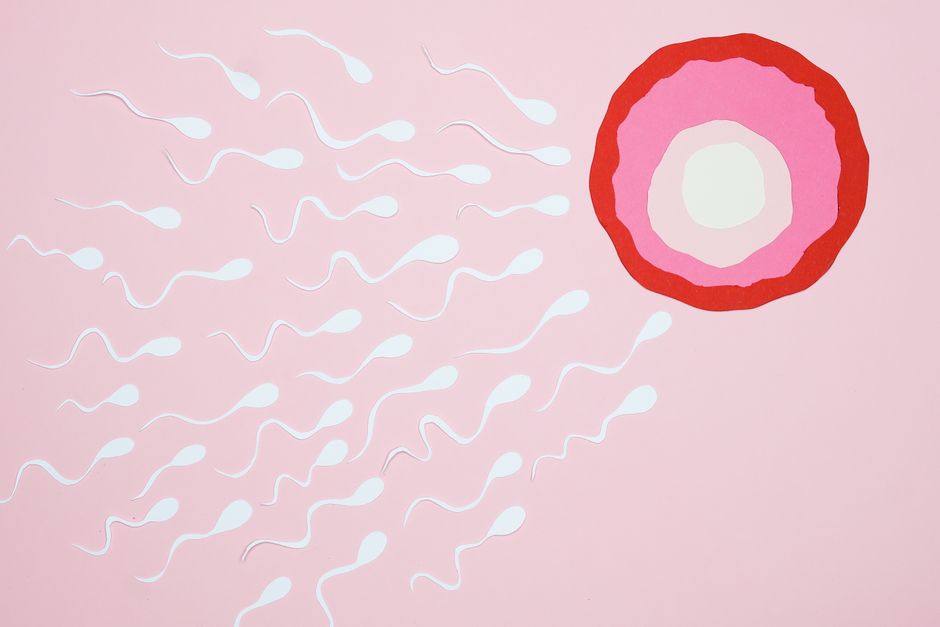
The testes do two jobs that doctors sometimes describe separately but that are physically tangled together: they make sperm, and they make testosterone. Sperm production happens in the coiled tubes inside each testis, while testosterone comes mostly from the Leydig cells sitting between those tubes. The two systems share blood supply, temperature control, and hormonal feedback, which is why a problem with one often shows up in the other.
That overlap is the part most people miss. The testes are not a sperm factory with a hormone side-gig. They are an integrated organ where hormones instruct sperm production, and sperm production signals back to the hormone system. Understanding that loop explains a lot about fertility, aging, and why certain medical treatments affect both at once.
What Do The Testes Do Besides Make Sperm?
The testes are the primary source of testosterone in men. Roughly 95 percent of circulating testosterone comes from the testes, with the adrenal glands producing the small remainder. That number is well established in endocrine physiology and appears consistently in medical references.
Testosterone does far more than most people realize. It drives the development of male reproductive structures before birth, triggers secondary sex characteristics at puberty, and continues to support muscle mass, bone density, red blood cell production, and sex drive in adulthood. It also feeds back to the brain to regulate its own production.
Inside each testis are two distinct compartments doing two distinct jobs:
- Seminiferous tubules — tightly packed coils where sperm cells develop and mature
- Leydig cells — found in the tissue between tubules, these produce testosterone
There is also a third player worth naming: Sertoli cells. These sit inside the tubules and act as nurse cells for developing sperm. They respond to follicle-stimulating hormone (FSH) from the pituitary gland and help nourish and organize sperm as they form.
So the honest answer is that the testes run two production lines at once — one cellular, one hormonal — and they depend on each other to work properly.
How Do The Testes Make Sperm?
Sperm production, called spermatogenesis, takes about 74 days from start to finish in humans. That timeline is a well-documented figure in reproductive biology, and it matters clinically: anything that disrupts sperm production — illness, medication, heat exposure — can take roughly two and a half months to fully show up in a semen analysis.
The process starts with spermatogonia, which are stem cells lining the tubules. These divide and mature through several stages, eventually becoming sperm with a head, midpiece, and tail. Sertoli cells support each stage, providing nutrients and structural guidance.
Temperature is critical here. The testes sit outside the body in the scrotum because sperm production works best a few degrees below core body temperature. That is not a minor detail — it is one of the main reasons the scrotum exists as an external structure. When testicular temperature rises persistently, sperm production can be impaired. This is why some clinicians advise against prolonged hot tub use or laptop-on-lap habits during fertility attempts, though the strength of evidence for everyday exposures is genuinely mixed.
Once mature, sperm move into the epididymis, a coiled tube behind each testis, where they continue to mature and are stored. From there they travel through the vas deferens during ejaculation.
How Do Hormones Control Testicular Function?
The testes do not work alone. They operate under a feedback loop with the brain that is elegant and tightly regulated.
The hypothalamus releases gonadotropin-releasing hormone (GnRH). That signals the pituitary gland to release two hormones: luteinizing hormone (LH) and follicle-stimulating hormone (FSH).
LH travels to the Leydig cells and tells them to make testosterone. FSH travels to the Sertoli cells and supports sperm production. This two-hormone system is why doctors check LH and FSH levels when investigating fertility or low testosterone — the results help pinpoint whether the problem is in the testes or in the brain’s signaling.
Testosterone itself feeds back to the brain. When levels rise, the hypothalamus and pituitary reduce their output, which lowers LH and slows testosterone production. When levels fall, the opposite happens. This is a negative feedback loop, and it is why taking external testosterone can shut down the body’s own production — sometimes permanently if used long enough.
That last point deserves emphasis because it is genuinely non-obvious to many people. Testosterone replacement therapy, often marketed for energy and vitality, suppresses LH and FSH. Lower LH and FSH means less signal to the testes, which can reduce sperm production and, in some cases, cause testicular shrinkage. This is a documented effect, not a rare edge case.





What Happens When Testicular Function Declines?
Testicular function can decline for many reasons, and the pattern of decline tells you a lot about the cause.
Primary hypogonadism means the problem is in the testes themselves. The brain is signaling correctly, but the testes cannot respond. LH and FSH tend to be high because the feedback loop is trying to push harder. Causes include genetic conditions, injury, infection, certain medications, and aging.
Secondary hypogonadism means the problem is in the brain or pituitary. The testes may be capable, but they are not receiving the signal. LH and FSH tend to be low or normal. Causes include pituitary disorders, certain medications, and conditions affecting the hypothalamus.
Sperm production can also decline independently of testosterone. A man can have normal testosterone and poor sperm quality, or low testosterone and normal sperm. The two systems are linked but not identical, which is why fertility evaluations check both.
Age affects both, but gradually and variably. Testosterone levels tend to decline slowly after about age 30 in many men, though the rate varies widely and some men maintain normal levels well into older age. Sperm production continues in most men throughout life, but sperm quality and quantity tend to decrease with age. These are general trends, not predictions about any individual.
Can You Support Testicular Health?
There is no proven way to boost testosterone or sperm production in a healthy man through lifestyle alone. That is the honest position, and it is worth stating clearly because the supplement market says otherwise.
What the evidence does support is avoiding things that impair function:
- Avoiding anabolic steroids and external testosterone, which suppress natural production
- Managing chronic conditions like obesity and uncontrolled diabetes, which are associated with lower testosterone
- Avoiding prolonged heat exposure to the scrotum during fertility attempts
- Limiting alcohol and avoiding smoking, both associated with reduced sperm quality
- Getting adequate sleep, since testosterone production follows a daily rhythm tied to sleep
Notice the framing: these are risk reductions, not enhancements. No supplement has been shown in large human trials to reliably raise testosterone in men with normal levels. Some products marketed for this purpose contain ingredients with no supporting evidence, and a few have been linked to liver injury.
If you have symptoms like low sex drive, fatigue, or fertility difficulty, the useful step is a medical evaluation — not a supplement. Blood tests can measure testosterone, LH, and FSH, and a semen analysis can assess sperm production. Those results tell you whether there is a problem and where it sits in the system.
Why the Two Functions Are Really One System
The reason this topic confuses people is that sperm and testosterone are usually discussed as separate topics. In practice they are one system with two outputs.
Testosterone made by Leydig cells is needed at high local concentrations inside the tubules for sperm to mature properly. Sertoli cells, which support sperm, also produce hormones like inhibin B that feed back to the pituitary to regulate FSH. The whole thing is a loop, not a chain.
That is why a single cause — a medication, a genetic condition, a pituitary tumor — can affect both sperm and hormones at once. It is also why treating one often affects the other, sometimes in ways people do not expect.
The practical takeaway is simple. If something seems off with fertility, sex drive, or energy, the testes are one place to look, but the brain’s signaling to them is just as important. A doctor can check both.
Frequently Asked Questions
What do the testes produce besides sperm?
The testes produce testosterone, mostly from Leydig cells located between the sperm-producing tubules. They also produce small amounts of other hormones, including inhibin B, which helps regulate sperm production.
Can the testes make sperm without testosterone?
Sperm production requires very high local testosterone levels inside the seminiferous tubules, so normal sperm production depends on it. If testosterone signaling is severely reduced, sperm production typically declines.
Does taking testosterone stop sperm production?
Yes, external testosterone suppresses LH and FSH, which reduces the signal to the testes and can lower or stop sperm production. This effect is documented and can persist after stopping, especially with long-term use.
How long does it take for the testes to make new sperm?
Sperm production takes about 74 days from start to finish in humans. This is why changes in sperm count after an exposure or treatment may not appear for roughly two and a half months.
