
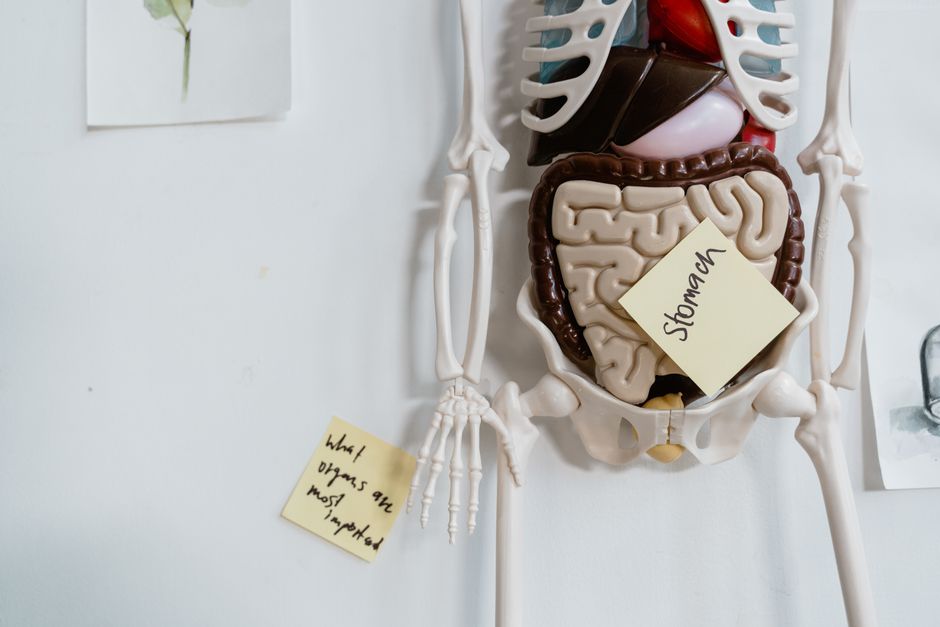
Takis are an extremely popular spicy corn snack, but they come with a serious reputation for causing stomach trouble. If you eat a bag, you may experience heartburn, stomach pain, or a sudden urge to use the bathroom. These effects are not just in your head; they are a direct result of the ingredients and how your digestive system reacts to them.
What Ingredients In Takis Cause Stomach Problems?
The main culprits are the three ingredients that make Takis taste so good: extreme spice, high acid content, and heavy fat. The flavoring on Takis is a combination of chili powder, citric acid, and lime juice. This mix is designed to trigger a strong sensory response, but it also triggers a strong reaction in your stomach lining.
Citric acid is a common food additive that gives the snack its tangy kick. It is also a known trigger for people with sensitive stomachs. When you eat a large amount of citric acid quickly, it increases the acidity of your stomach contents. This can lead to irritation of the stomach lining and the esophagus.
Why Do Takis Cause Heartburn And Acid Reflux?
Heartburn happens when stomach acid flows backward into the esophagus. The esophagus is not protected against acid like the stomach is. Eating a high-fat, high-acid food like Takis relaxes the lower esophageal sphincter, which is the muscle that keeps stomach contents where they belong.
When that muscle relaxes, acid can escape upward. The combination of spicy capsaicin and citric acid makes the reflux more intense. Capsaicin, the compound that makes chili peppers hot, can also directly irritate the esophagus. For someone who already has acid reflux or GERD, a single bag of Takis can cause symptoms that last for hours.
Can Takis Cause Stomach Pain And Cramping?
Yes. Stomach pain after eating Takis is common, and it usually comes from one of two mechanisms. The first is simple irritation. The stomach lining is designed to handle acid, but the intense artificial flavoring and chemical additives can overwhelm it. This can cause a burning sensation or a dull ache in the upper abdomen.
The second mechanism involves the fat content. Takis are fried corn snacks, which means they are dense in fat. High-fat foods slow down gastric emptying, meaning food stays in the stomach longer. This prolonged digestion time can lead to bloating, fullness, and cramping. The combination of slow digestion and high acidity is a recipe for discomfort.





Why Do Takis Make You Poop Or Cause Diarrhea?
Many people report that Takis act like a laxative. This is primarily due to the capsaicin in the chili powder. Capsaicin is a known irritant to the gastrointestinal tract. When it reaches the intestines, it speeds up bowel motility, which means food moves through your system faster than normal.
This rapid transit does not give the colon enough time to absorb water from the waste. The result is loose stools or diarrhea. For people with irritable bowel syndrome (IBS), Takis can be a major trigger. The combination of capsaicin, artificial colors, and high fat can cause an IBS flare-up that includes urgent bathroom trips and cramping.
The artificial colors in Takis, particularly Red 40 and Yellow 6, have also been reported to cause digestive distress in sensitive individuals. While the evidence linking these dyes to gastrointestinal symptoms is not as strong as the evidence for capsaicin, many people report a clear connection.
What Happens If You Eat Too Many Takis?
Eating an entire bag in one sitting is a common scenario, and it can lead to more severe symptoms. The stomach is suddenly flooded with acid, fat, and spice. This can trigger a bout of gastritis, which is inflammation of the stomach lining. Symptoms of gastritis include nausea, vomiting, and a feeling of fullness that lasts for hours.
In severe cases, the combination of high acid and capsaicin can cause vomiting. Vomiting after Takis is not rare, and it is the body’s way of expelling something it perceives as toxic. The vomit may be tinged with the red dye from the snack, which can be alarming but is not typically a sign of internal bleeding.
Repeatedly eating large amounts of Takis can also damage the stomach lining over time. Chronic irritation can lead to more frequent episodes of stomach pain and may increase the risk of developing gastritis or peptic ulcers in susceptible people. The evidence for this is based on the known effects of chronic acid and spice exposure on the stomach lining, though long-term studies on Takis specifically are lacking.
How Long Do Takis Stomach Symptoms Last?
For most people, the stomach discomfort from Takis lasts between 30 minutes and a few hours. The body will eventually process the capsaicin and the acid, and the stomach lining will recover. Drinking water and eating bland foods like bread or bananas can help speed up recovery.
However, if you have acid reflux, symptoms may last longer. The acid can remain in the esophagus for several hours after eating, especially if you lie down soon after. This is why it is recommended to stay upright for at least two to three hours after eating a high-acid, high-fat meal.
Diarrhea from Takis typically resolves within 24 hours. If you experience symptoms for more than 48 hours, or if you see blood in your stool, you should contact a healthcare provider. These symptoms are not typical of a simple snack reaction and may indicate a more serious issue.
Are Takis Worse Than Other Spicy Snacks?
Takis are not unique in their ability to cause stomach issues, but they are on the extreme end of the spectrum. They combine multiple triggers at high levels. Other hot chips, like Hot Cheetos, have a similar profile of fat, spice, and acid. However, Takis are often coated in a thicker layer of flavoring powder, which means more acid and spice per serving.
The level of capsaicin in Takis is not regulated, and it varies by batch. Some bags are noticeably hotter than others. This unpredictability makes it hard to gauge how your stomach will react from one bag to the next. If you are sensitive to spicy foods, it is best to assume each bag will cause a reaction.
Who Should Avoid Eating Takis?
People with gastroesophageal reflux disease (GERD) should avoid Takis entirely. The combination of acid and fat will almost certainly trigger a reflux episode. People with a history of gastritis or stomach ulcers should also avoid them, as the irritation can worsen these conditions.
People with IBS should approach Takis with extreme caution. The capsaicin and artificial ingredients are known triggers for IBS symptoms. Children are also at higher risk because their digestive systems are still developing, and they may not have the same tolerance for intense spice and acid that adults have built up.
If you have none of these conditions and you want to eat Takis, moderation is the key. Eating a small handful rather than a full bag will reduce the intensity of the stomach reaction. Drinking milk before or after eating can help neutralize some of the capsaicin, as dairy fat binds to the compound.
What Should You Do If Takis Hurt Your Stomach?
If you are already feeling the effects, there are a few things you can do to ease the discomfort. Drink plenty of plain water to help dilute the stomach acid. Avoid carbonated beverages, as they can add gas and increase bloating. Eat a small amount of bland food like plain crackers or rice to give your stomach something to absorb the acid.
Antacids like Tums or Maalox can help neutralize stomach acid and relieve heartburn. Over-the-counter H2 blockers like famotidine (Pepcid) can reduce acid production, but they take about 30 minutes to work. If you have severe pain, vomiting that does not stop, or signs of dehydration from diarrhea, seek medical attention.
Does Eating Takis Cause Long-Term Stomach Damage?
Eating Takis occasionally is unlikely to cause permanent damage. The stomach lining is resilient and can repair itself quickly. However, eating them frequently is a different story. Regular consumption of highly processed, high-acid, high-fat foods is linked to an increased risk of chronic gastritis and other digestive disorders.
The bigger concern with frequent Takis consumption is the overall nutritional impact. Takis are high in sodium, fat, and calories, and they offer almost no nutritional value. Replacing healthier foods with Takis regularly can lead to poor gut health over time. The stomach issues you feel after eating them are your body signaling that this food is hard to process.
Frequently Asked Questions
Can Takis cause stomach ulcers?
There is no direct evidence that Takis cause ulcers, but they can irritate an existing ulcer and make the pain worse. The high acid and spice content can also damage the stomach lining over time, which may increase ulcer risk in susceptible people.
Why do Takis burn my stomach?
The burning sensation comes from capsaicin, the active compound in chili peppers, which binds to pain receptors in your stomach lining. The citric acid in the flavoring adds to the irritation by increasing stomach acidity.
How long does diarrhea from Takis last?
Diarrhea from Takis usually resolves within 24 hours as the capsaicin passes through your system. If diarrhea lasts longer than 48 hours or is accompanied by severe cramping, contact a doctor.
Is it safe to eat Takis every day?
Eating Takis daily is not recommended because of the high fat, sodium, and acid content. Regular consumption can lead to chronic stomach irritation, acid reflux, and poor nutritional intake.
