
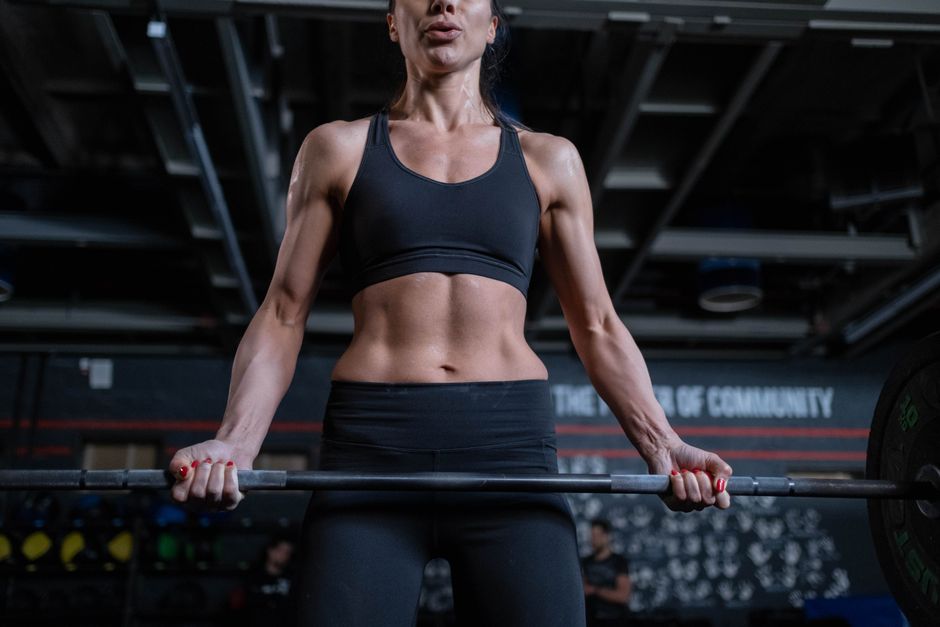
Shrugs work the upper back muscles that pull your shoulder blades up and back, mainly the upper trapezius and levator scapulae. They are a simple, low-equipment way to train those muscles. But they are not a complete shoulder or posture solution, and the evidence on whether they fix neck pain or posture is weaker than gym marketing suggests.
The shrug is one of the most common exercises in the gym and one of the most misunderstood. It looks simple. It is simple. That is exactly why people assume it must do more than it does.
What Muscles Do Shrugs Work?
The shrug is a shoulder blade elevation movement. When you lift your shoulders toward your ears, you are shortening the upper fibers of the trapezius and the levator scapulae. Those are the primary movers.
The upper trapezius runs from the base of your skull and neck down to your collarbone and shoulder blade. The levator scapulae connects the top of your neck to the upper corner of your shoulder blade. Both lift the shoulder blade upward — that is the motion you feel during a shrug.
Two other muscles assist the movement. The middle trapezius helps pull the shoulder blades together, and the rhomboids contribute to retraction. When you shrug with a dumbbell or bar, you also get some contribution from the gripping muscles and forearms, though those are not the target.
What the shrug does not meaningfully train is the lower trapezius. This matters because the lower trapezius helps stabilize and rotate the shoulder blade downward — the opposite of a shrug. Some clinicians and researchers argue that many people with shoulder or neck complaints have an imbalance between a strong upper trapezius and a weak lower trapezius. A shrug, done alone, trains the stronger side of that relationship.
What Do Shrugs Work For — Strength, Size, or Posture?
Shrugs reliably build strength and size in the upper trapezius. That part is not controversial. The muscle responds to load the same way other muscles do.
Posture is where the claims outrun the evidence. The idea that weak upper traps cause rounded shoulders or a forward head is a common gym explanation. It is also oversimplified. Posture is influenced by many factors, including joint structure, habitual positions, sleep, screen time, and general activity level. No large trial has shown that adding shrugs corrects posture on its own.
Neck pain is similar. Some clinicians recommend strengthening the upper back and shoulder blade muscles as part of a broader program for neck and shoulder discomfort. Shrugs can be part of that. But the evidence that shrugs specifically reduce neck pain is limited. Studies on neck exercise generally use multi-part programs, not a single movement.
One clarification worth making: a big upper trapezius is not inherently a problem. The muscle is not “too tight” in most people who feel tension there. Perceived tightness in the upper traps often reflects fatigue, sustained low-level contraction, or stress-related muscle guarding — not a shortened muscle that needs stretching. Strengthening it is not the enemy.
How Do You Do a Shrug With Good Form?
Good form is mostly about controlling the movement and not turning it into a neck exercise. The shoulder blades should move up and down. Your neck should stay still.
- Stand or sit tall with a dumbbell in each hand, arms hanging straight down.
- Lift your shoulders straight up toward your ears. Do not roll them.
- Pause briefly at the top.
- Lower slowly under control. The lowering phase is where much of the training effect happens.
- Keep your chin level. Do not jut your head forward as you lift.
Rolling the shoulders is a common habit. It is not dangerous, but it shifts the movement away from pure elevation and can irritate the shoulder joint in some people. Straight up and down is cleaner.
Load should be heavy enough that the last few repetitions feel challenging but not so heavy that you have to jerk or lean. If your neck starts to ache during the set, the weight is probably too heavy or you are pulling with your head instead of your shoulders.
Shrug Variations — Which Ones Actually Differ?
Most shrug variations train the same muscles. The differences are in range of motion, grip demand, and how much the bar or handle gets in the way.
| Variation | What Changes | Practical Note |
|---|---|---|
| Dumbbell shrug | Weights hang at your sides | Natural range of motion; easy to learn |
| Barbell shrug | Bar in front of thighs | Allows heavier loads; bar may limit how high shoulders rise |
| Cable shrug | Constant tension through the range | Useful for controlled reps at lighter loads |
| Trap bar shrug | Neutral grip, weight centered | Comfortable for many people; good for heavier work |
| Shrug machine | Fixed path, supported posture | Stable; less demand on balance and grip |
None of these is meaningfully superior for building the upper trapezius. Pick the one that lets you move through a full range with control and without neck discomfort. That is the whole decision.
Are Shrugs Safe, and Who Should Be Careful?
Shrugs are generally low-risk for healthy people. The movement is simple and the loads are usually moderate. Most injuries tied to shrugs come from excessive weight or from the neck taking over the lift.
Some people should approach shrugs with more caution or get medical guidance first:
- People with a history of neck pain or cervical spine issues.
- People with shoulder impingement symptoms, especially pain when lifting the arm overhead.
- People recovering from shoulder surgery or a rotator cuff injury.
- Anyone who feels sharp pain, numbness, or tingling during the movement.
Numbness or tingling that runs down the arm during a shrug is not normal muscle fatigue. It can point to nerve involvement in the neck or shoulder. Stop and get it checked rather than pushing through.
For most healthy adults, the main safety rule is simple: control the weight. A shrug you can lower slowly is worth more than a heavier one you drop.
Do You Need Shrugs in Your Program?
No. Shrugs are optional. Many effective strength programs never include them, and plenty of people build strong upper backs without direct trap work.
Whether shrugs earn a place in your routine depends on your goal. If you want a bigger or stronger upper trapezius, direct shrug work is one of the most efficient ways to train it. If your goal is general fitness, posture, or neck comfort, shrugs are one small piece of a much larger picture.
If you do include them, treat them like any other accessory movement. A few sets of controlled reps, placed after your main lifts, is a reasonable approach for most people. There is no strong evidence that high-volume shrug training produces better results than moderate volume.
If your real concern is posture or neck discomfort, the more useful conversation is about overall activity, sustained positions, and a balanced program that trains the lower trapezius and shoulder blade control alongside the upper traps. A shrug alone will not fix either issue, and no exercise should be sold to you as a cure for posture.
Frequently Asked Questions
What muscles do shrugs work?
Shrugs primarily work the upper trapezius and levator scapulae, the muscles that lift your shoulder blades. The middle trapezius and rhomboids assist.
Do shrugs help posture?
No strong evidence shows that shrugs alone correct posture. Posture is influenced by many factors, and a balanced program matters more than any single exercise.
How many sets of shrugs should I do?
No official guideline sets a number for shrugs. A few controlled sets after your main lifts is a common approach, but exact volume is not established by strong evidence.
Are shrugs bad for your neck?
Shrugs are not inherently bad for the neck when done with controlled weight. Heavy loads or letting your head jut forward can cause discomfort, and anyone with neck pain should get medical guidance first.
