
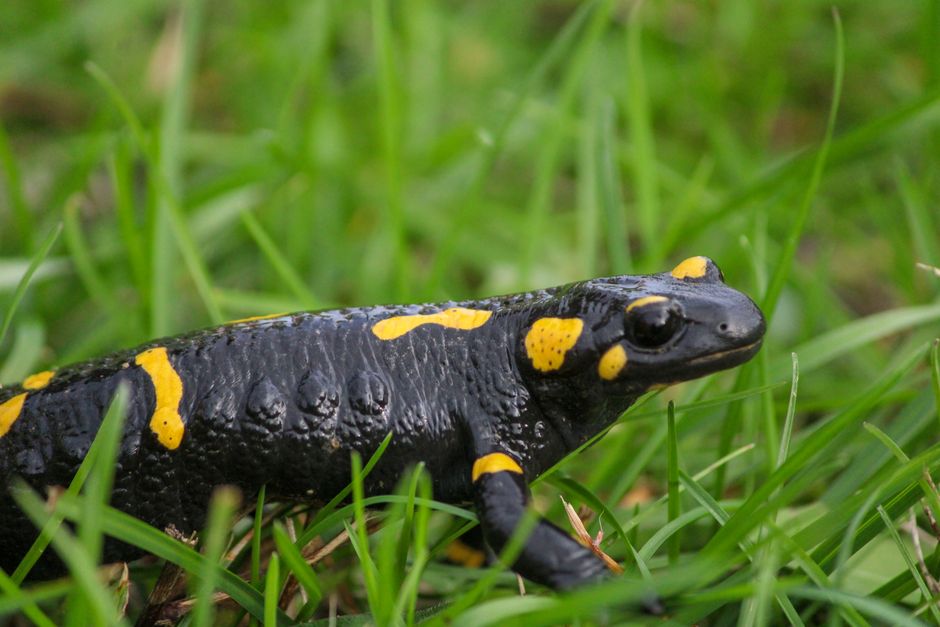
Salamanders are carnivores. From the moment they hatch, they eat living prey. In the wild, their diet is almost entirely made up of small invertebrates. In captivity, the goal is to mimic that natural diet as closely as possible using insects you can buy or raise at home. The specific foods differ based on whether the salamander lives on land or in water, and its size matters more than its species.
What Do Salamanders Eat in the Wild?
Wild salamanders are predators, not plant-eaters. They hunt by smell and movement. They will eat almost any small animal they can catch and swallow whole.
Their diet depends on their habitat. Aquatic salamanders hunt underwater. Terrestrial salamanders hunt in damp soil and under logs. The prey list is similar, but the hunting grounds differ.
Common wild prey includes:
- Earthworms and red wigglers
- Small insects like crickets and beetles
- Insect larvae, including mosquito larvae
- Spiders and mites
- Snails and slugs
- Small crustaceans like freshwater shrimp
- Other small amphibians, including smaller salamanders
Larger salamanders eat larger prey. A tiger salamander will eat a mouse if it can catch one. An adult hellbender, which grows over a foot long, eats crayfish and small fish. But most pet salamanders are small species that stick to worms and insects.
One important detail: salamanders do not chew. They have small teeth that grip prey, but they swallow food whole. This means prey size matters. If it cannot fit in their mouth, they will not eat it.
What Do Aquatic Salamanders Eat?
Aquatic salamanders live in water their whole lives or for most of it. Common pet species include axolotls and newts. These animals hunt underwater and have different feeding needs than land-dwelling species.
Axolotls eat a variety of protein-rich foods. In the wild, they eat small fish, worms, insect larvae, and crustaceans. In captivity, they do well on earthworms, bloodworms, and brine shrimp. Some owners feed small pieces of raw fish or shrimp, but whole prey is safer and more nutritious.
Newts are similar. Aquatic newts eat worms, insect larvae, and small aquatic insects. Some newt species are terrestrial as adults and switch to land-based prey like crickets and worms.
Aquatic salamanders have a slower metabolism than fish. They do not need daily feeding. Most adults eat two to three times per week. Overfeeding is a common mistake. It leads to obesity and poor water quality in the tank.
What Do Terrestrial Salamanders Eat?
Terrestrial salamanders live on land but need moisture. They are found under rocks, logs, and leaf litter. Common pet species include tiger salamanders and various woodland salamanders.
These salamanders eat land-based invertebrates. Earthworms are the staple of most captive diets. Crickets, mealworms, and waxworms work as variety. Small slugs and snails are natural prey, but they can carry parasites, so many owners avoid feeding wild-caught ones.
Terrestrial salamanders hunt by ambush. They wait for prey to come close, then strike. They do not chase food. This means food must be placed near them or moved to trigger their hunting response. Dead insects are often ignored unless they are wiggled in front of the salamander.





How Often Should You Feed a Captive Salamander?
Feeding frequency depends on age and size. Young salamanders grow quickly and need more food. Adults maintain weight on less.
Juvenile salamanders eat daily or every other day. They are growing and need the calories. Feed them small prey that they can swallow easily.
Adult salamanders eat two to three times per week. This applies to both aquatic and terrestrial species. A good rule: feed an amount roughly the size of the salamander’s head. That is about what they can eat in one feeding.
Signs of overfeeding include a thick tail and a round belly that does not flatten. Salamanders store fat in their tails. A tail wider than the body is a warning sign. Cut back on feeding frequency if you see this.
Signs of underfeeding include a thin tail and visible ribs. If the salamander seems lethargic or is losing weight, increase feeding frequency or prey size.
Best Foods for Captive Salamanders
Not all insects are equal as food. Some are nutritious. Some are mostly fat. Some are dangerous. Knowing the difference keeps your salamander healthy.
Earthworms are the best staple food for most salamanders. They are high in protein and moisture. Nightcrawlers work for large species. Red wigglers work for smaller ones. Cut large worms into pieces if needed.
Crickets are a good secondary food. They are widely available and easy to digest. Gut-load them before feeding. This means feeding the crickets nutritious food so the salamander gets those nutrients secondhand.
Black soldier fly larvae are growing in popularity. They have a good calcium-to-phosphorus ratio, which matters for bone health. They are small and work well for juvenile salamanders.
Bloodworms work for aquatic species. They are frozen or freeze-dried. Live bloodworms are also available. They are not a complete diet alone but work well as part of a rotation.
Mealworms and waxworms should be occasional treats. They are high in fat and low in other nutrients. Too many cause obesity. Waxworms are especially fatty. Use them sparingly.
One food to avoid: wild-caught insects. They may carry pesticides or parasites. A salamander from a pet store has no immunity to wild parasites. Store-bought insects are safer.
Do Salamanders Need Vitamins or Supplements?
This depends on the diet. A varied diet of gut-loaded insects and earthworms provides most nutrients. But calcium is a real concern.
Salamanders need calcium for bone health and muscle function. Insects are naturally low in calcium and high in phosphorus. This imbalance can cause metabolic bone disease over time.
Dusting insects with a calcium powder before feeding is common practice. The powder sticks to the insect’s body and gets eaten. Do this at most feedings. A vitamin supplement once or twice per week adds other trace nutrients.
Some owners skip supplements when feeding earthworms. Earthworms have a better calcium profile than insects. But they are not perfect. If you feed a single food type, supplements become more important.
No clinical guidelines exist for salamander supplementation. There is no official daily requirement published for these animals. The practice is based on experience with other reptiles and amphibians. It is widely recommended by veterinarians who treat exotic pets, but the exact amounts are not standardized.
Foods That Are Dangerous for Salamanders
Some foods are toxic or harmful. Never feed these to a salamander:
- Wild-caught insects that may carry pesticides
- Fireflies — they contain toxins that are lethal to amphibians
- Human food — processed meats, bread, or dairy
- Fish flakes or pellets made for fish — they lack the protein salamanders need
- Large prey that can injure the salamander
Fireflies are the most dangerous item on this list. The toxins in fireflies can kill a salamander within hours. This is well documented in the reptile and amphibian community. Never offer a firefly to any amphibian.
Another risk: prey that fights back. Large crickets can bite a small salamander. Mealworms have hard shells that are hard to digest in large amounts. Remove uneaten prey from the enclosure after a few hours. Crickets will bite a sleeping salamander and cause wounds that become infected.
How to Feed a Captive Salamander
Feeding methods depend on whether your salamander lives in water or on land. Each has its own challenges.
For terrestrial salamanders, place food directly in front of them. Use tweezers or forceps to offer a worm or cricket. Some salamanders learn to take food from tweezers quickly. Others prefer to hunt on their own. If you drop food in the enclosure, make sure it cannot escape. Crickets hide well and will stress the salamander by jumping on it at night.
For aquatic salamanders, drop food near their head. Axolotls sense movement in the water and will strike at anything that moves. Use tongs for larger prey like worms. For smaller food like bloodworms, use a turkey baster or syringe to target the food near the salamander’s mouth.
Do not handle your salamander during feeding. Their skin is delicate and absorbs chemicals. Oils from human hands can harm them. Use tools instead of hands whenever possible.
Frequently Asked Questions
Can salamanders eat fruits or vegetables?
No. Salamanders are carnivores and cannot digest plant matter. Their digestive systems are built for protein and animal tissue.
How long can a salamander go without eating?
Healthy adult salamanders can go one to two weeks without food. Juveniles need more regular feeding and should not go more than a few days.
Do salamanders eat dead insects?
Most salamanders will not eat dead prey. They hunt by movement and need live food to trigger their feeding response.
Can salamanders eat mealworms as a staple diet?
No. Mealworms are high in fat and low in essential nutrients. They should be an occasional treat, not the main food source.
