
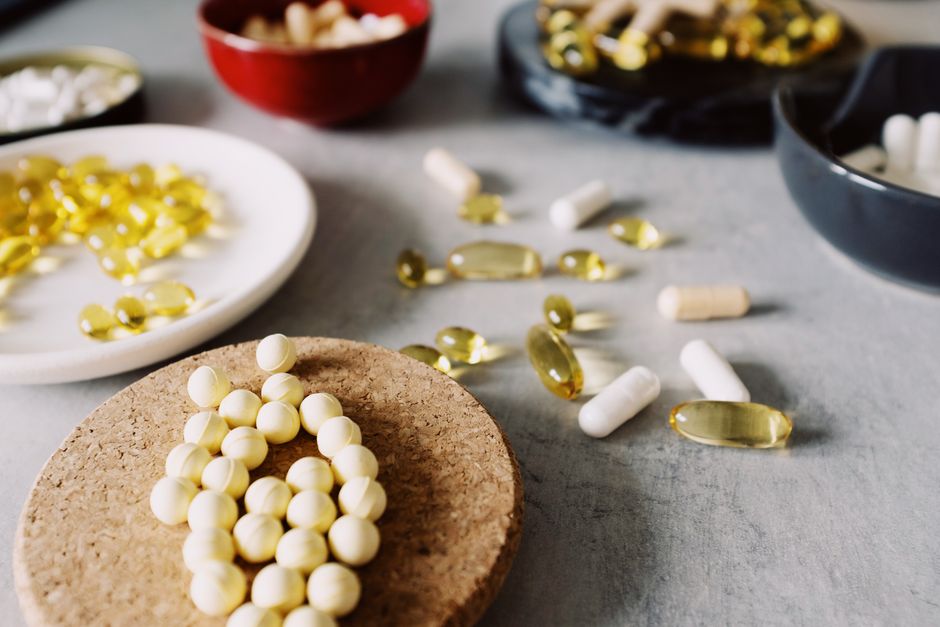
Your gut is not just a digestive tube. It is the largest immune organ in your body. A large share of your immune cells live in the tissue lining your intestines, and the trillions of bacteria living there help shape how those cells behave. Probiotics can support gut immunity in several specific ways: they compete with harmful microbes for space and nutrients, they strengthen the intestinal barrier, and they influence how immune cells signal to one another. The effects are real but modest, and they depend heavily on which strain you take and why.
What Do Probiotics Help With Gut Immunity More?
Probiotics help gut immunity through three main routes: crowding out harmful bacteria, tightening the gut lining, and tuning the immune response. Each route works through different mechanisms, and no single probiotic strain does all three equally well.
The first route is competition. Your gut has limited space and food. Beneficial bacteria that establish themselves can leave less room and fewer nutrients for pathogens. Some strains also produce substances — organic acids, hydrogen peroxide, small antimicrobial proteins called bacteriocins — that directly inhibit other microbes. This is one reason antibiotic-associated diarrhea responds to certain probiotics: the probiotic helps hold ground while the normal gut community recovers.
The second route is barrier support. The cells lining your intestine are joined by tight junctions, protein structures that control what passes between them. When those junctions loosen, bacteria and bacterial fragments can slip into tissue and trigger inflammation. Some probiotic strains have been shown to increase production of mucus and proteins that reinforce these junctions. This is a well-documented mechanism, though how much it matters in any given person is less clear.
The third route is immune signaling. Gut bacteria interact constantly with immune cells in the intestinal wall. Probiotics can shift the balance of signaling molecules — for example, influencing the ratio of pro-inflammatory to anti-inflammatory cytokines. Some strains increase secretory IgA, an antibody that helps neutralize toxins and pathogens at mucosal surfaces. These effects are measurable in laboratory and animal studies. Whether they translate into fewer infections or less inflammation in free-living adults varies widely across studies.
Does Gut Bacteria Really Control Your Immune System?
Gut bacteria do not control your immune system, but they are constant participants in it. The relationship is a two-way conversation, and removing the bacteria changes the conversation dramatically.
Animals raised in completely sterile conditions develop poorly formed immune tissue in the gut and show weaker immune responses. That is strong evidence that microbial exposure is required for normal immune development. In humans, the picture is more complex but consistent: the composition of the gut microbiome is associated with how the immune system behaves, and disruptions — antibiotics, severe illness, poor diet — are associated with immune changes.
What the evidence does not support is the idea that you can precisely “reset” immunity by swallowing a capsule. The microbiome is stable and resistant to change in healthy adults. Probiotics can transiently alter it, but most strains do not permanently colonize the gut. They pass through, exert effects while present, and decline after you stop. That does not make them useless — many effects happen during transit — but it does mean the marketing image of permanently rebuilding your inner ecosystem oversells what typically happens.
Which Probiotic Strains Have the Best Evidence for Immunity?
Evidence clusters around specific strains rather than the word “probiotic” in general. This matters because a product label that says “probiotic” tells you almost nothing about whether it will do anything.
The strongest human evidence for immune-related outcomes involves certain Lactobacillus and Bifidobacterium strains. Specific well-studied examples include Lactobacillus rhamnosus GG, Lactobacillus casei Shirota, and Bifidobacterium lactis BB-12. These have been tested in trials for outcomes such as antibiotic-associated diarrhea, respiratory infections in children, and markers of immune function.
For antibiotic-associated diarrhea, the evidence is reasonably strong for several strains, and clinical guidance in many settings supports their use alongside antibiotics. For reducing duration of common respiratory infections, some trials show modest benefit in children, while results in healthy adults are less consistent. For general “immune boosting” in people who are already well, the evidence is weak — no clinical evidence currently confirms that probiotics prevent infections in healthy adults across the board.
The strain name matters more than the genus. Lactobacillus rhamnosus GG and Lactobacillus rhamnosus GR-1 are different organisms with different evidence bases. A study of one does not automatically apply to the other.
How Do Probiotics Strengthen the Gut Barrier?
Probiotics support the gut barrier by promoting mucus production, reinforcing tight junctions, and competing with bacteria that damage the lining. The barrier is your first line of defense, and small changes in its integrity can matter.
The intestinal lining is a single layer of cells coated in mucus. That mucus layer keeps bacteria at a distance from the cells beneath. Some probiotic strains stimulate the cells to produce more mucin, the protein that makes up mucus. Others increase the expression of tight junction proteins like claudin and occludin. In laboratory models of barrier damage, certain strains reduce leakage across the cell layer.
There is an important limit here. Most of this mechanistic evidence comes from cell cultures and animal studies. Human trials measuring gut permeability directly are fewer and often small. The direction of effect is plausible and supported, but the size of the effect in a healthy person eating a normal diet is uncertain. If your barrier is already intact, there may be little to improve.
Do Probiotics Help With Gut Inflammation?
Probiotics can modestly reduce markers of gut inflammation in some conditions, but they are not a treatment for inflammatory bowel disease. The distinction between supporting normal immune function and treating disease is where most marketing goes wrong.
In conditions like ulcerative colitis and Crohn’s disease, the evidence is mixed and condition-specific. Some probiotic formulations have shown benefit in maintaining remission in certain types of ulcerative colitis, while results in Crohn’s disease have been less encouraging. This is an area where clinicians make individual decisions, and self-treatment with over-the-counter products is not a substitute for medical care.
For low-grade inflammation in otherwise healthy people — the kind associated with diet, stress, or aging — some studies suggest probiotics can shift inflammatory markers in a favorable direction. The effects are small and not consistently reproduced. The evidence is mixed, and no one should expect a probiotic to meaningfully change systemic inflammation on its own.
What Else Affects Gut Immunity Besides Probiotics?
Diet, sleep, stress, and medication use influence gut immunity more than any single supplement. Probiotics are a small lever next to these larger ones.
Fiber is the most direct way to feed beneficial gut bacteria. Your body cannot digest most fiber, but your gut bacteria can. Fermenting fiber produces short-chain fatty acids, particularly butyrate, which nourish the cells lining the colon and support immune regulation. A diet rich in vegetables, legumes, whole grains, and fruit does more for the gut ecosystem than most supplements. The evidence for fiber’s role in gut health is strong and consistent.
Antibiotics are the opposite: they disrupt the gut community, sometimes for months. That disruption is sometimes necessary, but it is a real cost. Sleep and chronic stress also affect immune signaling in the gut, though the mechanisms are complex and the size of effects in humans is difficult to pin down precisely.
Fermented foods — yogurt with live cultures, kefir, sauerkraut, kimchi — provide live microbes plus the fermented matrix they come in. Some research suggests fermented foods can increase microbiome diversity, though this is an active area of study and not yet a settled recommendation.
Are Probiotic Supplements Worth Taking for Immunity?
Probiotic supplements are worth considering for specific, well-defined purposes — not as a general immune insurance policy. The evidence supports targeted use more than routine use.
Reasonable situations include taking a specific, studied strain alongside antibiotics to reduce the risk of antibiotic-associated diarrhea, or using certain strains in children with recurrent respiratory infections under medical guidance. Outside those contexts, the case is weaker.
Quality control is a genuine problem. Supplements are not held to the same standards as drugs in the United States. What is on the label does not always match what is in the capsule — independent testing has repeatedly found discrepancies in strain identity and live count. Choosing products from manufacturers that publish third-party testing is a practical step, though it does not guarantee effectiveness.
Safety is generally good in healthy people, but it is not universal. People who are seriously ill, immunocompromised, have a central venous line, or are critically ill face a higher risk of infection from live organisms. For those groups, probiotics should only be used with medical supervision. This is not a theoretical concern — infections from probiotic strains have been documented in such patients.
Frequently Asked Questions
How long does it take for probiotics to affect gut immunity?
Some effects on gut bacteria and immune markers can appear within days to a few weeks of consistent use. Most clinical trials measure outcomes over several weeks, and benefits typically fade after you stop taking them.
Can probiotics prevent colds and infections?
Some studies suggest certain strains modestly reduce the duration or frequency of respiratory infections in children, but evidence in healthy adults is weak and inconsistent. No clinical evidence currently confirms that probiotics prevent infections broadly in well adults.
Do probiotics help with leaky gut?
Some strains have been shown to strengthen tight junctions and increase mucus production in laboratory and animal studies. Human evidence measuring gut permeability directly is limited, and the size of any effect in healthy people is uncertain.
Should I take probiotics while on antibiotics?
Certain studied strains, such as Lactobacillus rhamnosus GG, have reasonable evidence for reducing antibiotic-associated diarrhea when taken alongside antibiotics. Timing and strain choice matter, so it is worth asking your clinician which product and schedule fits your situation.
