
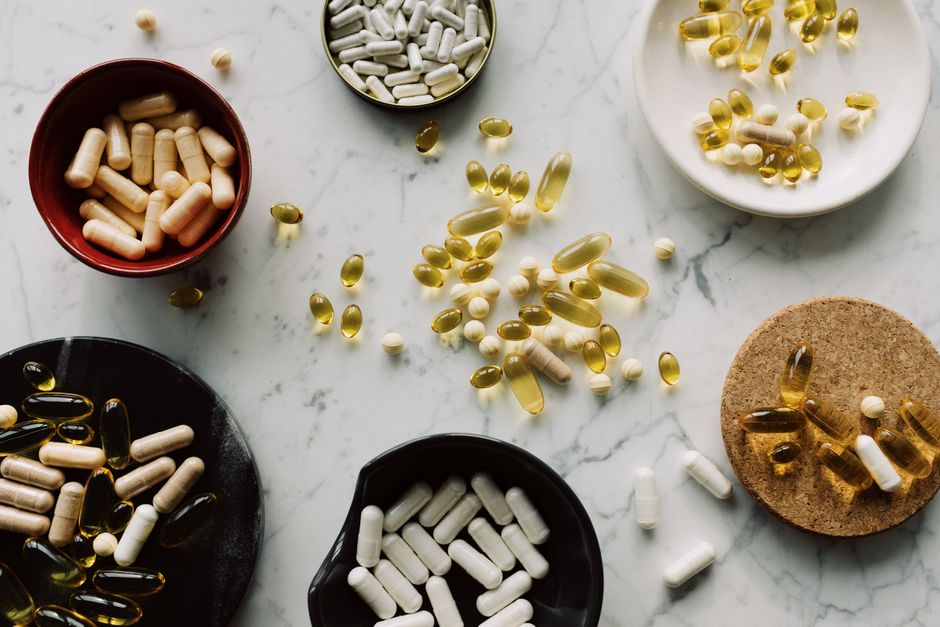
Probiotics are live microorganisms that, when taken in adequate amounts, can provide health benefits. Most people take them to support digestive health, but their effects reach beyond the gut. The science on probiotics is real but often oversimplified in marketing. Different strains do different things, and what works for one person may not work for another. Here is what the evidence actually shows.
What Do Probiotics Do in Your Body?
Probiotics work primarily by interacting with the trillions of microbes already living in your digestive tract. This community of bacteria, fungi, and viruses is called the gut microbiome. Your microbiome helps digest food, produces certain vitamins, and trains your immune system to tell friend from foe.
When you take a probiotic, the live bacteria travel through your stomach and into your intestines. They do not permanently replace your existing microbes. Instead, they temporarily influence the environment. They can crowd out harmful bacteria, produce substances that inhibit pathogen growth, and send signals to your immune cells.
The most studied benefits are in digestive health. Certain strains help manage diarrhea caused by antibiotics. Others reduce symptoms of irritable bowel syndrome. Some evidence supports their use for preventing antibiotic-associated diarrhea and reducing the severity of certain intestinal infections.
Beyond digestion, research is exploring effects on mood, skin, and immune function. The gut and brain communicate through the vagus nerve and chemical signals. Some studies suggest certain probiotics may influence this connection, but the evidence is early and not conclusive.
What Are the Different Types of Probiotics?
Probiotics are identified by their genus, species, and strain. This matters because benefits are strain-specific. A benefit found in one strain does not apply to all probiotics.
The most common genera are Lactobacillus, Bifidobacterium, and Saccharomyces (a beneficial yeast). Within each genus are many species, and within each species are many strains.
For example, Lactobacillus rhamnosus GG is one of the most studied strains. It has evidence for reducing the risk of antibiotic-associated diarrhea. Saccharomyces boulardii is a yeast probiotic with similar evidence. These are different organisms with different mechanisms, even though both help with diarrhea.
When you read a probiotic label, look for the full three-part name. A label that says “Lactobacillus” alone does not tell you which strain you are getting. Without the strain, you cannot know what benefit to expect.
Which Probiotic Strains Have the Strongest Evidence?
Some strains have more research behind them than others. This does not mean unstudied strains do not work. It means the evidence for them is not established.
For antibiotic-associated diarrhea, Lactobacillus rhamnosus GG and Saccharomyces boulardii have the most consistent evidence. Taking these alongside antibiotics may reduce the chance of developing diarrhea. You should take them a few hours apart from the antibiotic dose to avoid the antibiotic killing the probiotic bacteria.
For irritable bowel syndrome, certain Bifidobacterium strains and a combination product called VSL#3 have shown benefit in some trials. Symptoms like bloating and abdominal pain may improve. The effect is modest and not everyone responds.
For ulcerative colitis, VSL#3 has evidence for helping maintain remission. This is a specific medical condition, and you should discuss probiotic use with your gastroenterologist before starting.
For general immune support, some studies suggest certain Lactobacillus strains may reduce the duration of common respiratory infections. The effect is small, and the evidence is not strong enough to recommend a specific strain for this purpose.




How Do Probiotics Differ From Prebiotics?
Prebiotics are not live organisms. They are types of fiber that feed the beneficial bacteria already in your gut. Probiotics add new microbes. Prebiotics feed the ones you have.
Common prebiotics include inulin, fructooligosaccharides (FOS), and galactooligosaccharides (GOS). These are found naturally in foods like garlic, onions, bananas, oats, and asparagus. They are also added to some supplements and processed foods.
You can take them together. This combination is called a synbiotic. The theory is that the prebiotic provides food for the probiotic, helping it survive and thrive in your gut. Some products contain both, and some research suggests this combination may be more effective than either alone.
Eating a diet rich in diverse plant fibers is the most reliable way to support your gut microbiome. Fermented foods like yogurt, kefir, sauerkraut, and kimchi contain live microbes naturally. These foods offer a broader range of organisms than most supplements.
Do Probiotics Survive Stomach Acid?
This is a common concern. Your stomach produces strong acid designed to kill bacteria. Many probiotic organisms do not survive this journey well.
Manufacturers address this in several ways. Some use strains that are naturally acid-resistant. Others coat the capsules with enteric coatings that dissolve only after reaching the intestines. Some use microencapsulation technology to protect the bacteria.
Even with these protections, not all bacteria survive. This is why probiotic supplements contain high numbers of organisms, often in the billions. The goal is that enough survive to have an effect.
Taking probiotics with a meal may improve survival. Food buffers stomach acid and reduces the acidity level. Some research suggests taking probiotics with milk or yogurt improves their viability compared to taking them on an empty stomach.
Who Should Consider Taking Probiotics?
Healthy adults do not need probiotics. Your gut already contains a complex community of microbes that functions well without supplementation. Taking a probiotic when you are healthy is unlikely to cause harm, but it is also unlikely to provide noticeable benefit.
People who may benefit include those taking antibiotics, those with irritable bowel syndrome, and those with certain inflammatory bowel conditions under medical supervision. Travelers sometimes use probiotics to prevent traveler’s diarrhea, though the evidence is mixed.
Some research suggests probiotics may reduce the risk of necrotizing enterocolitis in premature infants, but this is a hospital setting with medical supervision. This is not something to attempt at home.
People with weakened immune systems, including those on chemotherapy, organ transplant recipients, or people with severe pancreatitis, should avoid probiotics unless their doctor approves. In rare cases, live bacteria from probiotics have caused serious infections in these populations.
What Are the Side Effects and Risks?
For healthy people, probiotics are generally well tolerated. The most common side effects are mild digestive symptoms like gas and bloating. These usually resolve within a few days as your gut adjusts.
These symptoms are more common in the first week of use. Starting with a lower dose and increasing gradually may help reduce them. If symptoms persist beyond a week or two, the probiotic may not be right for you.
Serious infections from probiotics are rare but documented. They occur almost exclusively in people with compromised immune systems or severe underlying illness. If you have a chronic condition or take immunosuppressive medications, talk to your doctor before starting a probiotic.
Quality control is another consideration. Probiotics are regulated as dietary supplements in the United States, not as drugs. This means they do not undergo the same pre-market testing for safety and effectiveness as medications. The product label may not accurately reflect what is in the bottle.
Choose products from reputable manufacturers that test their products for potency and purity. Some companies provide third-party certification. Look for products that list the specific strain, the number of live organisms at the time of expiration, and not just at the time of manufacture.
How Long Should You Take Probiotics?
Probiotics do not permanently colonize your gut. If you stop taking them, the beneficial effects typically fade within a few weeks. They are not a one-time fix.
For antibiotic-associated diarrhea, the evidence suggests taking probiotics for the duration of the antibiotic course and for a short period afterward, usually one to two weeks. This helps restore the gut flora disrupted by the antibiotic.
For ongoing conditions like irritable bowel syndrome, some people take probiotics continuously. The evidence does not clearly define an optimal duration. Some studies show benefit at eight weeks, others at twelve weeks or longer. If you do not notice improvement after four to six weeks, the specific product you are using may not be helpful for you.
The effects of probiotics are often modest. If you are taking them for a specific condition and see no change after several weeks, discuss with your healthcare provider whether continuing makes sense.
Can You Get Probiotics From Food Instead of Supplements?
Yes. Fermented foods are a natural source of live microbes. Yogurt, kefir, kombucha, sauerkraut, kimchi, and miso all contain live organisms.
Not all fermented foods contain probiotics. Pasteurization kills live bacteria. Many commercial products are pasteurized after fermentation to extend shelf life. Check the label for “live and active cultures” or “contains live cultures.”
Food sources offer a wider variety of organisms than most supplements. They also provide other nutrients like protein, calcium, and vitamins. For most people, getting probiotics from food is a reasonable and enjoyable approach.
The amount of live organisms in food is generally lower than in supplements. You may need to consume fermented foods regularly to see benefits. There is no established standard for how much you need.
Frequently Asked Questions
How long does it take for probiotics to work?
Most people notice digestive changes within one to two weeks of consistent use. For specific conditions like irritable bowel syndrome, benefits may take four to eight weeks to become noticeable.
Can you take probiotics every day?
Yes, daily use is safe for healthy adults. The effects fade within weeks of stopping, so consistency matters if you want ongoing benefit.
Do probiotics help with weight loss?
Some studies suggest certain strains may influence weight, but the effect is small and inconsistent. No probiotic has been proven to cause meaningful weight loss on its own.
Are probiotics safe during pregnancy?
Common probiotic strains appear safe during pregnancy, but research is limited. Talk to your obstetrician before starting any supplement while pregnant or breastfeeding.
