
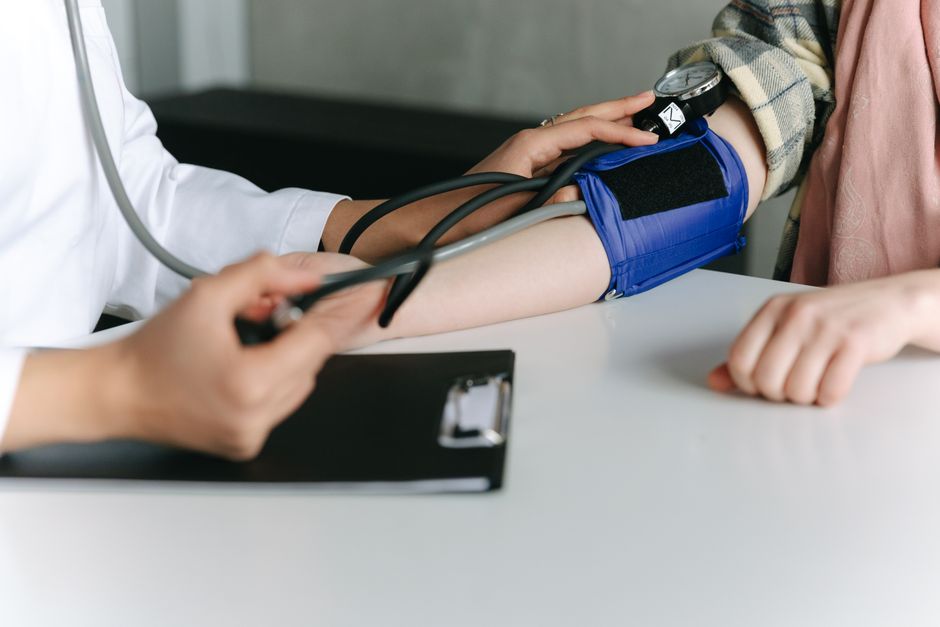
Your blood pressure reading is two numbers, and both of them matter. The top number is the pressure inside your arteries when your heart beats. The bottom number is the pressure between beats, while your heart is resting and refilling. Together they tell your doctor how hard your heart is working to move blood through your body.
Blood pressure is measured in millimeters of mercury, written as mmHg. A reading of 120/80 mmHg means a systolic pressure of 120 and a diastolic pressure of 80. For most adults, normal blood pressure is below 120/80 mmHg. Readings are grouped into categories that range from normal to severely high, and those categories guide treatment decisions.
Nearly half of American adults have high blood pressure, according to the Centers for Disease Control and Prevention. Many don’t know it because high blood pressure usually causes no symptoms. That is why it is called the silent killer — you can feel completely fine while damage builds in your heart, brain, kidneys, and blood vessels.
What Do the Top and Bottom Numbers Actually Measure?
The top number, called systolic pressure, measures the force of blood against your artery walls each time your heart contracts. The bottom number, called diastolic pressure, measures that same force when your heart relaxes between beats.
Systolic pressure tends to rise with age as arteries stiffen. Diastolic pressure often reflects the resistance in smaller blood vessels. For adults under 50, both numbers carry similar weight in predicting cardiovascular risk. After age 50, systolic pressure becomes the stronger predictor of heart disease and stroke.
This is why doctors pay close attention to systolic readings in older adults. A high systolic number with a normal diastolic number — say 150/80 — is still a concern. It is not a sign that everything is fine because the bottom number looks good.
What Are the Blood Pressure Categories?
The American College of Cardiology and the American Heart Association define these categories for adults. The table below shows how readings are classified.
| Category | Systolic (mmHg) | Diastolic (mmHg) | |
|---|---|---|---|
| Normal | Less than 120 | and | Less than 80 |
| Elevated | 120–129 | and | Less than 80 |
| Stage 1 Hypertension | 130–139 | or | 80–89 |
| Stage 2 Hypertension | 140 or higher | or | 90 or higher |
| Hypertensive Crisis | Higher than 180 | and/or | Higher than 120 |
Notice the word “or” in the hypertension categories. If either number falls into a higher category, you are classified in that higher category. A reading of 135/75 is Stage 1 hypertension because the systolic number is in that range, even though the diastolic number is normal.
A single high reading does not mean you have high blood pressure. Blood pressure fluctuates throughout the day. Stress, caffeine, exercise, and even talking during a measurement can raise it temporarily. Diagnosis typically requires multiple readings taken on separate occasions.
Why Does High Blood Pressure Cause Damage?
Persistent high pressure forces your heart to pump against greater resistance. Over time, the heart muscle thickens. A thickened heart is stiffer and less efficient, which can lead to heart failure. This process takes years, which is why high blood pressure is a long-term problem rather than an overnight one.
Arteries respond to constant high pressure by developing tiny tears in their inner lining. Cholesterol and other substances collect at these injury sites, forming plaque. This narrows the arteries and increases the risk of blockages that cause heart attacks and strokes.
The kidneys are especially vulnerable. They filter blood through millions of tiny vessels. High pressure damages these vessels, reducing the kidneys’ ability to filter waste. Kidney disease caused by high blood pressure is a leading cause of kidney failure in the United States.
The eyes can also be affected. The small blood vessels in the retina can narrow, leak, or bleed under sustained high pressure. An eye exam can sometimes reveal signs of high blood pressure before other complications appear.

What Is Considered Dangerously High?
A reading above 180/120 mmHg is a hypertensive crisis. If you get a reading this high, wait five minutes and test again. If it is still that high, seek emergency medical care immediately.
If you have a reading above 180/120 along with symptoms like chest pain, shortness of breath, back pain, numbness, weakness, vision changes, or difficulty speaking, call 911. These symptoms may indicate organ damage that requires emergency treatment.
There is also a condition called hypertensive urgency. This is when blood pressure is extremely high but there is no evidence of organ damage. It still requires prompt medical attention, but the approach differs from a true emergency. Doctors typically lower blood pressure more gradually in urgency situations to avoid sudden drops that can reduce blood flow to the brain and heart.
How Is Blood Pressure Measured Correctly?
How the measurement is taken matters as much as the number itself. Common mistakes can produce readings that are off by several points.
- Sit quietly for five minutes before the measurement
- Keep your back supported and feet flat on the floor
- Rest your arm on a flat surface at heart level
- Do not talk during the measurement
- Use the correct cuff size — too small a cuff reads high
- Empty your bladder beforehand
- Avoid caffeine, exercise, and smoking for at least 30 minutes before
The “white coat effect” is a well-documented phenomenon where blood pressure rises in a medical setting due to anxiety. Some people have the opposite problem — masked hypertension — where readings are normal at the doctor’s office but high at home. Home monitoring can help catch both situations.
When measuring at home, take two or three readings one minute apart, morning and evening. Record all results and bring them to your doctor. This gives a clearer picture than a single office reading.
What Do My Blood Pressure Numbers Mean for Treatment?
Treatment decisions depend on your specific numbers, your overall cardiovascular risk, and whether you have other conditions like diabetes or kidney disease. The categories provide a framework, but your doctor applies them to your full health picture.
For elevated blood pressure (120–129 systolic and below 80 diastolic), lifestyle changes are usually the first step. These include losing excess weight, eating a diet rich in fruits, vegetables, and whole grains, reducing sodium, increasing physical activity, and limiting alcohol. The DASH eating plan — Dietary Approaches to Stop Hypertension — has been studied extensively and is widely recommended by clinical guidelines.
For Stage 1 hypertension, guidelines suggest a conversation with your doctor about whether to start medication. If your risk of heart attack or stroke within the next 10 years is low and you have no other conditions, lifestyle changes alone may be tried first. If your risk is higher, medication is often recommended alongside lifestyle changes.
For Stage 2 hypertension, medication is generally recommended along with lifestyle changes. Most people need more than one medication to reach their target blood pressure. Finding the right combination can take time, and it is normal for your doctor to adjust doses or try different drugs.
Target blood pressure varies by person. For most adults with hypertension, a common goal is below 130/80 mmHg. For adults 65 and older, some guidelines allow a slightly higher target. Your doctor will set a goal based on your age, health conditions, and how well you tolerate treatment.
Can You Have High Blood Pressure Without Knowing It?
Yes. High blood pressure typically causes no symptoms until it has already caused significant damage. Headaches, nosebleeds, and feeling tense are not reliable signs of high blood pressure. Most people with hypertension feel completely normal.
This is why regular screening matters. The U.S. Preventive Services Task Force recommends screening for high blood pressure in adults with office blood pressure measurement, with confirmation outside the clinical setting before starting treatment. How often you need screening depends on your age, risk factors, and whether your previous readings were normal.
Certain factors raise your risk. These include being over age 55, having a family history of high blood pressure, being overweight or obese, not getting enough physical activity, eating a high-sodium diet, drinking too much alcohol, and having conditions like diabetes or sleep apnea. Some medications, including certain pain relievers, decongestants, and birth control pills, can also raise blood pressure.
Race and ethnicity also play a role. Black adults in the United States develop high blood pressure more often and at younger ages than white adults, and they tend to have higher average blood pressure levels. The reasons involve a mix of genetic, environmental, and social factors that researchers are still working to fully understand.
What About Low Blood Pressure?
Low blood pressure, called hypotension, is generally defined as below 90/60 mmHg. For some healthy people, especially athletes, low blood pressure is normal and causes no problems.
Low blood pressure becomes a concern when it causes symptoms. These include dizziness, fainting, blurred vision, fatigue, nausea, and difficulty concentrating. Symptoms typically occur when blood pressure drops suddenly or when the brain is not getting enough blood flow.
Common causes include dehydration, prolonged bed rest, certain medications, heart problems, endocrine disorders, and severe infections. Some people experience a drop in blood pressure after standing up quickly, a condition called orthostatic hypotension. It becomes more common with age.
If you have symptoms of low blood pressure, your doctor can help identify the cause. Treatment depends on what is driving the problem and may include adjusting medications, increasing fluid and salt intake, or wearing compression stockings.
Frequently Asked Questions
What is a normal blood pressure reading?
For most adults, normal blood pressure is below 120/80 mmHg. Readings between 120–129 systolic with diastolic below 80 are considered elevated.
Which number is more important, systolic or diastolic?
Both matter, but after age 50 the systolic number becomes the stronger predictor of heart disease and stroke risk. For younger adults, both numbers carry similar weight.
Should I worry about a single high blood pressure reading?
Not necessarily, because blood pressure naturally fluctuates throughout the day. Diagnosis requires multiple readings taken on separate occasions, and your doctor will confirm with repeat measurements.
When is high blood pressure a medical emergency?
A reading above 180/120 mmHg that remains high after five minutes of rest requires immediate medical attention. If it comes with symptoms like chest pain, shortness of breath, or vision changes, call 911.
