
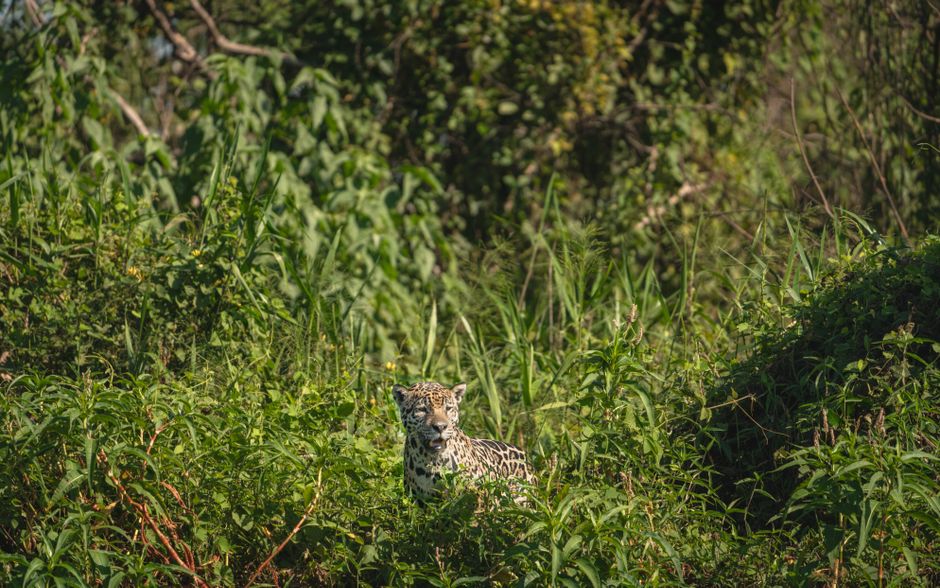
Jaguars are the largest cats in the Americas and the third-largest big cat species in the world, behind only tigers and lions. Unlike many other large predators, jaguars are not picky eaters. They are opportunistic hunters with a diet that includes more than 85 different species. A jaguar will eat almost anything it can catch, from a mouse to a full-grown caiman, making them one of the most adaptable apex predators on the planet.
What Do Jaguars Eat A Look At The Apex Predators Diet
Jaguars are strict carnivores, meaning they eat only meat. Their diet is incredibly diverse and varies depending on their habitat and what prey is available. The core of a jaguar’s diet in the wild typically consists of large prey like capybaras, peccaries, and deer. However, they are equally skilled at catching smaller animals, including birds, fish, turtles, and even snakes. This dietary flexibility is a major reason jaguars have survived across such a wide geographic range.
How Do Jaguars Hunt and Kill Their Prey?
Jaguars are ambush predators. They do not chase prey over long distances like cheetahs or wolves. Instead, they rely on stealth and explosive power. A jaguar will stalk its prey quietly through dense vegetation, using its spotted coat as camouflage, then launch a sudden, powerful attack.
What makes jaguars unique among big cats is their killing method. Most big cats, like lions and tigers, kill by biting the throat of their prey to suffocate it. Jaguars have an exceptionally powerful bite—the strongest of any big cat relative to their size. They typically kill by driving their canine teeth directly through the skull of their prey, piercing the brain. This bite can crush the shells of turtles and the thick hides of caimans, allowing jaguars to hunt armored prey that other predators cannot handle.
What Are the Main Prey Species in the Wild?
While jaguars eat a wide variety of animals, their diet is usually centered around a few staple species that provide enough meat to sustain their large bodies. In most habitats, the heaviest prey are the most important.
- Capybaras: The world’s largest rodent is a preferred meal for jaguars in wetland areas like the Pantanal in Brazil.
- Peccaries: These wild pigs are common throughout the jaguar’s range and form a major part of their diet in forested areas.
- Deer: Species like the white-tailed deer and marsh deer are frequently hunted.
- Caimans: Unlike most predators, jaguars actively hunt these reptiles, using their powerful bite to break through the caiman’s armored skin.
- Tapirs: These large, forest-dwelling mammals are a significant food source, especially in the Amazon, though their size makes them a challenging kill.
The availability of these species dictates where jaguars live. Conservation research consistently shows that jaguar populations are healthier in areas with a stable population of these large prey animals. When large prey is scarce, jaguars will switch to smaller animals, but this is less energy-efficient for them.





Do Jaguars Eat Fish, Turtles, and Snakes?
Yes. The jaguar’s ability to hunt aquatic and reptilian prey is one of its most distinctive traits. They are excellent swimmers and will readily enter rivers and lakes to hunt. This sets them apart from most other cats, which generally avoid water.
In riverine habitats, fish and turtles can make up a substantial portion of a jaguar’s diet. They use their paws to scoop fish out of the water, similar to how a bear might fish. Their powerful jaws allow them to crack open the shells of river turtles, a food source that is entirely inaccessible to other large cats in the region. They also hunt anacondas and other large snakes, often dragging them out of the water to kill them on land.
Do Jaguars Eat Livestock and Other Domestic Animals?
Yes, and this is one of the biggest challenges for jaguar conservation. As human settlements expand into jaguar territory, their natural prey becomes scarcer. In these situations, jaguars may prey on cattle, goats, sheep, and other livestock.
This behavior often leads to conflict with ranchers. When a jaguar kills livestock, ranchers may retaliate by killing the jaguar. This conflict is a leading cause of jaguar population decline in many areas. Conservation groups work with local communities to build predator-proof enclosures and compensate ranchers for lost livestock to reduce these conflicts. It is important to understand that a jaguar killing livestock is not a sign of a “bad” animal; it is a survival response to habitat loss and a lack of natural prey.
How Much Do Jaguars Eat in a Single Meal?
Jaguars are large animals, with males weighing anywhere from 125 to 210 pounds, and some reaching over 300 pounds in the Pantanal. Their size demands a significant amount of food. A jaguar will typically consume between 4.5 and 5.5 pounds of meat in a single feeding session.
Unlike some predators that eat daily, jaguars do not feed every day. After killing a large animal like a deer or a caiman, a jaguar will eat its fill and then drag the carcass to a hidden spot, often under dense brush or a fallen log. They will return to the carcass over the next several days to feed until it is fully consumed. In many cases, a jaguar may only need to make a successful kill every two to three days. A single large kill can sustain a jaguar for nearly a week, depending on its size and the ambient temperature.
What Eats a Jaguar?
Adult jaguars are apex predators, meaning they sit at the very top of the food chain in their ecosystem. They have no natural predators in the wild. No animal hunts an adult jaguar for food. Their size, strength, and bite force make them virtually untouchable by other carnivores.
The only real threat to an adult jaguar is another jaguar. Territorial disputes between males can be violent and sometimes fatal. However, the situation is different for cubs. Young jaguars are vulnerable to predation from other large carnivores, including adult male jaguars (which may kill cubs to bring their mother back into heat), anacondas, and large caimans. Most jaguar cubs do not survive to adulthood, but those that do reach maturity face no threats from other wild animals.
How Does the Jaguar Diet Compare to Other Big Cats?
Understanding how jaguars eat helps clarify their ecological role compared to other big cats. While all big cats are carnivores, their hunting strategies and prey preferences differ greatly.
| Species | Primary Hunting Method | Typical Prey | Distinctive Trait |
|---|---|---|---|
| Jaguar | Ambush | Capybaras, caimans, deer, peccaries | Bites through skull; hunts aquatic prey |
| Lion | Group hunting | Zebras, wildebeest, buffalo | Hunts in social prides |
| Tiger | Ambush | Deer, wild boar, water buffalo | Largest big cat; powerful swimmers |
| Leopard | Ambush | Antelope, monkeys, small mammals | Hoists prey into trees |
This comparison shows that the jaguar’s diet is uniquely broad. Unlike lions or tigers that focus on ungulates (hoofed mammals), jaguars regularly take reptiles and fish. This broad diet allows them to survive in more diverse habitats than any other large cat in the Americas.
Frequently Asked Questions
Do jaguars eat monkeys?
Yes, jaguars occasionally eat monkeys, but it is not a primary food source. Monkeys are agile and live in trees, which makes them harder to catch than ground-dwelling prey like capybaras or deer.
Are jaguars cannibals?
Yes, jaguars are known to kill and eat other jaguars in rare cases. This most often occurs when a male kills a rival male or when a dominant male kills cubs, though this is not a common behavior.
Can a jaguar kill a human?
Fatal attacks on humans are extremely rare but have been documented. Attacks usually occur when a jaguar is cornered, injured, or defending its cubs, rather than actively hunting humans as prey.
How long can a jaguar go without eating?
A jaguar can typically go for several days without eating after a large meal. They may go a week or more between kills, depending on the size of their last meal and the availability of prey.
