
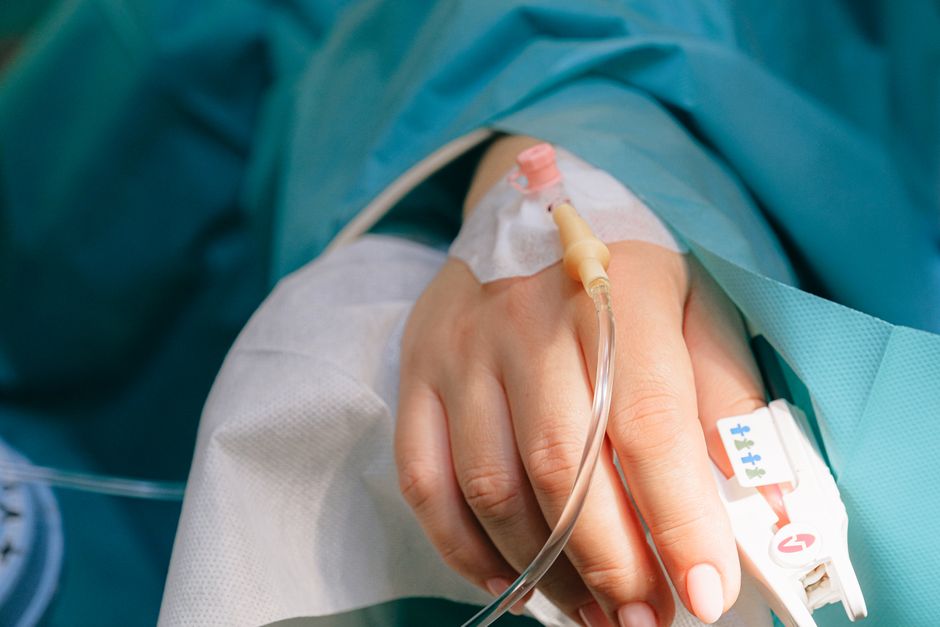
An IV, or intravenous line, delivers fluid and medication directly into a vein so it enters the bloodstream without first passing through the digestive system. That route makes absorption fast and predictable, which is why IV therapy is standard in hospitals for hydration, antibiotics, pain control, and emergency treatment. It is also why the growing market of walk-in “IV drip bars” deserves a closer, more skeptical look than the marketing suggests.
What Do IVs Do and How Does Intravenous Therapy Work?
An IV gives the body fluids, nutrients, or drugs through a small tube placed in a vein, bypassing the stomach and intestines entirely.
When you swallow something, it has to be broken down and absorbed through the gut wall before it reaches your blood. That process takes time and varies from person to person. An IV skips that step. Whatever is in the bag enters the circulation directly, which is why the effects can begin within minutes.
The basic setup has three parts. A thin plastic tube called a catheter sits inside the vein. Tubing connects it to a bag or pump. A fluid source hangs above or is pushed by a mechanical pump. Gravity or the pump controls how fast the fluid drips in.
Most IVs placed in a hospital go into a vein in the forearm or hand. For longer treatment, a larger catheter may be threaded into a central vein near the heart. That decision is made by clinicians based on what is being given and for how long.
What Kinds of IV Therapy Are There?
IV therapy is not one thing. It covers a wide range of treatments that share a delivery method but serve very different purposes.
- Fluids for hydration. Saline or balanced salt solutions replace water and electrolytes lost to illness, surgery, or inability to drink.
- Medications. Antibiotics, pain relievers, anti-nausea drugs, and many others can be given IV when speed or reliability matters.
- Blood products. Transfusions of red cells, plasma, or platelets are given through IV lines.
- Nutrition. Total parenteral nutrition delivers complete nutrition into a vein when the gut cannot be used.
- Diagnostic contrast. Dyes used in certain scans are often injected IV.
The common thread is a clinical need for fast, controlled, or reliable delivery. That need is what separates hospital IV therapy from the elective drips sold at retail clinics.
How Is an IV Actually Placed?
A trained clinician cleans the skin, finds a suitable vein, and inserts a small needle that guides a soft plastic catheter into place. The needle is then withdrawn, leaving only the flexible catheter behind.
A brief pinch or sting is typical. Once the catheter is in and secured with tape or a clear dressing, most people feel little or nothing from it. The line is flushed and checked to confirm it sits properly in the vein.
Placement usually takes a few minutes. Finding a vein can be harder for people who are dehydrated, have thin veins, or have had many IVs before. In those cases a clinician may use warmth, a tourniquet, or ultrasound guidance to locate a good spot.
After placement, the site is monitored for swelling, redness, or pain, which can signal that fluid is leaking into surrounding tissue rather than staying in the vein. That is one reason IV sites are checked regularly in clinical settings.
Why Are IVs Used Instead of Pills or Drinks?
IV delivery is chosen when the oral route is too slow, too unreliable, or not possible at all.
A person who is vomiting cannot keep down fluids or pills. Someone undergoing surgery may need to have an empty stomach. A patient in an emergency may need a drug to act within seconds. In each case, the vein is the practical route.
IV delivery also allows precise control. A pump can deliver an exact amount over an exact time. That matters for drugs where the dose and timing are tightly linked to safety and effect.
The tradeoff is that IV therapy is not risk-free. Any time the skin barrier is broken and a foreign object enters a vein, there is a chance of infection, irritation, or other complications. That is why IVs are used when the benefit clearly outweighs those risks, not simply because the route is faster.
What Are the Risks and Side Effects of IV Therapy?
IV therapy carries real risks, and they apply to hospital treatment and cosmetic drips alike.
Common problems include bruising or bleeding at the insertion site, mild pain, and irritation of the vein, sometimes called phlebitis. Fluid can leak into the tissue around the vein, causing swelling and discomfort.
More serious risks include infection at the site or in the bloodstream, which is why sterile technique matters. Air entering the line, allergic reactions to a drug or ingredient, and fluid overload are also possible, particularly in people with heart or kidney conditions.
Some ingredients carry their own risks. High doses of certain vitamins or minerals given IV can cause harm, and the safety margins differ from those of the same substances taken by mouth. The body handles an IV dose very differently than a swallowed one.
These risks are manageable in a clinical setting with trained staff and monitoring. They are harder to manage in a retail setting where the person receiving the drip may have unknown health conditions.
Are IV Drip Bars and Vitamin IVs Worth It?
No strong clinical evidence shows that routine vitamin IV drips benefit healthy people who are not deficient. The marketing often runs ahead of the science.
The pitch usually centers on hydration, energy, immunity, or recovery. For a person who can eat and drink normally, the body already regulates its fluid and nutrient levels. A bag of saline and vitamins does not correct a problem that is not there.
Some claims rest on the idea that IV vitamins reach cells better than oral ones. It is true that IV delivery produces higher blood levels of a nutrient. Higher blood levels, however, are not the same as a health benefit. That distinction is where much of the marketing blurs.
There are also practical concerns. These clinics often operate with less oversight than hospitals. Staff may not have full access to a person’s medical history. Underlying kidney or heart disease can make a fluid load risky, and that may not be caught.
There is one area where IV fluids genuinely help: treating dehydration from illness or heat. But for most healthy adults, drinking water does the same job. Some clinicians use IV therapy in specific recovery contexts, but that is a clinical judgment, not a general wellness recommendation.
When Is IV Therapy Clearly Necessary?
IV therapy is essential in many medical situations. Its value there is well established and not in question.
It is used to resuscitate people in shock, to deliver antibiotics in serious infections, to give chemotherapy, to support patients who cannot eat, and to provide pain relief during and after surgery. Emergency departments rely on IV access because it provides a fast, dependable route when every minute counts.
The dividing line is need. When a person cannot take fluids or medication by mouth, or when speed and precision are critical, IV therapy is the right tool. When a person is well hydrated and well nourished, the same tool adds risk without a clear benefit.
That is the honest way to think about it. IV therapy is a powerful medical technique, not a wellness product. It works best when there is a specific problem to solve.
Frequently Asked Questions
How long does an IV take to work?
Fluids and drugs given by IV can start affecting the body within minutes because they enter the bloodstream directly. The exact timing depends on what is being given and how fast it is delivered.
Is getting an IV drip safe?
IV therapy is generally safe when placed and monitored by trained clinicians for a clear medical reason. Risks like infection, vein irritation, and fluid overload are real, and they are higher when the drip is given without a proper medical assessment.
Can I just drink water instead of getting IV fluids?
For most healthy adults who can swallow normally, drinking water rehydrates the body effectively. IV fluids are used when a person cannot drink, cannot keep fluids down, or needs rapid replacement.
Do vitamin IV drips actually boost energy or immunity?
No strong clinical evidence shows that vitamin IV drips improve energy or immunity in people who are not deficient. Any benefit for a well-nourished person is not supported by reliable research.
