
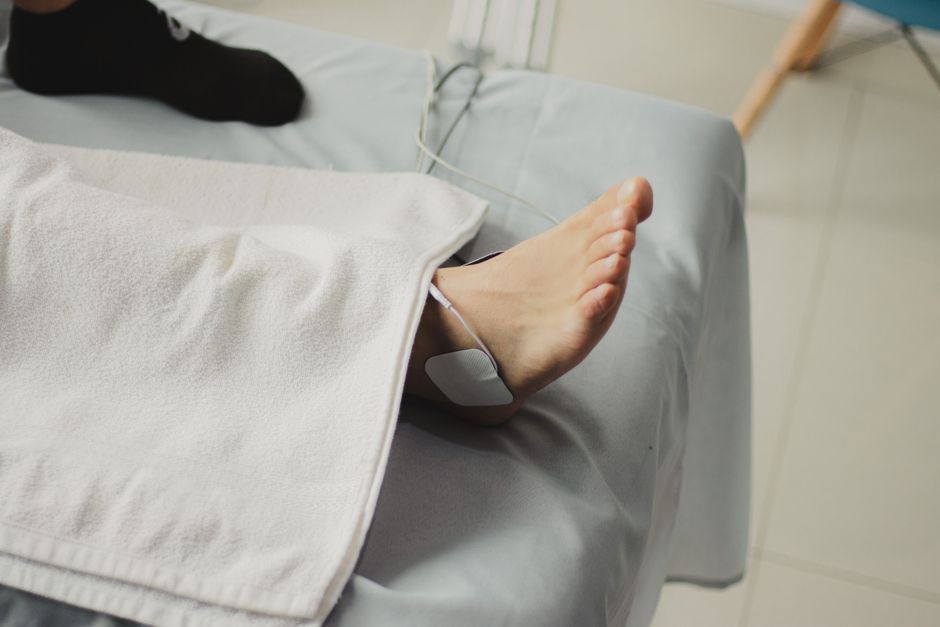
Sciatica is pain that travels along the path of the sciatic nerve, which runs from your lower back through your hips and buttocks and down each leg. For most people, the first step is to stay active and use simple pain relief, not to stay in bed. Most cases improve within a few weeks with home care, but certain symptoms require prompt medical attention.
What is Sciatica and What Causes It?
Sciatica is a symptom, not a diagnosis. It describes the pain that happens when something presses on or irritates the sciatic nerve. The nerve is the longest and widest in the body, and it controls many muscles in your lower legs.
The most common cause is a herniated disc in the lumbar spine. The soft center of a spinal disc pushes through a crack in the tougher exterior and irritates the nerve root. Other causes include bone spurs from spinal stenosis, spondylolisthesis, or in rare cases, a tumor or infection.
The pain is often described as sharp, burning, or electric. It usually affects only one side of the body. You might also feel numbness, tingling, or weakness in the leg or foot. The pain can range from a mild ache to a severe, disabling sensation.
It is important to note that not all leg pain is sciatica. Hip problems, such as bursitis, can cause pain in similar areas. A doctor can help distinguish between these conditions with a physical exam and, if needed, imaging tests.
What Do For Sciatica: Immediate Steps to Take
When the pain starts, the instinct might be to lie down and not move. That is usually the wrong approach. Research consistently shows that bed rest is not helpful for sciatica and can actually make recovery slower.
Stay as active as you can. This does not mean running a marathon. It means doing your normal daily activities while avoiding movements that worsen the pain. Gentle walking, for example, is often well tolerated and helps keep your back muscles from weakening.
Over-the-counter pain relievers are a reasonable first option. Nonsteroidal anti-inflammatory drugs (NSAIDs) like ibuprofen or naproxen can reduce inflammation and ease discomfort. Acetaminophen is another option, though it does not reduce inflammation. Always follow the dosing instructions on the label and check with a pharmacist or doctor if you have other health conditions or take other medications.
Applying heat or cold can also help. Some people find cold packs reduce acute pain in the first couple of days. Others prefer heat to relax tense muscles. There is no strong evidence that one is better than the other, so use whichever feels better to you. Never apply ice or heat directly to the skin—wrap it in a towel and limit sessions to about 15 to 20 minutes.
When to See a Doctor for Sciatica
Most cases of sciatica resolve on their own within 4 to 6 weeks. However, you should see a doctor right away if you have any of the following symptoms:
- Pain that follows a severe injury or accident
- Sudden loss of bladder or bowel control
- Numbness in the groin or genital area
- Weakness that gets progressively worse in the leg or foot
These symptoms can indicate cauda equina syndrome, a rare but serious condition that requires emergency surgery to prevent permanent damage.
You should also make an appointment with your doctor if the pain lasts longer than a few weeks, if it is severe, or if it is getting worse despite home care. Unexplained weight loss, fever, or pain that is worse at night are also reasons to seek medical evaluation.




Physical Therapy and Exercise for Sciatica
Physical therapy is one of the most effective treatments for sciatica. A physical therapist can teach you specific exercises to strengthen your core muscles and improve flexibility. Strong core muscles support your spine and reduce pressure on the nerve.
Exercise is not just for recovery—it is also a key part of prevention. A regular routine that includes walking, swimming, or cycling can keep your back healthy. Stretching exercises for the hamstrings and lower back may also help reduce tension.
Some research suggests that certain exercises, such as the McKenzie method, are effective for some people. This approach involves specific extension exercises that can centralize or reduce pain. However, the evidence is mixed, and what works for one person may not work for another.
Working with a professional ensures you are doing the right exercises with proper form. Doing the wrong exercises, or doing them incorrectly, can make the pain worse.
Medical Treatments for Sciatica
If home care and physical therapy are not enough, your doctor may recommend other treatments. Prescription medications are a common next step. These may include muscle relaxants, nerve pain medications like gabapentin, or stronger pain relievers. These are typically used for short periods.
Epidural steroid injections are another option. A doctor injects a corticosteroid medication into the space around the spinal nerve roots. The goal is to reduce inflammation and provide pain relief. The effect is temporary for many people, lasting from weeks to months, and is not a permanent fix.
Surgery is reserved for specific situations. It is considered when severe weakness develops, when there is loss of bowel or bladder control, or when pain does not improve after 6 to 12 weeks of conservative treatment. The most common procedure is a microdiscectomy, where the surgeon removes the part of the disc that is pressing on the nerve.
Most people with sciatica do not need surgery. Studies show that for many, surgical and non-surgical treatments lead to similar outcomes after a year or two. Surgery tends to provide faster relief in the short term for some people, but the long-term results are often comparable.
Alternative and Complementary Approaches
Many people try chiropractic care, acupuncture, or massage for sciatica. The evidence for these approaches is limited and mixed.
Spinal manipulation performed by a chiropractor or osteopath may provide short-term relief for some people. However, it is not appropriate for everyone, especially if you have certain spinal conditions. No large human trials have confirmed that it is a definitive cure for sciatica.
Acupuncture involves inserting thin needles into specific points on the body. Some studies suggest it may help with lower back pain, but the evidence specifically for sciatica is not strong. Similarly, massage therapy can help relax muscles but does not address the underlying nerve compression.
If you choose to try these approaches, treat them as complementary to standard care, not as replacements. Always inform your primary care doctor about any other treatments you are using.
Preventing Future Episodes of Sciatica
Once the acute pain subsides, focus on preventing recurrence. The same habits that help recovery also help prevention.
Maintain good posture when sitting and standing. Use a chair with good lower back support, and take breaks to stand and stretch if you sit for long periods. When lifting heavy objects, bend at the knees and keep your back straight. Do not twist your body while lifting.
Regular exercise is the most important preventive measure. Aim for a mix of aerobic activity, strength training, and flexibility work. Strong abdominal and back muscles act as a natural brace for your spine.
Maintaining a healthy weight also reduces stress on your spine. Excess weight, particularly around the abdomen, shifts your center of gravity and increases the load on your lower back.
Frequently Asked Questions
How long does sciatica usually last?
Most episodes of sciatica improve within 4 to 6 weeks with conservative care. If pain persists beyond that or worsens, see a doctor for further evaluation.
Is walking good for sciatica?
Yes, gentle walking is generally safe and beneficial for sciatica. It promotes blood flow and keeps muscles active, but stop if it significantly increases your pain.
Can sciatica go away on its own?
Yes, many cases of sciatica resolve without medical treatment. Staying active and using over-the-counter pain relief is often enough while the body heals.
What is the fastest way to relieve sciatica pain?
There is no single fastest method, but a combination of gentle movement, over-the-counter anti-inflammatory medication, and alternating heat or cold is the standard first approach. If this does not help within a few days, contact a healthcare provider.
