
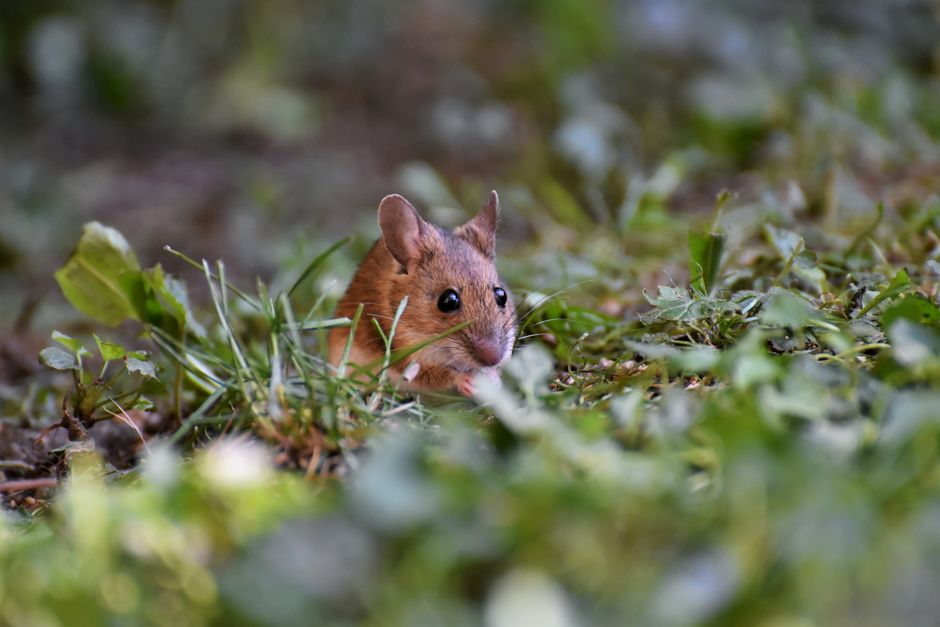
Field mice eat seeds, grains, nuts, berries, green plant material, and insects. They are opportunistic omnivores that eat what is available in their habitat, and their diet shifts with the seasons. In spring and summer they eat more fresh plant matter and insects. In autumn and winter they rely heavily on seeds and stored food.
The term “field mouse” is not one species. It is a loose label that covers several small rodents, including deer mice, white-footed mice, and various voles. Their diets overlap a lot, but they are not identical. Understanding what they actually eat matters for anyone dealing with mice in a garden, shed, or rural home, and it matters for understanding how these animals fit into the food web around them.
What Do Field Mice Eat In The Wild?
In the wild, field mice eat a mixed diet built mostly from plants, with insects and other small animals filling in the gaps. Seeds and grains form the backbone of that diet for most species. Grass seeds, weed seeds, tree seeds, and agricultural grains are all on the menu.
Beyond seeds, field mice eat:
- Green leaves, stems, and shoots
- Roots and tubers
- Berries and other soft fruit
- Nuts and acorns
- Bark and twigs, especially in winter
- Insects, worms, and other invertebrates
- Fungi, including some mushrooms
The balance changes with what is available. A mouse living at the edge of a grain field will eat mostly grain. One living in a meadow will eat more grass, seeds, and insects. This flexibility is a big part of why these animals survive in so many different places.
One point worth clarifying: field mice are not strict plant-eaters. Many species eat insects and other invertebrates regularly, particularly in warmer months when insects are plentiful. Some species also eat carrion or the eggs of ground-nesting birds when they come across them, though this is not a major part of most diets.
How Does a Field Mouse’s Diet Change With the Seasons?
A field mouse’s diet changes through the year because what is available changes. Food that is easy to find in July may be gone by January.
In spring, fresh growth gives mice access to shoots, young leaves, and early seeds. Insects become available again after winter, and many species take advantage of that protein source. In summer, the range widens. Seeds are ripening, fruit is appearing, and insect numbers peak. This is the easiest time of year for a field mouse to find food.
Autumn is when mice shift toward storing food. Seeds, nuts, and grains are abundant, and many species begin caching food in burrows or under cover. This stored food carries them through the lean months. In winter, the diet narrows sharply. Mice rely on stored seeds, bark, twigs, dried plant matter, and whatever roots they can reach. Insects are largely gone. Some species will eat food left out by people or scavenge around buildings during this period.
This seasonal shift is one reason field mice can become a nuisance in autumn. When natural food starts to run low and temperatures drop, mice move toward sheds, garages, and homes looking for warmth and something to eat.
Do Field Mice Eat Insects and Meat?
Yes, many field mice eat insects, and some will eat other animal matter when they find it. Insects are a real part of the diet for many species, not a rare exception. Grubs, beetles, caterpillars, worms, and other small invertebrates all get eaten.
This matters for a few reasons. Insects provide protein and fat that seeds alone may not fully supply, especially during breeding season when energy demands are higher. Some research also suggests that certain mouse species help control insect populations in the areas where they live, though this varies by species and habitat.
The meat-eating side of the diet is smaller and less consistent. Some field mice will eat carrion or scavenge animal remains. Some will take bird eggs or nestlings if they come across them. But this is opportunistic feeding, not a core part of the diet for most species. Calling field mice “omnivores” is accurate. Calling them predators would overstate it.
What Do Field Mice Eat That Surprises People?
Field mice eat more than most people expect. Bark and twigs are a good example. In winter, when other food is scarce, mice will strip bark from young trees and shrubs. This can do real damage to orchards and saplings, and it is a common reason growers protect young trees with guards.
Fungi are another one. Some field mice eat mushrooms and other fungi, and a few species are known to eat fungi that would be toxic to humans. The mice are not harmed by these compounds, though the details vary by species and are still being studied.
Some field mice also eat their own droppings. This sounds strange but is common in rodents. It allows them to extract nutrients that were not fully digested the first time, particularly certain vitamins produced by gut bacteria. It is a normal part of rodent digestion, not a sign of illness.
Another point that surprises people: field mice drink very little water compared with what you might expect. Many species get most of the moisture they need from their food, especially from green plants and insects. They will drink when water is available, but they do not depend on it the way larger animals do.
How Do Field Mice Find and Store Food?
Field mice find food mainly through smell and by exploring familiar routes. They are creatures of habit. A mouse that finds a good food source will return to it repeatedly, often following the same paths along walls, fence lines, or vegetation edges.
Many species store food for later. This behavior is called caching. Mice carry seeds, nuts, and grains back to a burrow, nest, or hidden spot and pile them up. Some caches are small and scattered. Others are larger and central. In autumn, caching becomes a major activity, and a single mouse may build up several stores.
Caching has an unintended effect. Some buried seeds are never eaten, and a small number of them sprout. This means field mice can play a role in spreading certain plants, though the scale varies by species and environment. It is a small example of how a rodent’s food habits connect to the wider ecosystem.
What Should You Do If Field Mice Are Eating Your Garden or Home?
If field mice are getting into a garden, shed, or home, the practical steps are about removing access to food and shelter. This is not about eliminating mice from the landscape, which is neither realistic nor necessary in most rural settings. It is about keeping them out of spaces where they cause problems.
Steps that make a difference:
- Store bird seed, pet food, and grain in sealed containers
- Clean up fallen fruit and spilled seed
- Keep grass and vegetation cut back near foundations
- Seal gaps and cracks around buildings
- Use tree guards on young trees to prevent bark damage
Trapping is a common approach inside buildings. Live traps and snap traps are both used, and local guidance on humane handling varies. Rodenticides carry real risks, including to pets, wildlife, and children, and their use is regulated differently by state. If you are considering poison, check local rules first and follow label directions exactly.
If you have a large infestation or a situation involving food storage or public health, a licensed pest professional is the safer route. This is not a case where home remedies reliably work.
Why Does Knowing What Field Mice Eat Matter?
Knowing what field mice eat matters for three reasons. First, it helps you understand why they show up where they do. A shed full of bird seed is an obvious food source. A garden with fallen fruit is another. Remove the food and you reduce the attraction.
Second, it helps you understand their role in the environment. Field mice are prey for owls, hawks, foxes, snakes, and domestic cats. They also spread seeds and eat insects. They are not simply pests. In many ecosystems they are a normal and important part of the food web.
Third, it helps you avoid bad advice. Some pest control marketing claims that certain scents, plants, or devices will keep field mice away. The evidence for most of these is weak or absent. Sealing entry points and removing food sources are the approaches with the most consistent support.
Frequently Asked Questions
Do field mice eat meat?
Some field mice eat small amounts of animal matter, including insects, carrion, and occasionally bird eggs. Meat is not a major part of most field mouse diets, and these animals are better described as opportunistic omnivores than as predators.
What do field mice eat in winter?
In winter, field mice rely mostly on stored seeds, nuts, bark, twigs, and dried plant material. Insects are largely unavailable, so the diet narrows to whatever was cached and whatever plant matter remains reachable.
Will field mice eat bird seed?
Yes, field mice readily eat bird seed and are commonly attracted to feeders and spilled seed. Storing seed in sealed containers and cleaning up spills reduces this attraction.
Do field mice eat grass?
Yes, field mice eat grass seeds, blades, and stems, and grasses are a regular part of the diet for many species. Fresh grass is most available in spring and summer, when it makes up a larger share of what they eat.
