

Early pregnancy cramps usually feel like a mild pulling, stretching, or aching in the lower belly or pelvis. Some people describe a light pressure or a dull cramp similar to the feeling just before a period. They are often brief and come and go, and many people feel them on one side or in the center of the lower abdomen.
Cramping is common in early pregnancy. The sensation itself is usually mild and doesn’t stop you from going about your day. What matters most is the pattern: mild, occasional cramps are one thing, while severe, persistent, or one-sided pain with other symptoms is another and needs medical attention.
What Do Early Pregnancy Cramps Feel Like?
Most early pregnancy cramps are mild and feel like a gentle tightening or pulling low in the abdomen. The sensation is often described as a dull ache rather than a sharp pain. Some people notice a brief twinge on one side. Others feel a low, steady pressure that fades within minutes.
The feeling is often compared to the cramps you get just before or during a period. That comparison is useful because it captures the quality of the sensation: a low, internal ache rather than a surface pain. But there’s an important difference. Period cramps tend to build and intensify. Early pregnancy cramps are usually less intense and more fleeting.
Location matters too. Early cramps are typically felt in the lower belly, the pelvis, or sometimes the lower back. They don’t usually radiate down a leg or wrap around the body. If the pain behaves differently from that, it’s worth paying attention to.
One clarification that gets lost in a lot of online advice: feeling cramps does not confirm pregnancy, and not feeling them does not mean something is wrong. Plenty of people have no cramping at all in early pregnancy. The absence of cramps is not a warning sign on its own.
What Causes Cramping in Early Pregnancy?
The most common cause is the normal physical change happening in the uterus. As the embryo implants and the uterus begins to grow and stretch, the surrounding tissue and ligaments are pulled. That stretching produces the mild pulling and aching many people feel.
Implantation itself, when the fertilized egg attaches to the lining of the uterus, can cause a brief cramping sensation or light spotting. This typically happens around the time a period would be expected, which is why it’s sometimes mistaken for one. Not everyone notices it.
Hormonal changes also play a role. Progesterone rises in early pregnancy and affects smooth muscle and the digestive tract. Some of the cramping people feel is actually related to slowed digestion and gas, which is common in early pregnancy. This is a point that often gets overlooked: not all early cramping is uterine. Some of it is digestive.
As pregnancy progresses, the round ligament, a band of tissue that supports the uterus, stretches. This can cause brief sharp twinges, often with movement or a change in position. These are usually felt on one side and pass quickly.
How Can You Tell Early Pregnancy Cramps From Period Cramps?
The two can feel very similar, and that overlap is real. Many people genuinely cannot tell the difference based on sensation alone in the earliest days. The distinction usually comes from timing and the company the cramps keep.
Period cramps tend to build in intensity over hours and are often followed by bleeding within a day or two. Early pregnancy cramps are more often brief, mild, and intermittent, without a predictable build toward bleeding. If cramping is followed by a full period at the expected time, that pattern points toward a menstrual cycle rather than pregnancy.
Other signs can help build the picture, though none of them is definitive on its own:
- Missed period
- Breast tenderness or swelling
- Fatigue
- Nausea or food aversions
- Frequent urination
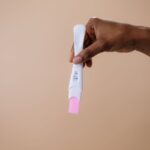
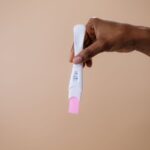
These symptoms overlap heavily with premenstrual symptoms, which is why they can’t confirm pregnancy. A home pregnancy test is the reliable way to know. Tests detect a hormone called hCG, which becomes measurable in urine around the time of a missed period. Testing too early can produce a false negative.



When Should You Worry About Cramping in Early Pregnancy?
Mild cramping without other symptoms is common and usually not a cause for alarm. Certain patterns are different and warrant prompt medical contact. The key is not the cramp alone but what comes with it.
Seek medical care quickly if cramping is severe, persistent, or getting worse rather than easing. Contact a clinician if cramping comes with heavy bleeding, which means soaking through a pad, or with bleeding that includes clots. Also seek care for cramping with fever, chills, dizziness, fainting, or shoulder tip pain.
One-sided pain that is sharp and severe deserves particular attention. Ectopic pregnancy, where a fertilized egg implants outside the uterus, can cause this pattern. It is a medical emergency. The symptoms can include severe one-sided pelvic or abdominal pain, often with bleeding, dizziness, or fainting. This is not something to watch and wait on.
Light spotting can occur in normal early pregnancy, so spotting alone does not mean something is wrong. But any bleeding combined with pain should be checked. The safest approach is to call a clinician rather than search for reassurance online. This is a case where professional assessment matters more than symptom comparison.
Does Cramping Mean Something Is Wrong?
No. Cramping on its own is not a sign that something is wrong. Mild cramping is a normal part of early pregnancy for many people. The uterus is changing, the ligaments are stretching, and hormones are shifting. Some discomfort is a predictable result of those changes.
The evidence does not support the idea that mild cramping predicts miscarriage. Miscarriage is common in early pregnancy, and most early losses are related to chromosomal factors in the developing embryo rather than to physical activity, mild cramping, or everyday movement. That’s a point worth stating plainly because a lot of people carry unnecessary guilt about normal sensations.
What the evidence does support is paying attention to severity and accompanying symptoms. The cramp itself is rarely the useful signal. The pattern, the intensity, and what else is happening are what guide whether medical advice is needed.
What Helps With Mild Early Pregnancy Cramps?
For mild, ordinary cramping, simple comfort measures are reasonable. Rest, changing position, and gentle movement can ease the pulling sensation from stretching ligaments. A warm compress on the lower belly is commonly used, though it’s worth keeping the heat mild and brief rather than prolonged or hot.
Staying hydrated and eating regular meals can help with the digestive component of cramping, which is easy to overlook. Constipation and gas are common in early pregnancy because rising progesterone slows the movement of the digestive tract. Fiber, fluids, and gentle activity support regular digestion.
What to avoid matters as much as what to do. Do not take pain relievers without checking with a clinician. Some common over-the-counter medications are not recommended during pregnancy, and the guidance differs by medication and by stage of pregnancy. This is a case where a pharmacist or clinician should be consulted rather than relying on general advice. No clinical guidelines support self-treating pregnancy pain with medications chosen without professional input.
If cramps are severe, persistent, or come with any of the warning signs described earlier, comfort measures are not the answer. Medical assessment is.
How Early Can Cramping Start?
Cramping can begin very early, sometimes around the time of implantation, which is generally in the days around when a period would be due. Implantation typically occurs in the first couple of weeks after fertilization. Some people notice a brief cramp or light spotting at that point, though many notice nothing at all.
The timing varies widely from person to person. Some feel cramping before a missed period. Others feel nothing until weeks later, when the uterus begins to grow more noticeably. There is no single normal timeline, and the absence of early cramping is not a sign of a problem.
Because the timing overlaps so closely with a normal menstrual cycle, cramping alone is a poor guide to whether pregnancy has occurred. A pregnancy test taken around the time of a missed period is far more reliable than interpreting the sensation.
Frequently Asked Questions
What do early pregnancy cramps feel like?
They usually feel like a mild pulling, stretching, or dull ache low in the belly or pelvis, often similar to light period cramps. They tend to be brief and come and go rather than building in intensity.
Can you have cramps and still have a healthy pregnancy?
Yes. Mild cramping is common in early pregnancy and is not a sign that something is wrong. Severe, persistent, or one-sided pain with bleeding or dizziness is different and needs prompt medical care.
How do I know if it’s pregnancy cramps or period cramps?
You often can’t tell from the sensation alone, because the two can feel very similar. A pregnancy test around the time of a missed period is the reliable way to know.
Should I worry if I have no cramping in early pregnancy?
No. Many people have no cramping at all in early pregnancy, and the absence of cramps is not a warning sign.
