
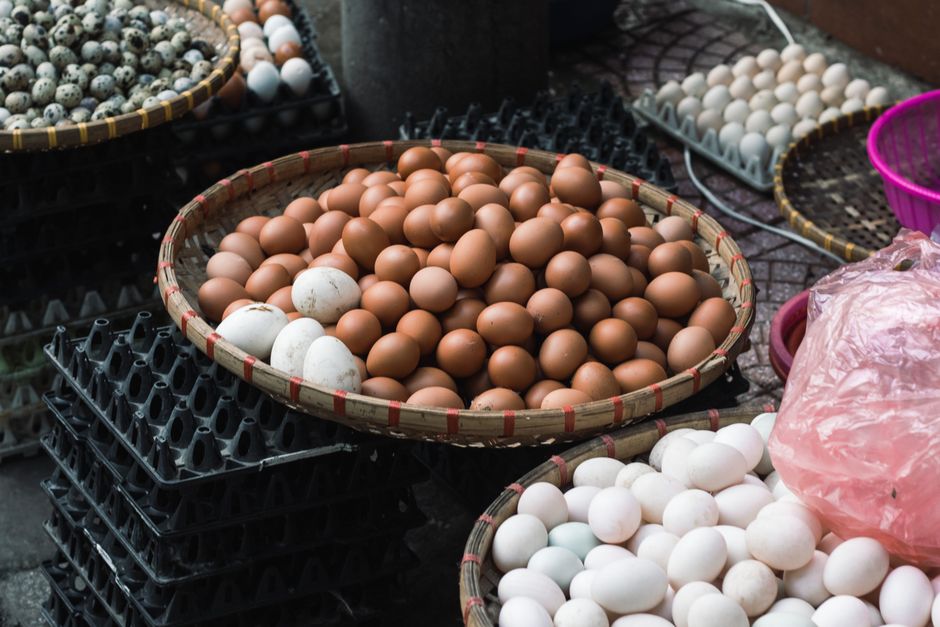
Duck eggs taste richer and more savory than chicken eggs, with a deeper, more complex flavor that many describe as slightly gamey or earthy. The white is firmer and more substantial, while the yolk is larger, creamier, and has a more intense, almost buttery taste. If you have only ever eaten chicken eggs, a duck egg is a noticeable step up in richness and mouthfeel.
How Does a Duck Egg Compare to a Chicken Egg?
The simplest way to understand the flavor is to compare it directly to what you already know. A standard chicken egg has a mild, neutral taste that works as a blank canvas. A duck egg does not.
Duck eggs have a higher fat content, and that fat carries flavor. The yolk is significantly larger in proportion to the white, which means every bite is more yolk-forward. That translates to a creamier texture and a richer taste that lingers on the palate. Some people pick up a slight mineral or gamey note, similar to the difference between farm-raised and wild meat.
When cooked, the white sets up firmer and slightly more rubbery than a chicken egg white if overcooked. Cooked gently, it stays tender but has more structure. The yolk, when soft-boiled or fried over easy, has a velvety, almost custard-like consistency that chicken eggs rarely achieve.
Does a Duck Egg Taste Fishy or Strong?
This is a common concern, and the answer depends on the bird’s diet. Duck eggs do not inherently taste fishy. That flavor comes from feed high in omega-3 fatty acids, specifically from fish meal or algae supplements.
Commercially raised ducks are typically fed a controlled grain diet, producing eggs with a clean, rich flavor. Eggs from pastured ducks that forage for insects, snails, and aquatic plants can have a more pronounced, wilder taste. That is not a defect; it is a reflection of what the bird ate.
If you buy duck eggs from a local farmer, ask about the feed. A diet of grains and greens produces the mildest, most approachable flavor. If the eggs taste strong to you, it is almost certainly dietary, not intrinsic to the species.
Are Duck Eggs Better for Baking?
Yes, and this is where duck eggs genuinely shine. The higher fat content and larger yolk make baked goods noticeably richer, more tender, and more flavorful.
The extra protein in the white also provides more structure. Cakes, custards, and pastries made with duck eggs tend to rise higher and hold their shape better than those made with chicken eggs. The color of the yolk also affects the final product. Baked goods come out with a deeper, golden hue that looks more appealing.
One important note: duck eggs are larger than chicken eggs. A standard duck egg weighs about 70 grams, while a large chicken egg weighs about 50 grams. If a recipe calls for two large chicken eggs, you generally need only one duck egg, possibly with a splash of extra liquid to make up the difference in volume.





How Should You Cook Duck Eggs?
Duck eggs respond well to the same cooking methods as chicken eggs, but the timing changes slightly. The higher protein content means they set faster and can become rubbery if overcooked.
For fried eggs, use a lower heat and remove them from the pan a little earlier than you would with chicken eggs. The white will be fully cooked while the yolk remains soft and creamy. For scrambled eggs, cook them slowly over low heat and stop while they still look slightly wet. They will continue to cook from residual heat.
Soft-boiled duck eggs are a particular treat. The white firms up completely while the yolk stays liquid and intensely rich. Hard-boiled duck eggs have a firmer, more substantial white and a creamy, fully cooked yolk that is less crumbly than a chicken egg yolk.
Poaching works well too. The firmer white holds its shape better in simmering water, producing a neater, more uniform result than chicken eggs often give.
What Do Duck Eggs Taste Like in Different Dishes?
In simple preparations, the difference is obvious. A fried duck egg tastes like a more luxurious version of a fried chicken egg. The yolk is the star, and you will notice it immediately.
In dishes where eggs play a supporting role, the difference is subtler but still present. Quiches, frittatas, and omelets made with duck eggs have a denser, richer texture. The egg flavor is more present, which can overwhelm delicate ingredients if you are not careful.
In baking, the flavor difference mostly disappears behind sugar, butter, and flour. What remains is the textural benefit: a finer crumb, more tenderness, and better structure. You are not eating a duck-flavored cake; you are eating a better-textured cake.
Duck eggs are also excellent in savory applications like ramen, where the soft-boiled egg is a centerpiece. The larger yolk provides a more dramatic, creamy finish when broken into the broth.
Are Duck Eggs Safe to Eat?
Yes, duck eggs are safe to eat when handled and cooked properly. The same food safety rules that apply to chicken eggs apply to duck eggs.
One difference is worth knowing: duck eggs are more porous than chicken eggs, which means bacteria can pass through the shell more easily. In the United States, commercially sold duck eggs are washed and sanitized, but they are not always refrigerated in stores. Once you bring them home, refrigerate them and use them within a few weeks.
Because of the porous shell, it is safer to cook duck eggs thoroughly than to eat them raw or lightly cooked. This is especially important for pregnant women, young children, older adults, and anyone with a weakened immune system. Soft-boiled or runny-yolk duck eggs carry a slightly higher risk than the same preparation with chicken eggs.
If you are buying duck eggs locally, check that the shells are clean and free of cracks. Wash your hands after handling the shells, and cook the eggs until the white is completely set. The yolk can remain soft if you are healthy and not in a high-risk group, but the white should always be firm.
Where Can You Buy Duck Eggs?
Duck eggs are not as common as chicken eggs in mainstream grocery stores, but they are becoming easier to find. Look for them in the refrigerated egg section of larger supermarkets, natural food stores, or Asian grocery stores, where they are often stocked regularly.
Farmers markets are another reliable source. Many small farms that raise ducks for meat also sell their eggs seasonally. The flavor from pastured ducks is often more pronounced, so ask the farmer about their feeding practices if you prefer a milder taste.
Online retailers also ship duck eggs, though shipping costs can make them expensive. If you have space and local regulations allow it, keeping a small flock of ducks is a practical way to have a steady supply. Ducks lay almost daily during their laying season and are hardy, low-maintenance birds.
Are Duck Eggs Worth the Price?
Duck eggs cost more than chicken eggs, often two to three times as much per egg. That price difference reflects the higher cost of raising ducks and the lower production volume, not necessarily superior nutrition.
Nutritionally, duck eggs are similar to chicken eggs. They contain more fat and cholesterol per egg because they are larger, but the vitamin and mineral profiles are comparable. If you are watching cholesterol, one duck egg contains roughly the same amount as one and a half chicken eggs.
Whether they are worth the price comes down to taste and texture. If you enjoy rich, flavorful eggs and want better results in baking, duck eggs are a worthwhile splurge. If you are happy with chicken eggs and do not notice or care about the difference, there is no pressing health reason to switch.
Frequently Asked Questions
Do duck eggs taste like chicken eggs?
No, duck eggs are richer, creamier, and more savory than chicken eggs, with a deeper yolk flavor. The white is also firmer and more substantial.
Why do duck eggs taste different from chicken eggs?
Duck eggs have a higher fat content and a larger yolk-to-white ratio, which makes them taste richer and more yolk-forward. The bird’s diet also affects the flavor.
Can you eat duck eggs raw?
It is not recommended to eat raw duck eggs because the shells are more porous and can allow bacteria to pass through more easily. Cooking them thoroughly is the safer choice.
Are duck eggs better than chicken eggs for baking?
Yes, duck eggs produce richer, more tender baked goods because of their higher fat and protein content. They also provide more structure and a deeper golden color.
