
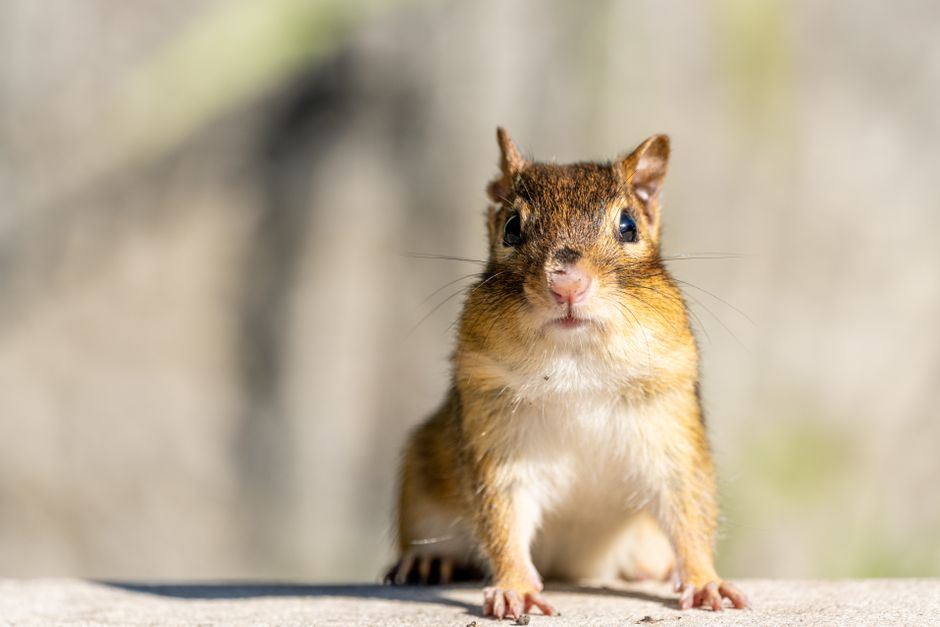
Chipmunks are opportunistic eaters that survive on a mix of seeds, nuts, fruits, fungi, and the occasional insect or small animal. Their natural diet shifts with the seasons, what grows nearby, and whether they are preparing for winter or feeding young. They are not picky, and that flexibility is a big reason they thrive in forests, backyards, and mountain ranges across North America.
What Do Chipmunks Eat A Look At Their Natural Diet?
Chipmunks are omnivores with a strong preference for plant material. The bulk of their natural diet comes from seeds, nuts, grains, and fruits, with animal protein playing a smaller but real role.
Different species lean in slightly different directions depending on where they live. Eastern chipmunks, common in the eastern United States, eat a wide range of seeds and nuts along with insects, worms, and occasionally bird eggs or nestlings. Western species like the least chipmunk rely more heavily on seeds from shrubs and grasses, plus fungi and berries when available.
What ties all chipmunk species together is flexibility. They eat what is available in their territory and adjust as the seasons change. A chipmunk in a suburban yard and one in a remote alpine meadow may eat very different things on any given day.
Seeds and Nuts
Seeds form the foundation of most chipmunk diets. Sunflower seeds, pine nuts, acorns, hickory nuts, beechnuts, and the seeds of grasses and wildflowers are all common foods. Chipmunks are built for this kind of eating. Their cheek pouches let them carry large amounts of food back to their burrows, sometimes several seeds at once.
Nuts are especially important in late summer and fall. A chipmunk that finds a good source of acorns or pine nuts will make repeated trips to stock its burrow. This cached food carries it through winter and early spring, when fresh food is scarce.
Fruits, Berries, and Fungi
When fruits and berries are in season, chipmunks eat them readily. Wild strawberries, blackberries, raspberries, serviceberries, and the fruit of wild shrubs all show up in their diet. They will also eat mushrooms and other fungi, which some research suggests may be an important food source for certain western species.
Fungi are easy to overlook as chipmunk food, but they provide nutrients that seeds alone do not. Chipmunks that eat fungi may also help spread fungal spores through the forest, which benefits the trees and plants around them.
Insects and Animal Matter
Chipmunks are not strict plant eaters. They eat insects, grubs, worms, snails, and other small invertebrates when they can catch them. This matters most in spring and summer, when chipmunks are feeding growing young and need more protein.
Some chipmunks will also eat small vertebrates. Bird eggs and nestlings, small frogs, and even young mice have been reported in chipmunk diets. This behavior is not their main food source, but it does happen, especially when other food is scarce.
How Does a Chipmunk’s Diet Change With the Seasons?
A chipmunk’s menu changes through the year because what is available changes. The animal does not follow a fixed plan. It eats what it can find and stores what it can carry.
In spring, chipmunks emerge from their burrows and eat whatever survived the winter. That often means cached seeds and nuts, plus early insects and the first green shoots. As plants grow, the diet expands to include buds, flowers, and tender vegetation.
Summer brings the widest variety. Seeds are forming, berries are ripening, and insects are plentiful. This is when chipmunks eat the most animal protein, which supports reproduction and growth.
Fall is about storage. Chipmunks spend much of their time gathering nuts and seeds and packing them into their burrows. A single chipmunk may cache thousands of seeds over a season, though not all of that food gets eaten. Some seeds are forgotten or left behind, and those can grow into new plants.
Winter is the quiet season. Chipmunks do not truly hibernate the way bears do. They enter a state of torpor, dropping their body temperature and heart rate for periods of time, then waking to eat from their stored food. This is why the fall caching matters so much.
Do Chipmunks Eat Bird Seed and Garden Plants?
Yes. Bird feeders are an easy food source, and chipmunks take full advantage. Sunflower seeds, millet, and cracked corn are all fair game. A chipmunk that finds a well-stocked feeder will return to it again and again.
In gardens, chipmunks eat seeds, bulbs, and seedlings. They may dig up tulip bulbs, nibble on strawberries, and take seeds directly from the ground before they sprout. They are less destructive than some other rodents, but they can still cause frustration for gardeners.
What chipmunks generally do not do is eat large amounts of mature plant leaves or stems. They are not grazers like rabbits or deer. Their interest in plants is mostly about seeds, fruit, and underground parts.
What Do Chipmunks Eat in the Wild Versus in Captivity?
Wild chipmunks eat a varied diet that changes daily. Captive chipmunks depend entirely on what their caretakers provide, and that diet needs to be more carefully managed.
In the wild, chipmunks balance their own nutrition by eating a wide range of foods. They get protein from insects, fat from nuts and seeds, and vitamins from fruits and fungi. They also eat soil and grit, which may help with digestion.
In captivity, chipmunks are sometimes fed commercial rodent diets, seeds, nuts, fruits, and vegetables. The problem is that captive diets can easily become unbalanced. Too many nuts and seeds can lead to obesity and nutritional deficiencies. Captive chipmunks also need calcium and other minerals that wild chipmunks get from a varied diet.
No clinical guidelines exist for feeding pet chipmunks specifically. Anyone caring for one should consult a veterinarian who works with small mammals rather than relying on general rodent advice.
What Should You Not Feed a Chipmunk?
Chipmunks that live near people sometimes get fed, intentionally or not. Some foods that seem harmless are not good for them.
- Salty snacks: Chips, crackers, and salted nuts can cause health problems in small animals.
- Sugary foods: Candy, cookies, and sweetened cereals offer calories without nutrition.
- Processed meats: These are high in salt and preservatives and are not part of a chipmunk’s natural diet.
- Chocolate: Chocolate contains compounds that are toxic to many small animals.
- Alcohol and caffeine: Both are harmful to chipmunks and other small mammals.
Even foods that are safe for chipmunks should not be given in large amounts. A chipmunk that fills up on human food may stop eating the varied diet it needs to stay healthy.
How Do Chipmunks Find and Store Their Food?
Chipmunks use their senses and memory to find food. They have good eyesight for spotting seeds and fruit, and a strong sense of smell for locating buried nuts and insects.
Their cheek pouches are the key to their food storage strategy. These pouches stretch from the inside of the mouth back toward the shoulders and can hold a surprising amount of food. A chipmunk will stuff its cheeks, carry the food back to its burrow, and empty the pouches into a storage chamber.
A chipmunk’s burrow is more than a hole in the ground. It typically includes a tunnel system with separate chambers for sleeping, raising young, and storing food. Some burrows have multiple entrances, which help the chipmunk escape predators.
The food stored in these chambers is called a cache. Chipmunks rely on their caches to survive winter and to feed themselves in early spring before new food is available. Not all cached food gets eaten. Some seeds sprout, and some are taken by other animals. This is one way chipmunks accidentally help spread plants.
Why Chipmunks Eat What They Eat
Chipmunk diet is shaped by energy needs and availability. Seeds and nuts are calorie-dense, which makes them ideal for an animal that needs to store fat and cache food for winter. Fruits and berries provide quick energy and water. Insects provide protein for growth and reproduction.
This is not a matter of preference alone. A chipmunk that eats mostly nuts in fall is preparing for a season when fresh food will be gone. A chipmunk that eats insects in summer is fueling its own growth or feeding young. The diet follows the demands of the season and the animal’s stage of life.
Chipmunks are also small enough that they cannot travel far for food. They eat what grows within their territory, which is often just a fraction of an acre. That limited range is why local plant life has such a strong influence on what any individual chipmunk eats.
Do Chipmunks Store Food in Their Cheeks or in Their Burrows?
Both. Cheek pouches are for carrying food short distances, usually from a food source back to the burrow. The burrow is where the food is stored long-term.
A chipmunk does not eat everything it finds. It eats some on the spot and carries the rest home. This behavior is called caching, and it is central to how chipmunks survive seasons when food is scarce.
The cheek pouches are not used for eating. They are storage and transport only. Once the chipmunk reaches its burrow, it pushes the food out of its pouches with its front paws and adds it to the cache.
Frequently Asked Questions
Do chipmunks eat meat?
Chipmunks eat some animal matter, including insects, worms, and occasionally small vertebrates like young mice or bird eggs. Meat is not their main food source, but it is part of their natural diet.
Are chipmunks herbivores?
No. Chipmunks are omnivores, meaning they eat both plant and animal material. Most of their diet is plant-based, but they also eat insects and other small animals.
What do chipmunks eat in winter?
Chipmunks eat food they stored in their burrows during fall, mostly seeds and nuts. They do not hibernate fully and wake from torpor to eat from their caches throughout the winter.
Can chipmunks eat peanuts?
Chipmunks can eat peanuts, and they often do when peanuts are available. Peanuts are high in fat and should not make up most of their diet, especially for captive chipmunks.
