
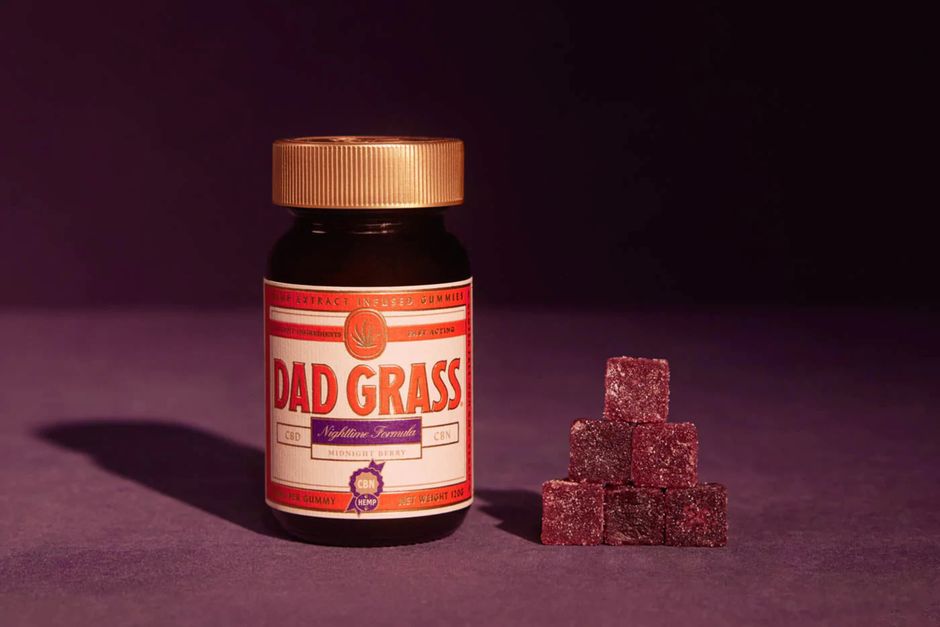
Cannabidiol (CBD) gummies are edible candies that contain CBD, a compound found in the cannabis plant. Unlike THC, CBD does not produce a “high.” What CBD gummies do depends heavily on the dose, the product’s purity, and the person taking them. The effects people most commonly report are calmness and reduced anxiety, though the strength of the evidence varies by use. Side effects are usually mild — dry mouth, drowsiness, and digestive upset — but CBD can interact with certain medications in ways that matter.
What Do CBD Gummies Actually Do to Your Body?
CBD interacts with the body’s endocannabinoid system, a network of receptors and chemical signals involved in mood, sleep, appetite, and pain perception. CBD does not bind directly to the main cannabinoid receptors the way THC does. Instead, it appears to influence how other signals are processed, which is part of why its effects are subtle rather than dramatic.
Most people describe a mild sense of relaxation rather than intoxication. You will not feel “high.” You should not feel impaired in the way alcohol or THC impairs you. If a product makes you feel strongly altered, that is a warning sign — either the dose was very high or the product contains something it should not.
Gummies deliver CBD through the digestive system, which matters. Absorption through the stomach and liver is slower and less predictable than absorption under the tongue or by inhalation. Onset typically takes anywhere from 30 minutes to a couple of hours, and the effects tend to last several hours. The exact timing varies a lot between people and between products.
What Conditions Do CBD Gummies Help With?
The strongest evidence for CBD as a treatment comes from purified, pharmaceutical-grade CBD used for specific rare seizure disorders in children. That is a prescription product, not a gummy, and the two should not be confused.
For everyday uses — anxiety, sleep, general pain — the picture is much less settled. Some studies suggest CBD may reduce anxiety in certain situations, but many of these are small, short, or conducted in laboratory settings rather than real-world conditions. The evidence is mixed, and results vary widely between studies.
Here is where honesty matters most. A gummy you buy at a store is not the same as a studied pharmaceutical. The dose is often uncertain, the purity is not guaranteed, and the clinical trials that exist mostly used isolated CBD at known doses. No large human trials have confirmed that over-the-counter CBD gummies reliably treat anxiety, insomnia, or chronic pain.
A non-obvious point worth understanding: the placebo effect is strong in pain and anxiety research. People who expect to feel calmer often do. That does not mean CBD does nothing — it means separating real effect from expectation is genuinely difficult, and the research has not fully done so for most consumer uses.
What Are the Common Side Effects of CBD Gummies?
Reported side effects are generally mild. The most frequently noted ones in clinical research include:
- Dry mouth
- Drowsiness or fatigue
- Diarrhea or loose stools
- Reduced appetite
- Dizziness
These are more likely at higher doses. At low doses, many people report no noticeable side effects at all. Drowsiness is worth planning around — if you drive or operate machinery, take note.
Some people experience an upset stomach from the gummy itself, not the CBD — the sugars, flavorings, and binders in edibles can bother a sensitive digestive system. If you notice stomach issues, the candy base may be the culprit rather than the CBD.
Can CBD Gummies Interact With Medications?
Yes, and this is the most clinically important safety point about CBD. CBD can affect how the liver breaks down certain drugs, potentially raising or lowering their levels in your blood. The mechanism involves liver enzymes that process many common medications.
Medications that may be affected include some blood thinners, epilepsy drugs, and certain drugs for heart conditions and immune function. This is not a minor concern. If you take prescription medication — especially anything with a narrow safe range — talk to your doctor or pharmacist before using CBD. This is a case where common clinical caution is well justified by how CBD is known to behave in the body.
CBD can also add to the effects of other sedating substances, including alcohol and sleep medications. Combining them is not advisable without medical guidance.
How Much CBD Should You Take?
There is no official recommended dose for general CBD use. Regulatory bodies have not established a standard daily intake for consumer CBD products, and dosing varies enormously between products and between studies.
The honest position: no clinical guidelines currently exist for general CBD dosing in healthy adults. What exists is the studied dose for the prescription seizure medication, which is set by a doctor and does not translate to store-bought gummies. For everyone else, dosing is largely trial and error under the guidance of a healthcare provider.
If you decide to try CBD, starting with a low dose and increasing slowly is a widely used approach, though it is common practice rather than a formally established guideline. Keep track of what you take and how you feel. And check the label carefully — many gummies contain far more or far less CBD than the package claims, and independent testing has repeatedly found mismatches between labels and contents.
Are CBD Gummies Legal and Safe to Buy?
Legality varies by state and is genuinely complicated. CBD derived from hemp is federally legal in the US under current law, but individual states have their own rules, and some restrict or ban certain products. Rules can change, so check your state’s current position rather than relying on what was true a few years ago.
Safety of the product itself depends on quality control, which is not guaranteed. The FDA does not review CBD products for safety and effectiveness before they are sold. Independent testing has found some products with inaccurate CBD levels and, in some cases, contaminants or traces of THC. Third-party lab testing is a signal of quality, though it is not a guarantee.
Groups where caution is especially warranted: people who are pregnant or breastfeeding, children, and anyone taking prescription medication. For these groups, established guidance is limited or absent, and the safest path is to talk with a healthcare provider before use. No clinical guidelines currently exist for CBD use during pregnancy or breastfeeding, and it is not recommended without medical advice.
What Should You Watch For When Trying CBD Gummies?
Pay attention to how you feel in the hours after taking one, especially the first few times. Note any drowsiness, stomach upset, or changes in mood. If you feel unwell, stop and consider whether the product or the dose is the cause.
Be skeptical of bold claims. Labels that promise to cure anxiety, fix sleep, or eliminate pain are making claims the evidence does not support. No study has confirmed that CBD gummies cure any condition. A product marketed that way is a reason for caution, not confidence.
If you take medication, have a health condition, or are unsure whether CBD is appropriate for you, that conversation belongs with your doctor or pharmacist. They know your specific medications and health history in a way no article can.
Frequently Asked Questions
Do CBD gummies get you high?
No, CBD does not produce a high the way THC does. If a product makes you feel intoxicated, it may contain THC or another substance it should not.
How long do CBD gummies take to work?
Effects usually begin within 30 minutes to a couple of hours after eating one. Timing varies between people and products because digestion and absorption differ.
Can you take CBD gummies with prescription medication?
Only with medical guidance, because CBD can change how the liver processes certain drugs. Talk to your doctor or pharmacist before combining them.
Are CBD gummies safe for everyone?
No, they are not appropriate for everyone. People who are pregnant or breastfeeding, children, and those on prescription medication should get medical advice first.
