
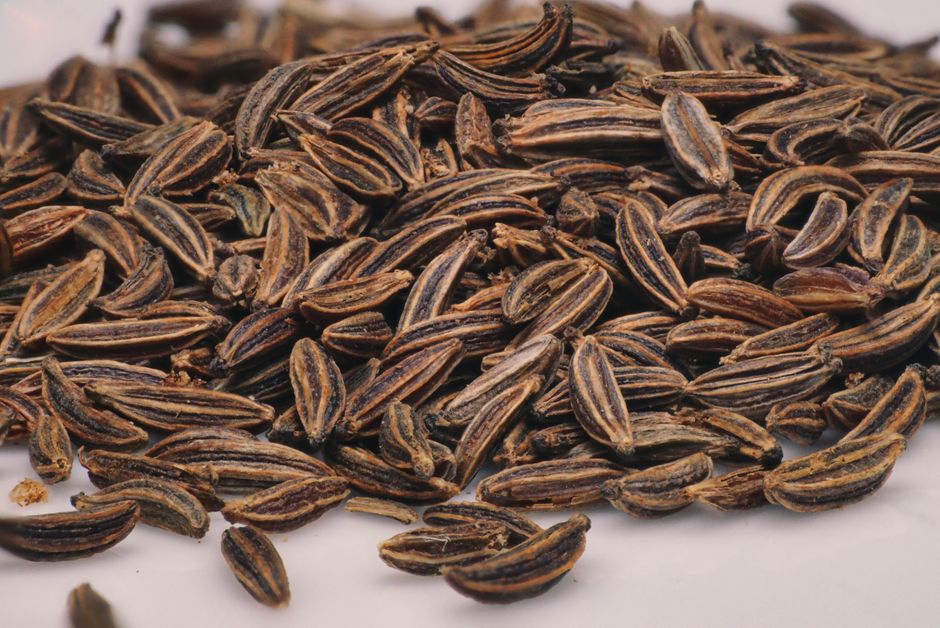
Caraway seeds taste like a warm, earthy blend of anise, fennel, and a faint hint of citrus peel. The flavor is mild at first, then lingers with a slightly bitter, peppery finish that sets caraway apart from its sweeter cousins. If you have eaten rye bread or sauerkraut, you already know the taste — you just may not have had a name for it.
That distinct flavor comes from a natural oil inside the seed called carvone. It is the same compound responsible for the taste of dill and the cool sensation of spearmint, which is why caraway can seem familiar even the first time you try it.
What Do Caraway Seeds Taste Like?
Caraway tastes warm, sharp, and slightly sweet up front, with a bitter edge that arrives a second later. The dominant note is anise-like, meaning it resembles licorice, fennel, or star anise. But caraway is not as sweet as those spices. It has a savory, almost rye-bread quality that makes it work in both sweet and savory dishes.
The aroma is a big part of the experience. Much of what we call “taste” is actually smell, and caraway’s volatile oils reach your nose before the seed even hits your tongue. That is why a small amount can flavor an entire loaf of bread.
People often describe the flavor in different ways. Some pick up mint. Others notice citrus or a faint pine note. This variation is normal and depends on your sensitivity to carvone and related compounds.
Why Do Caraway Seeds Taste Like Licorice?
The licorice comparison comes down to chemistry. Caraway, anise, fennel, and true licorice root all contain aromatic compounds that your brain groups together as “licorice-like.” In caraway, the main one is carvone. In anise and star anise, it is anethole.
These are different molecules, which is why the flavors are similar but not identical. Anise and star anise taste sweeter and rounder. Caraway is more pungent and has that bitter, savory undertone.
So caraway does not actually contain licorice. It simply shares a flavor family. If you dislike black licorice candy, you may still enjoy caraway in small amounts, because the bitterness and warmth change the experience.
Is Caraway the Same as Fennel or Cumin?
No. These three seeds look alike but taste quite different, and cooks mix them up often.
- Caraway — warm, earthy, anise-like with a bitter finish. Common in rye bread, sauerkraut, and some European dishes.
- Fennel — sweeter and milder, with a cleaner licorice taste. Used in Italian sausage and many Mediterranean recipes.
- Cumin — earthy and nutty with no licorice note at all. A staple in Mexican, Indian, and Middle Eastern cooking.
Caraway seeds are small, dark brown, and curved like a crescent moon, with faint ridges running along the surface. Fennel seeds are larger and lighter green. Cumin seeds are longer and straighter. Once you know the shapes, telling them apart is easy.




How Does Caraway Change When You Cook It?
Heat softens caraway’s sharpness and brings out its sweetness. Raw seeds are pungent and can taste almost medicinal if you bite into a cluster of them. Toasting or baking mellows that edge and rounds out the flavor.
Whole seeds release their flavor slowly, which is why they hold up well in long-baked breads and slow-cooked dishes. Ground caraway is more intense and loses its punch faster. If you grind your own, use it within a few weeks for the best results.
A little goes a long way. Caraway can easily overpower a dish, so many cooks start with a small pinch and adjust. In rye bread, the seeds are often scattered through the dough rather than mixed in fully, so some bites are stronger than others.
What Foods Are Caraway Seeds Used In?
Caraway shows up most often in European cooking, especially in Central and Eastern Europe. It is a signature flavor in rye bread, where its warmth balances the grain’s natural tang.
Other common uses include:
- Sauerkraut and pickled cabbage
- Pork and beef dishes, especially roasts and stews
- Cheeses, particularly some German and Dutch varieties
- Breads, biscuits, and even some cakes
- Liqueurs, including certain herbal spirits
In some regions, caraway is also chewed after a meal. The seeds have a long folk history for freshening breath and settling the stomach, though the scientific support for those uses is limited and mixed.
Does Caraway Have Any Health Benefits?
Caraway has a long history of use for digestion, and some research suggests its oils may help relax the muscles of the digestive tract. But the evidence is not strong enough to call caraway a treatment for any condition.
Small studies have looked at caraway oil combined with other herbs for indigestion and bloating. Results have been modest and often mixed. No large, high-quality human trials confirm that caraway alone relieves digestive problems.
Caraway seeds do contain fiber, some minerals, and antioxidant compounds. As part of a normal diet, that is a small positive. It is not a reason to eat large amounts, and it is not a substitute for medical care.
One honest note: many websites claim caraway “supports digestion” or “detoxifies” the body. Those claims are not backed by solid evidence. The seeds are a flavoring, not a medicine.
Can You Be Allergic to Caraway?
Caraway allergy is uncommon but has been reported. People who react to other spices in the same family — such as fennel, anise, dill, or celery — may be more likely to react to caraway too.
Symptoms of a spice allergy can include itching, hives, or swelling around the mouth. In rare cases, a serious reaction can occur. If you have a known spice allergy, talk to a doctor before trying caraway. If you have ever had a severe reaction to any food, seek emergency care rather than testing it yourself.
Caraway is generally recognized as safe when used as a food seasoning. Concentrated caraway oil is a different matter. It is far stronger than the seeds and should not be taken in large amounts or used without guidance, especially by pregnant women or people with medical conditions.
How Should You Store Caraway Seeds?
Keep caraway seeds in an airtight container away from heat, light, and moisture. Whole seeds hold their flavor for about a year or more. Ground caraway fades much faster, often within a few months.
If you are not sure whether your seeds are still good, smell them. Fresh caraway has a strong, clear aroma. Old seeds smell faint or dusty, and they will not add much to a dish.
Buying whole seeds and grinding them yourself gives you the best flavor. A small coffee grinder or mortar and pestle works well. Grind only what you need for the dish at hand.
Frequently Asked Questions
What do caraway seeds taste like?
Caraway seeds taste warm and earthy, with an anise-like flavor similar to licorice or fennel. They finish with a slightly bitter, peppery note that makes them more savory than sweet.
Are caraway seeds and fennel seeds the same thing?
No, they are different seeds that look similar but taste distinct. Fennel is sweeter and milder, while caraway is more pungent with a bitter edge.
Do caraway seeds taste like black licorice?
They taste similar because both share a licorice-like aroma, but caraway is less sweet and has a savory, bitter finish. Caraway does not contain actual licorice.
Can you eat caraway seeds raw?
Yes, caraway seeds can be eaten raw and are often sprinkled on breads and dishes without cooking. Raw seeds taste sharper and more pungent than toasted ones.
