
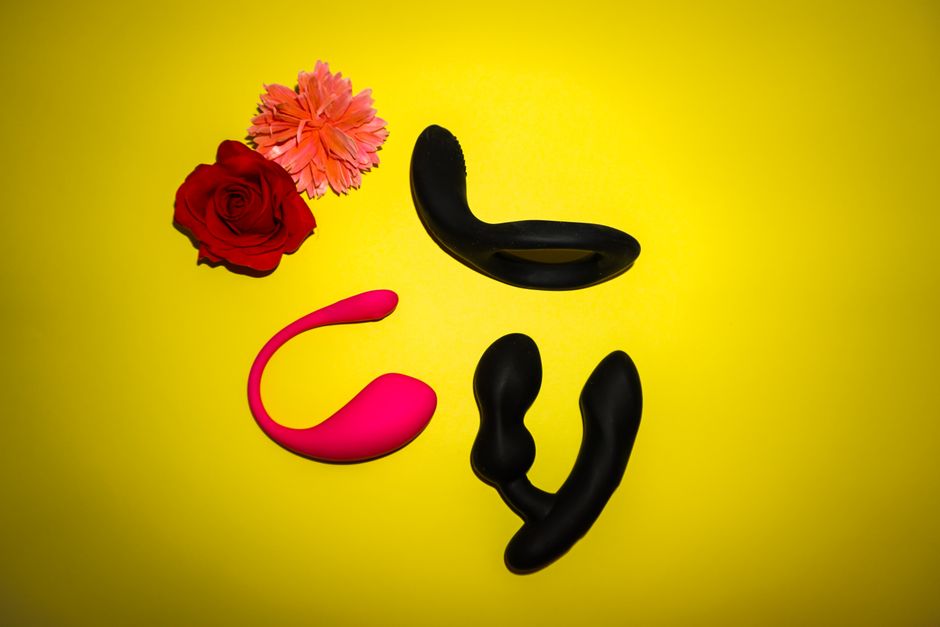
Buttplugs are sex toys designed to be inserted into the anus and rectum and held in place. Their flared base keeps them from slipping inside, and their shape allows them to stay put during sexual activity or solo play. What they do is provide internal pressure and fullness in the anal canal and rectum, which many people find sexually pleasurable.
That is the short answer. The longer answer involves anatomy, safety, and a lot of marketing noise that deserves to be cleared up. This article explains what buttplugs actually do to the body, who uses them and why, and what the evidence says about safety.
What Do Buttplugs Do?
A buttplug creates pressure against the walls of the anal canal and rectum. The anus and lower rectum are packed with nerve endings. For many people, gentle pressure in this area produces sexual pleasure, either on its own or alongside other stimulation.
The rectum itself is not a highly sensitive organ in the way the skin is. Much of the sensation from a buttplug comes from the anal sphincter muscles and the tissue just inside the anal opening. This is why the shape and size of the plug matter more than how deep it sits.
Buttplugs are also used for reasons that have nothing to do with direct pleasure. Some people use them to create a feeling of fullness during other sexual activity. Others use small plugs to help relax the anal muscles before anal sex. Some people use them as part of solo masturbation. None of these uses are medical treatments, and none have been studied as therapy.
One clarification worth making: a buttplug does not “train” the sphincter to stay open, and it does not permanently loosen the anus. The anal sphincter is a strong ring of muscle that returns to its resting state after the toy is removed. Claims that plugs provide lasting muscle training are not supported by clinical evidence.
How Does the Anatomy of the Anus and Rectum Work?
The anus is the opening at the end of the digestive tract, and the rectum is the section of bowel just above it. Two rings of muscle called the internal and external anal sphincters control the opening. The internal sphincter works automatically. The external sphincter is under voluntary control.
The tissue lining the anal canal is delicate. Unlike the vagina, the rectum does not self-lubricate. It also has a thinner protective lining and a rich blood supply. That combination means small tears can happen more easily, and any break in the tissue is a route for bacteria to enter.
This anatomy explains two practical points. First, lubrication is not optional with anal play. Second, anything inserted into the rectum needs a way to be removed safely. The rectum curves and can draw objects upward, which is why the flared base on a buttplug is a safety feature, not a design detail.
What Are Buttplugs Used For?
People use buttplugs for sexual pleasure, either alone or with a partner. The most common reasons include:
- Sensation and fullness during sex or masturbation
- Pressure on the anal opening and sphincter, which many people find arousing
- Gradual stretching or relaxation before anal intercourse, which some people find helpful
- Novelty and variety in partnered play
Some people report that a plug worn during other activities adds a layer of sensation. Others find the idea more appealing than the reality. Both responses are normal. The anal area is not equally sensitive in everyone, and enjoyment varies widely.
Buttplugs are not medical devices. They are not treatments for constipation, hemorrhoids, or pelvic floor problems. Some clinics use specialized anal dilators for certain medical conditions, but those are prescribed tools used under guidance, not the sex toys sold in stores.
Are Buttplugs Safe?
Buttplugs can be used safely, but the risks are real and worth understanding. The main concerns are tissue injury, infection, and objects getting stuck.
Small tears in the anal lining are the most common injury. They can cause pain, bleeding, and a higher risk of infection. Poor lubrication, rough insertion, or a plug that is too large for the user all raise this risk. Bleeding after anal play should be checked by a clinician if it does not stop or keeps happening.
Infection is a genuine concern because the rectum contains bacteria. Sharing a buttplug without thorough cleaning, or moving a toy from the anus to the mouth or vagina without cleaning it, can spread bacteria. The general guidance is to use a condom on the toy and change it between uses, or to clean the toy properly between partners.
The most serious risk is a toy that slips inside and cannot be removed. This is a well-documented reason for emergency department visits. A plug without a flared base, or one with a base that is too small, can be drawn up into the rectum. Removal then requires medical help. This is why any toy used anally must have a base wide enough that it cannot pass through the opening.
People with certain conditions should talk to a clinician before anal play. These include active hemorrhoids, anal fissures, inflammatory bowel disease affecting the rectum, recent anal or rectal surgery, and bleeding disorders. This is a general caution, not a rule that applies to everyone.
What Materials and Lubricants Should You Consider?
Material matters for safety and for cleaning. Non-porous materials are easier to clean and less likely to harbor bacteria. Porous materials can trap bacteria in small spaces even after washing.
Silicone, glass, and stainless steel are generally considered non-porous. Many clinicians and sex educators recommend non-porous materials for anal use. Some softer materials are porous, and their cleaning is less reliable. If you are unsure about a toy’s material, treat it as porous.
Lubricant choice matters too. Silicone-based lubricants can damage silicone toys over time. Water-based lubricant is compatible with silicone and with condoms. Oil-based lubricants can degrade latex condoms and are not recommended with them. The general advice is to use more lubricant than you think you need and to reapply often.
How Should a Buttplug Be Used Safely?
Start small and go slowly. The anal sphincter needs time to relax, and rushing is the most common cause of pain and minor injury. A smaller plug with a wide base is the usual starting point.
Use plenty of lubricant on both the toy and the opening. Insert slowly and stop if there is sharp pain. Discomfort that feels like pressure is different from pain that feels sharp or tearing. The second kind means stop.
Keep the base outside the body at all times. Never insert a toy that lacks a flared base. Clean the toy before and after use with soap and warm water or a toy cleaner, following the manufacturer’s instructions. Store it separately from other items.
Listen to your body afterward. Mild soreness can happen. Ongoing pain, bleeding that does not stop, fever, or a toy that will not come out are reasons to seek medical care. Do not try to retrieve a stuck object with household tools or by reaching blindly. Go to an emergency department or urgent care.
What Does the Evidence Say About Buttplugs?
There is very little clinical research on buttplugs specifically. Most of what is known comes from anatomy, general principles of anal safety, and case reports of injuries. No large trials have studied buttplug use, and no clinical guidelines address it.
That does not mean the safety advice is guesswork. The anatomy is well established, and the injury patterns are documented in emergency medicine. The flared base recommendation, the lubrication advice, and the caution about porous materials all rest on that understanding rather than on marketing claims.
What the evidence does not support is the idea that buttplugs provide health benefits. Claims about improved pelvic floor strength, better digestion, or “detox” have no clinical backing. If a product page makes those claims, treat them as marketing.
Frequently Asked Questions
What does a buttplug feel like?
Most people describe a feeling of fullness and pressure in the anal area. Sensation varies widely, and some people feel little or nothing.
Can a buttplug get stuck?
Yes, if it lacks a wide flared base. A toy that slips inside the rectum usually requires medical removal, so always use one with a base that cannot pass through the opening.
Do buttplugs loosen the anus permanently?
No. The anal sphincter is a muscle that returns to its resting state after the toy is removed, and there is no evidence that plugs cause lasting looseness.
Can you wear a buttplug all day?
Some people do wear plugs for extended periods, but there is no clinical guidance on safe duration. Prolonged wear raises the risk of irritation and pressure injury, so shorter sessions are generally considered safer.
