
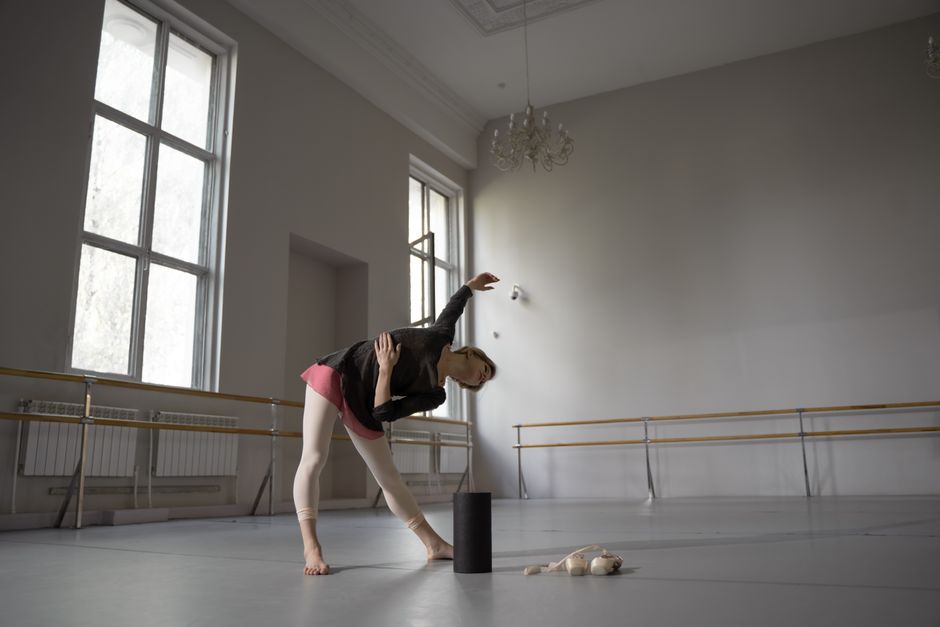
Professional ballerinas do not follow a single secret diet. Most eat regular meals built around lean protein, vegetables, and whole grains, and they eat more on performance days than on rest days. The visible thinness comes from a demanding daily training load and, in many companies, from aesthetic pressure that has historically pushed dancers toward restrictive eating.
The gap between what people imagine ballers eat and what they actually eat is wide. The romantic version is a dancer surviving on black coffee and a single almond. The reality is closer to an athlete’s diet, with one uncomfortable difference: the athlete’s diet is built for performance, while the dancer’s diet has often been shaped by how a costume looks under stage lights.
What Do Ballerinas Really Eat To Stay Thin?
Most professional dancers eat a structured, moderate diet with three meals and snacks, and they burn a large number of calories through class, rehearsal, and performance. A dancer’s day can include several hours of movement before the curtain even goes up. That energy expenditure is the main reason many dancers stay lean without eating very little.
What a dancer’s plate typically looks like:
- Breakfast: eggs, yogurt, or oatmeal with fruit
- Lunch: chicken, fish, or legumes with rice, quinoa, or bread and vegetables
- Dinner: lean protein, vegetables, and a carbohydrate source
- Snacks: nuts, fruit, yogurt, or crackers between rehearsals
This is not dramatically different from general healthy eating advice. The difference is portion size and timing. Dancers often eat a larger meal after a show, when the body is depleted, and a lighter meal before class, when a full stomach is uncomfortable during movement.
One clarification worth making: staying thin and staying healthy are not the same goal, and ballet has a long, documented history of confusing the two. More on that below.
How Many Calories Does A Ballerina Actually Burn?
A professional dancer’s daily energy expenditure is high, often comparable to other elite athletes. A full day of class, rehearsal, and performance can involve several hours of continuous moderate to vigorous movement. The exact number varies widely by role, company schedule, and body size.
This matters because it explains the apparent contradiction. A dancer who eats what looks like a normal or even generous diet can still be lean because the output side of the equation is large.
It also explains why under-eating is so damaging in this population. When a dancer restricts food below what training demands, the body responds the way any athlete’s body does: fatigue, slower recovery, higher injury risk, and in women, disruption of the menstrual cycle. That last point is important and often overlooked. Loss of regular periods in female dancers is not a sign of discipline. It is a sign that the body has suppressed normal hormonal function, and it carries consequences for bone health.
Do Ballerinas Starve Themselves?
Some have, and some still do. That is the honest answer, and it would be misleading to pretend otherwise. Ballet has a well-documented history of eating disorders, and research on dancers has consistently found higher rates of disordered eating than in the general population.
The pressure is structural, not just personal. Dancers are often weighed, compared, and cast partly on appearance. Costumes are fitted to bodies, not the reverse. In some companies and schools, a dancer’s weight has historically been treated as a professional matter rather than a private health one.
What has changed is the conversation. Many major companies now employ nutritionists and physiotherapists, and dance medicine as a field has pushed back against the idea that thinness equals talent. That shift is real but uneven. Some schools and companies have adopted stronger health support. Others have not.
It is also worth separating two things that get blurred together: a dancer who is naturally lean and eats adequately, and a dancer who is restricting food to maintain a certain look. From the outside, they can look identical. From the inside, they are very different situations.
What Does A Typical Ballerina Eat In A Day?
A typical performance-day diet for a professional dancer is built around steady energy and recovery, not restriction. Dancers generally eat before class, again at a proper lunch break, and again before or after the evening show, with snacks in between.
A realistic day might look like this:
- Morning: oatmeal with fruit and yogurt, or eggs and toast, plus coffee or tea
- Mid-morning: a snack between class and rehearsal, such as a banana and nuts
- Lunch: a protein source with rice, pasta, or bread and vegetables
- Afternoon: another snack before the show, often something quick and easy to digest
- Evening: a fuller meal after performing, when appetite returns
Hydration matters as much as food. Dancers sweat through layers during class and performance, and dehydration affects coordination and concentration. Water is the default; electrolyte drinks are sometimes used around long performance days.
The pattern is closer to a runner’s or swimmer’s eating plan than to a dieter’s. The carbohydrate intake in particular surprises people who assume dancers avoid carbs entirely. Most do not. Carbohydrates are the body’s preferred fuel for the kind of repeated, explosive movement ballet demands.
Why Do Ballerinas Look So Thin?
Ballerinas often look thinner than they are because of how ballet presents the body. Stage costumes, tights, and the classical line of the body exaggerate length and slimness. The physical demands of the art also build long, lean muscle rather than bulk.
Genetics play a role too. Dancers are selected partly on body proportions, and the profession has historically favored certain body types. A dancer who is naturally slender and also trains for hours a day will look very different from a person of average build doing the same training.
Then there is the aesthetic pressure, which is real and documented. The ideal ballet body has been narrow and long-limbed for generations, and that ideal has shaped casting, costume design, and in some cases, how dancers are taught to think about their own bodies. This is not a neutral influence, and dance medicine researchers have argued for years that it contributes to disordered eating.
So the thinness is a mix of factors: high energy expenditure, natural body type, selection effects within the profession, and in some cases, genuine restriction. It is not one thing.
Is The Ballerina Diet Healthy?
The food itself is generally healthy. The problem has never been what dancers eat. It has been how much some of them eat relative to what their training demands, and the pressure that drives that gap.
When a dancer eats enough to fuel training, the diet looks like solid sports nutrition: adequate protein, plenty of carbohydrates, vegetables, and enough total calories. When a dancer eats below that level, the consequences are predictable and well documented. These include:
- Increased injury risk, particularly stress fractures
- Slower recovery between rehearsals and performances
- Loss of regular menstrual cycles in women, with effects on bone density
- Fatigue and reduced performance
- Higher risk of disordered eating patterns
This cluster of problems is recognized in sports medicine as a syndrome affecting athletes who under-fuel, and dancers fall squarely into that category. The fix is not a special diet. It is eating enough, which is a simple statement and a hard cultural change.
For readers outside ballet, the lesson is not to copy a dancer’s plate. It is that leanness achieved through under-eating is not a health achievement, whatever the profession. The body keeps score even when the costume hides it.
Frequently Asked Questions
Do ballerinas eat carbs?
Yes, most professional dancers eat carbohydrates regularly because their training demands them. Bread, rice, pasta, and fruit are common parts of a dancer’s diet.
How do ballerinas stay so thin?
High daily energy expenditure from hours of training is the main factor, along with natural body type and selection within the profession. Aesthetic pressure and, in some cases, restrictive eating also play a documented role.
Do ballerinas have eating disorders?
Research has consistently found higher rates of disordered eating among dancers than in the general population. Many companies now provide nutrition and health support, but the pressure has not disappeared.
What do ballerinas eat before a performance?
Most eat a light, easy-to-digest meal or snack a few hours before performing, often combining carbohydrates with a small amount of protein. A fuller meal usually comes after the show.
