
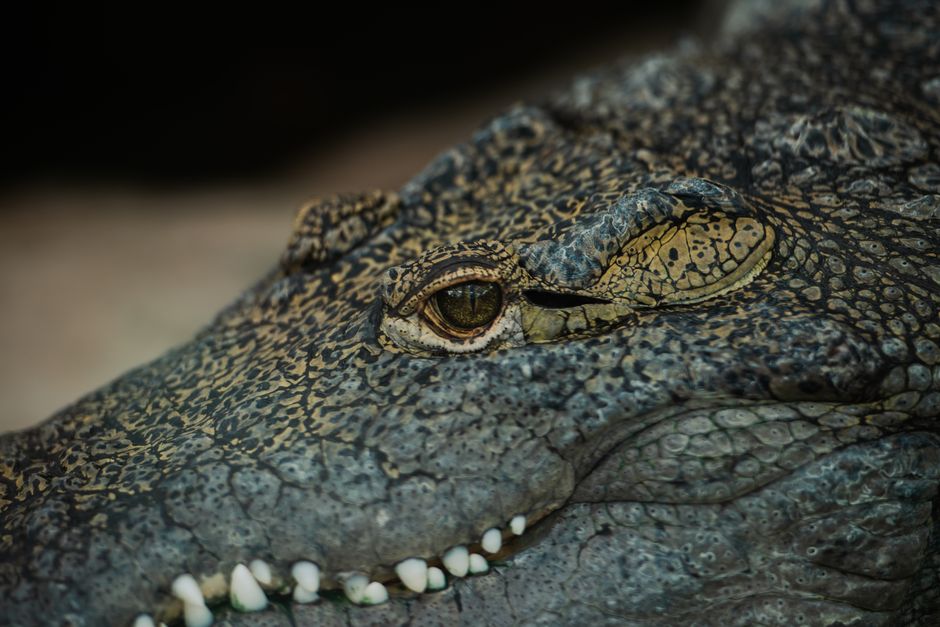
Alligators in Florida eat fish, turtles, birds, snakes, frogs, small mammals, and other reptiles. They also take larger prey like deer, wild pigs, and raccoons when they can catch them. As opportunistic predators, they eat whatever animals they can reach and overpower, and their diet shifts with age, season, and available prey.
That simple answer hides a lot of interesting biology. A hatchling alligator and a 12-foot adult eat very different things. And what an alligator eats depends heavily on where it lives in Florida, from the Everglades to neighborhood retention ponds.
What Do Alligators Eat In Florida An Apex Predators Diet?
Florida alligators are generalist carnivores. They do not specialize in one prey type. They eat what is abundant, catchable, and the right size for their body.
Their diet falls into a few broad categories:
- Fish — a staple for alligators of all sizes, especially in shallow water and along marsh edges
- Turtles — including softshell turtles and cooters; alligators crush shells with their jaw and teeth
- Birds — wading birds, waterfowl, and occasionally birds that come to the water’s edge
- Reptiles and amphibians — snakes, frogs, smaller alligators, and lizards
- Mammals — raccoons, opossums, nutria, wild pigs, and deer, mostly when the animal is near water or drinking
- Carrion — dead animals, which alligators readily scavenge
Invertebrates like crayfish, snails, and insects make up a larger share of the diet in young alligators than in adults. The general pattern is that prey size grows with the alligator.
How Does an Alligator’s Diet Change With Age and Size?
An alligator’s jaw size and body strength set hard limits on what it can eat. This is why diet changes so much over an alligator’s life.
Young alligators, roughly the first few years of life, eat mostly small prey. Insects, snails, crayfish, small fish, and frogs dominate. At this stage the alligator is also prey itself, so it stays in dense vegetation and shallow water.
As the animal grows, fish, turtles, and small mammals become more important. A mature adult can take prey approaching its own size, including deer and wild pigs. Adults also eat smaller alligators, which is a well-documented form of cannibalism in the species.
This size-based shift is common among crocodilians. It means an alligator’s role in its ecosystem changes as it grows. A hatchling is a small predator and a potential meal. A large adult sits at the top of the food chain with few natural threats.
Why Are Alligators Called Apex Predators in Florida?
An apex predator is an animal with no regular predators of its own as an adult. In Florida, adult alligators fit that description.
Large alligators have no consistent natural enemy. Humans are the main cause of adult alligator death, through hunting, vehicle strikes, and removal from populated areas. Otherwise, a big adult alligator is at the top of its food web.
That top position has real ecological effects. Alligators control populations of fish, turtles, and small mammals. They also create habitat. Alligator nests and “gator holes” — depressions they keep open in wetlands — hold water during dry periods and provide refuge for other animals. Some researchers describe alligators as ecosystem engineers for this reason, because their activity changes the physical environment around them.
One clarification worth making: being an apex predator does not mean alligators eat only large animals. Most of an alligator’s diet by volume and by number is modest-sized prey. The “apex” label describes their position in the food web, not the size of every meal.
Do Alligators Eat Deer, Wild Pigs, and Pets?
Yes. Large alligators can and do take deer, wild pigs, raccoons, and other sizable mammals. These are not everyday meals, but they happen, usually when the animal comes to the water to drink or crosses a shoreline.
Dogs are a documented risk near alligator water. Alligators near homes and parks can associate people and pets with food, and small dogs are within the size range an alligator can take. Florida wildlife guidance is consistent on this point: keep pets on a leash and away from the water’s edge in areas where alligators live.
What alligators generally do not do is hunt large prey on land far from water. They are ambush predators built for short bursts, not long chases. Their body design favors a sudden strike from the water’s edge.
How Do Alligators Hunt and Eat Their Prey?
Alligators are ambush hunters. They wait, often with only their eyes and nostrils above the surface, then strike when prey comes close.
Their bite is built for gripping and holding, not chewing. Alligators have a powerful closing bite but weak opening muscles, and their teeth are adapted for seizing prey. Because they cannot chew, they swallow small prey whole and use a “death roll” to tear apart larger animals.
Alligators also cache food. They may wedge a large carcass under a log or bank to soften it before eating. This behavior is well documented and reflects how alligators handle prey too big to swallow at once.
Feeding is also temperature-dependent. Alligators are ectotherms, meaning their body temperature follows the environment. In cool weather they eat far less. During Florida’s cooler months, alligators may go weeks without eating and become largely inactive.
What Do Baby Alligators Eat?
Hatchling and juvenile alligators eat small invertebrates and small vertebrates. Insects, snails, crayfish, small fish, and frogs are common foods.
Young alligators are vulnerable. They are eaten by birds, larger fish, raccoons, otters, and adult alligators. Their diet and behavior are shaped by the need to stay hidden in vegetation and shallow water. Mothers do guard nests and young for a period, which improves survival, but many hatchlings do not reach adulthood.
No clinical or dietary guidelines exist for feeding captive alligators here, and this article is not about captive care. The point is simply that a young alligator’s diet is dominated by small prey it can handle safely.
Are Alligators Dangerous to People in Florida?
Alligators can be dangerous, but attacks on people are uncommon. The risk rises when people feed alligators, swim in waters known to hold large alligators, or let pets near the water.
Alligators generally avoid people. Problems tend to involve alligators that have lost their fear of humans, often because they have been fed. Florida wildlife officials consistently advise against feeding alligators and against approaching or handling them.
This article is informational and not a safety protocol. For specific guidance on alligator encounters, contact the Florida Fish and Wildlife Conservation Commission. What is well established is that feeding wild alligators is illegal in Florida and increases risk to people and pets.
How Does Florida’s Habitat Shape What Alligators Eat?
Florida’s wetlands, marshes, lakes, rivers, and canals give alligators access to a wide range of prey. The Everglades, with its mix of freshwater marsh and seasonal water levels, concentrates prey and predators together.
Diet varies by habitat. Alligators in coastal and brackish water may take crabs and other estuarine animals. Alligators in suburban retention ponds often eat fish, turtles, and whatever else lives in that small system, including waterfowl and occasionally pets.
Season matters too. Warm months bring high feeding activity. Cool months slow metabolism and reduce feeding. This pattern is driven by temperature and is consistent across the species.
What Role Do Alligators Play in the Food Web?
Alligators connect food webs across water and land. They eat aquatic prey and land animals that come to water, and they are eaten by almost nothing as adults.
Their feeding affects prey populations, and their nest-building and gator holes affect other species. In this sense the alligator’s diet is not just about what it eats. It is about how a top predator shapes the wetland around it.
That is the practical takeaway for anyone curious about Florida alligators. They eat a wide and shifting mix of animals, they eat far less in cool weather, and their position as an apex predator comes from having no regular natural enemy as adults. The rest of their diet story is about size, habitat, and opportunity.
Frequently Asked Questions
What is the main food of Florida alligators?
Fish, turtles, birds, snakes, frogs, and small mammals make up most of the diet. Large adults also take deer, wild pigs, and raccoons when they can catch them.
Do alligators eat people?
Attacks on people are uncommon, and alligators generally avoid humans. Risk rises when alligators are fed by people or when someone swims in water known to hold large alligators.
Do alligators eat in winter in Florida?
They eat much less. Alligators are ectotherms, so cool weather slows their metabolism and they may go weeks with little or no food.
Do alligators eat other alligators?
Yes. Adult alligators eat smaller alligators, and this cannibalism is well documented. Young alligators are also prey for birds, raccoons, otters, and larger fish.
