
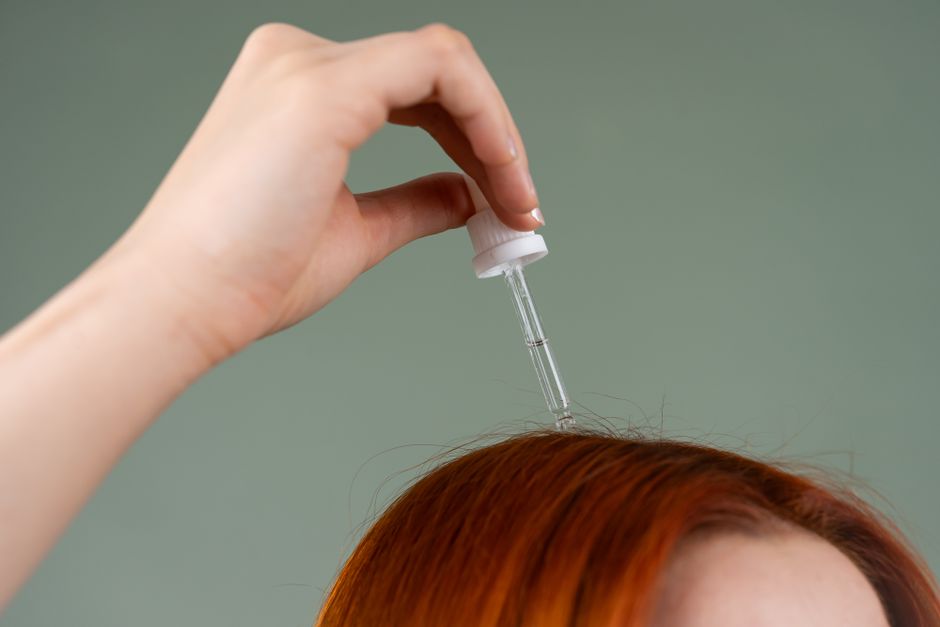
Hair loss can be a frustrating and stressful experience. While genetics and aging play a major role for many people, sometimes the root cause is nutritional. Deficiencies in certain vitamins and minerals can disrupt the hair growth cycle, leading to increased shedding and thinning. The most common deficiencies linked to hair loss are iron, vitamin D, zinc, and B vitamins, particularly vitamin B12 and biotin. Correcting these shortfalls can often stop the shedding and allow hair to regrow, but it requires identifying the exact deficiency first.
How Nutrient Deficiencies Affect Your Hair
Hair is one of the fastest-growing tissues in the body. That makes it highly sensitive to changes in your internal environment. When your body lacks the raw materials needed for cell division and protein synthesis, it prioritizes essential functions like keeping your heart and brain working. Hair growth gets pushed down the list.
Each hair follicle goes through phases: growth, transition, and rest. A deficiency can push a large number of follicles into the resting phase at the same time. This leads to a condition called telogen effluvium, where you shed noticeably more hair than usual, often a few months after the deficiency begins. The good news is that this type of hair loss is usually temporary and reversible once the nutrient levels are restored.
Iron Deficiency and Hair Shedding
Iron deficiency is one of the most common causes of hair loss in women, particularly those with heavy menstrual periods. Iron is a key component of hemoglobin, which carries oxygen to all cells in the body, including hair follicles. Without enough oxygen, the follicles cannot sustain rapid hair growth.
Research has consistently found a link between low ferritin levels and hair loss. Ferritin is the stored form of iron in your body. Many dermatologists check this level when a patient reports unexplained shedding. While normal ferritin ranges vary by lab, levels below 30 ng/mL are often considered insufficient for healthy hair growth, even if they are not classified as full-blown anemia.
If you suspect low iron, ask your doctor for a complete blood count and a ferritin test. Do not self-supplement with high-dose iron without testing, because excess iron can be harmful.
Vitamin D Deficiency and Hair Thinning
Vitamin D plays a role in the creation of new hair follicles. It also helps regulate the hair growth cycle. Low levels of vitamin D have been associated with several forms of hair loss, including telogen effluvium and alopecia areata, an autoimmune condition that causes patchy hair loss.
The exact mechanism is not fully understood, but studies show that vitamin D receptors are present in hair follicles. When these receptors are not activated due to low vitamin D, the follicles cannot function normally. Many people are deficient in vitamin D, especially those who live in northern climates or spend most of their time indoors.
A simple blood test can measure your vitamin D levels. If they are low, your doctor may recommend a supplement. The optimal range for general health is often cited as 30 to 50 ng/mL, but some experts suggest higher levels for hair regrowth.





Zinc Deficiency and Hair Integrity
Zinc is a trace mineral that supports over 300 enzymes in the body. It is critical for cell division, protein synthesis, and tissue repair. Hair follicles rely on zinc to maintain their structure and to support the rapid turnover of cells that produces new hair shafts.
Severe zinc deficiency is rare, but mild deficiency is more common than many people realize. It can lead to brittle hair, increased shedding, and even scalp problems like dry, flaky skin. People at higher risk include those with digestive disorders like Crohn’s disease, vegetarians, and pregnant women.
Foods rich in zinc include oysters, beef, pumpkin seeds, and lentils. If you take a zinc supplement, keep the dose moderate. High doses of zinc over time can cause copper deficiency, which itself can lead to hair loss.
B Vitamins: B12 and Biotin
The B vitamins are a group of eight water-soluble nutrients that help convert food into energy. Two of them get special attention when it comes to hair: vitamin B12 and biotin.
Vitamin B12 is essential for red blood cell production and DNA synthesis. A deficiency can impair the delivery of oxygen to hair follicles, similar to iron deficiency. B12 deficiency is more common in older adults, vegans, and people with pernicious anemia, a condition where the body cannot absorb B12 properly.
Biotin, also known as vitamin B7, is often marketed as a hair growth miracle. The truth is more nuanced. Biotin deficiency does cause hair loss and brittle nails, but true biotin deficiency is very rare. Most people get enough biotin from their diet, and the body recycles it efficiently. Taking high-dose biotin supplements has not been shown to improve hair growth in people who already have adequate levels.
One important note: high doses of biotin can interfere with certain lab tests, including thyroid function tests and cardiac troponin tests. If you take a biotin supplement, tell your doctor before any blood work.
Other Deficiencies That Can Contribute
While iron, vitamin D, zinc, and B vitamins are the most common culprits, other nutrients matter too. Vitamin C is needed for iron absorption and collagen production, which gives structure to hair. Selenium and vitamin E act as antioxidants that protect hair follicles from oxidative stress.
Protein deficiency is also a factor. Hair is made almost entirely of a protein called keratin. If you follow a very low-protein diet, your body may not have the building blocks to produce new hair. This is sometimes seen in people with severe eating disorders or restrictive weight loss diets.
Essential fatty acids, particularly omega-3s, help keep the scalp healthy and may reduce inflammation that can affect hair follicles. A deficiency in these fats can lead to dry, lackluster hair.
How to Find Out if a Deficiency Is Causing Your Hair Loss
The only reliable way to know if a deficiency is causing your hair loss is to get blood tests. Guessing and taking random supplements can waste money and may not solve the problem. It can also mask other underlying health issues.
Ask your doctor about testing for:
- Ferritin and complete blood count
- Vitamin D (25-hydroxyvitamin D)
- Zinc and B12 levels
- Thyroid panel (thyroid disorders can also cause hair loss)
If a deficiency is found, your doctor can recommend the appropriate supplement and dosage. Do not take high-dose supplements without a confirmed deficiency. Some vitamins, like iron and vitamin A, can be toxic in high amounts.
It is also worth noting that hair loss can have multiple causes at once. A deficiency may be contributing, but stress, hormonal changes, medications, and genetics can all play a role. Addressing a deficiency may improve your hair, but it may not fully restore it if other factors are at play.
What to Expect After Correcting a Deficiency
Hair regrowth takes time. Even after you correct a deficiency, you will not see results overnight. The hair growth cycle is slow, and it can take three to six months before you notice new growth and reduced shedding.
Be patient and consistent with your treatment. If you are taking a supplement, take it as directed. If you are improving your diet, give it time to take effect. Shedding often decreases first, followed by the appearance of new, shorter hairs.
If you have been treating a deficiency for several months and see no improvement, go back to your doctor. There may be another cause for your hair loss that needs investigation. A scalp biopsy or additional testing may be warranted in some cases.
Frequently Asked Questions
Can low iron cause hair loss?
Yes. Iron deficiency is a well-established cause of hair shedding, especially in women. Low ferritin levels can disrupt the hair growth cycle even without full anemia.
How long after taking vitamins does hair grow back?
It typically takes three to six months to see visible improvement after correcting a deficiency. Hair grows slowly, so new growth takes time to become noticeable.
Does biotin really help with hair loss?
Biotin only helps if you have a true biotin deficiency, which is rare. Most people already have enough biotin, and high-dose supplements do not stimulate hair growth in people with normal levels.
What vitamin deficiency causes the most hair loss?
Iron and vitamin D deficiencies are the most commonly linked to hair loss in clinical practice. Both are easily tested and treatable with proper supplementation.
