
Ovulation typically happens around day 14 of a 28-day menstrual cycle. But most women do not have a perfect 28-day cycle. The more accurate rule is that ovulation occurs about 14 days before your next period starts, not 14 days after your last one ended. This timing can shift from month to month, and understanding how it works matters if you are trying to conceive or avoid pregnancy.
How Is Ovulation Day Calculated?
Your menstrual cycle is counted from the first day of one period to the first day of the next. The average cycle lasts 28 days, but anything from 21 to 35 days is considered normal for adults.
The cycle has two main phases. The first phase, called the follicular phase, can vary in length. The second phase, called the luteal phase, is more fixed. In most women, the luteal phase lasts about 14 days. This is why ovulation is calculated by counting backward from your expected next period.
So if you have a 28-day cycle, ovulation lands on day 14. If your cycle is 32 days, ovulation lands around day 18. If your cycle is 24 days, ovulation lands around day 10. The day of ovulation shifts with the length of your cycle.
What Day Is Ovulation In A Cycle That Is Irregular?
Irregular cycles make ovulation harder to predict. If your cycle length changes from month to month, counting days alone will not give you an accurate answer.
For example, a woman with cycles ranging from 26 to 34 days could ovulate anywhere from day 12 to day 20. The 14-day rule only works reliably when you know your typical cycle length.
If your cycles are consistently shorter than 21 days or longer than 35 days, talk to a healthcare provider. This pattern can signal hormonal issues that affect ovulation, such as polycystic ovary syndrome (PCOS) or thyroid problems.
What Happens Physically During Ovulation?
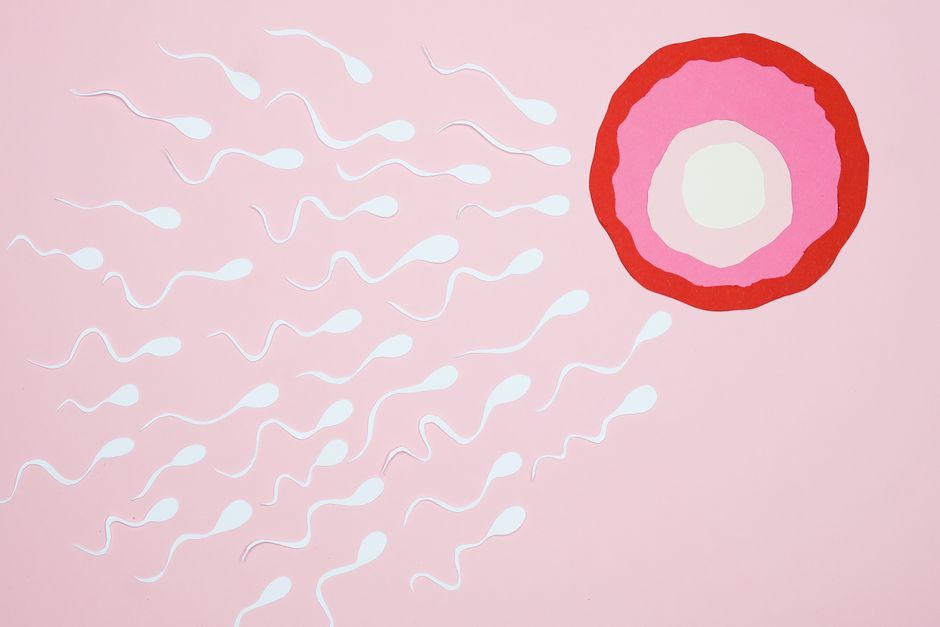
Ovulation is the release of a mature egg from one of your ovaries. The egg travels into the fallopian tube, where it can meet sperm for fertilization.
The process is driven by hormones. A surge in luteinizing hormone (LH) triggers the release of the egg. This LH surge happens about 24 to 36 hours before ovulation. After release, the egg survives for about 12 to 24 hours. Sperm can survive inside the female reproductive tract for up to five days.
This means your fertile window is roughly six days long. It includes the five days before ovulation and the day of ovulation itself. Conception is most likely when intercourse happens in the two to three days leading up to ovulation.





What Are the Signs of Ovulation?
Your body gives off signals that ovulation is approaching. Paying attention to these can help you identify your personal ovulation day.
Common signs include:
- Cervical mucus changes: It becomes clear, slippery, and stretchy, similar to raw egg whites
- Mild pelvic pain: Some women feel a twinge or cramp on one side of the lower abdomen
- Basal body temperature rise: Your temperature drops slightly then rises about 0.5 to 1 degree Fahrenheit after ovulation
- Breast tenderness: Hormone changes can make breasts feel sore
- Increased sex drive: Some women notice a natural boost in libido around ovulation
These signs are helpful but not foolproof. Cervical mucus changes and temperature tracking require daily attention. Temperature only confirms ovulation happened after the fact. It does not predict ovulation in real time.
How Can You Track Ovulation Accurately?
Several methods can help you pinpoint ovulation day. Each has different levels of accuracy and effort.
Ovulation predictor kits detect the LH surge in urine. These are widely available at pharmacies. A positive result means ovulation will likely occur within the next 24 to 36 hours. These kits are about 97 percent accurate at detecting the LH surge when used correctly.
Fertility monitors track multiple hormones, including estrogen and LH. They can give you more advance notice than standard ovulation strips. Some devices also track resting heart rate and skin temperature.
Calendar tracking apps use your cycle history to predict future ovulation. They work best for women with regular cycles. For irregular cycles, apps are less reliable because they rely on averages rather than real-time hormone data.
Blood tests can measure progesterone levels in the second half of your cycle. A high progesterone level confirms ovulation occurred. This test must be done by a doctor and cannot predict ovulation in advance.
Does the Day of Ovulation Affect Baby’s Sex?
No reliable scientific evidence supports the idea that timing intercourse on a specific ovulation day determines whether you conceive a boy or a girl. This theory, often called the Shettles method, suggests that sperm carrying the Y chromosome swim faster while sperm carrying the X chromosome live longer.
Some research has explored this idea, but results have been inconsistent. No large, well-controlled study has confirmed that ovulation timing can select for a baby’s sex. If you are trying to influence the sex of your baby through timing, the evidence does not currently support this approach.
Can You Ovulate More Than Once Per Cycle?
Most women release only one egg per cycle. However, research using ultrasound monitoring has shown that some women experience multiple waves of follicle development in a single cycle.
This does not mean you can ovulate twice on different days and get pregnant from both. True double ovulation, where two eggs are released and both are fertilized, results in fraternal twins. This happens in about 1 to 2 percent of natural pregnancies.
The practical takeaway is that ovulation itself is a single event in each cycle. Your fertile window surrounds that one event.
What If You Never Detect Ovulation?
Not ovulating every month is common. Even women with regular periods can have an occasional anovulatory cycle, where no egg is released.
If you track for several months and never see signs of ovulation, or if your cycles are very irregular, seek medical advice. A doctor can run blood tests to check hormone levels and may recommend ultrasound monitoring to see if follicles are developing properly.
Conditions that interfere with ovulation include PCOS, premature ovarian insufficiency, thyroid disorders, and high prolactin levels. Extreme stress, significant weight loss or gain, and intense athletic training can also suppress ovulation.
Treatment depends on the underlying cause. Some women respond to lifestyle changes. Others need medication to stimulate ovulation. A fertility specialist can guide you through the options based on your specific situation.
Does Age Change Ovulation Day?
Age affects egg quality and quantity, but it does not directly change which day you ovulate. The timing of ovulation within a cycle is driven by hormones, not by your age.
However, as women approach menopause, cycles often become irregular. This can make predicting ovulation harder. Perimenopause, the transition years before menopause, can bring skipped cycles and unpredictable ovulation patterns.
If you are over 35 and trying to conceive, talk to your doctor after six months of trying without success. If you are over 40, seek guidance after three months. Age-related fertility decline is well documented, and earlier evaluation can help identify issues sooner.
What Are Common Myths About Ovulation Timing?
Several myths about ovulation day persist despite being inaccurate.
Myth: Ovulation always happens on day 14. This only applies to a textbook 28-day cycle. Most women do not ovulate on day 14 every month.
Myth: You can get pregnant any day of your cycle. Pregnancy is only possible during the fertile window. Outside of that window, no egg is available for fertilization.
Myth: A regular period means you are ovulating. Some women have regular bleeding but do not ovulate. This is called anovulatory bleeding, and it can look like a normal period.
Myth: Ovulation pain confirms the egg was released. Mittelschmerz, the medical term for ovulation pain, happens in some women but not all. Its presence does not guarantee that ovulation occurred.
Frequently Asked Questions
Can I get pregnant if I have sex 5 days before ovulation?
Yes. Sperm can survive inside the female reproductive tract for up to five days. Intercourse in the five days before ovulation can result in pregnancy.
How many days after ovulation can I take a pregnancy test?
Most home pregnancy tests can detect pregnancy about 12 to 14 days after ovulation. Testing too early can produce a false negative because hCG levels may still be too low.
Does ovulation happen in the morning or at night?
Ovulation timing within a day varies from woman to woman. The LH surge that triggers ovulation typically begins in the early morning, but the actual release of the egg can happen many hours later.
Can stress delay ovulation?
Yes, stress can delay ovulation by affecting the hormones that control the menstrual cycle. High stress levels can suppress the LH surge or delay follicle development.
