
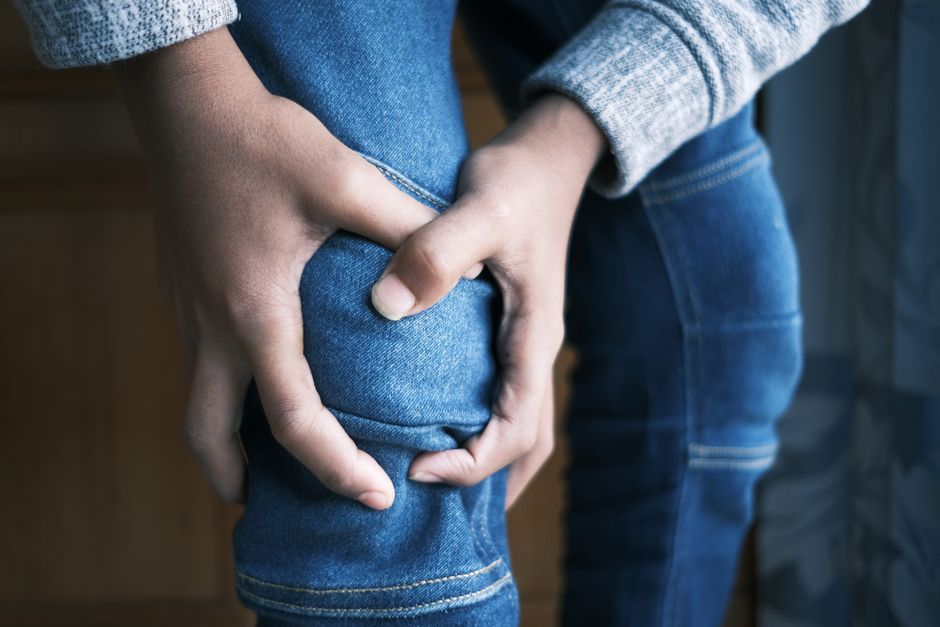
Lower back pain is one of the most common reasons adults see a doctor, and women experience it at higher rates than men in many age groups. The causes range from ordinary muscle strain to conditions that need medical care. Most cases improve without surgery, but the reason behind the pain matters for choosing the right treatment.
Common causes include muscle and ligament strain, disc problems, arthritis, and gynecologic conditions such as endometriosis. Less often, kidney problems or spinal fractures are responsible. Knowing which category fits your symptoms helps you and your doctor decide what to do next.
What Could Cause Lower Back Pain in Women?
The most frequent cause is mechanical strain. Muscles, ligaments, and joints in the lower back can be overstretched or injured by lifting, twisting, or sitting poorly for long periods. This type of pain usually starts suddenly and improves within days to weeks.
Disc-related problems are another major category. The discs between vertebrae can bulge or tear, sometimes pressing on a nerve. This often produces pain that travels down one leg, a pattern doctors call sciatica. Disc degeneration becomes more common with age and is visible on imaging in many adults who have no pain at all.
Arthritis of the spine, including osteoarthritis and inflammatory types such as ankylosing spondylitis, can cause chronic lower back pain. Inflammatory back pain tends to be worse at night and in the morning, and it improves with movement rather than rest. This pattern is different from mechanical pain, which usually feels worse with activity.
Women also have causes tied to the reproductive system. Endometriosis, uterine fibroids, and ovarian cysts can all produce lower back pain. Pelvic inflammatory disease and other infections may cause pain that radiates to the back. These conditions usually come with other symptoms, such as pelvic pain, unusual discharge, or changes in menstrual bleeding.
Less common but serious causes include kidney stones or kidney infection, spinal fractures from osteoporosis, and in rare cases tumors or infections of the spine. These need prompt medical attention.
How Do Women’s Anatomy and Life Stages Affect Lower Back Pain?
Women have a different pelvic structure than men, which changes how load is distributed through the lower spine. A wider pelvis can alter the angle of the hip and sacroiliac joints. These joints connect the spine to the pelvis and are a common source of pain, especially after pregnancy.
Pregnancy is a major factor. Weight gain shifts the center of gravity forward, and hormones loosen ligaments throughout the body in preparation for childbirth. This combination puts extra strain on the lower back and pelvic joints. Many women notice pain that lingers after delivery, though it often improves over time.
Menopause brings another shift. Falling estrogen levels are linked to faster bone loss, which raises the risk of osteoporosis and compression fractures in the spine. A compression fracture can cause sudden, sharp back pain that gets worse when standing or walking. Women should discuss bone density screening with their doctor around the time of menopause, since the timing of routine screening is a decision best made with clinical guidance.
Menstrual cycle changes can also play a role. Some women notice lower back pain just before or during their period, related to uterine contractions and hormonal shifts. This is usually mild and predictable, but pain that is severe or getting worse over time deserves evaluation.
When Is Lower Back Pain a Medical Emergency?
Most lower back pain is not an emergency. However, certain symptoms mean you should seek care right away. These are sometimes called red flags, and doctors are trained to check for them.
- Loss of bladder or bowel control
- Numbness or weakness in both legs, or in the groin and inner thigh area
- Pain after a fall or major injury, especially if you have osteoporosis
- Fever, chills, or unexplained weight loss along with back pain
- Pain that is severe at night and does not change with position
- A history of cancer with new back pain
These symptoms can point to a serious problem such as a spinal cord compression, infection, or fracture. They are uncommon, but they need urgent evaluation. Do not wait to see if they improve on their own.





How Is the Cause of Lower Back Pain Diagnosed?
Doctors start with a medical history and physical exam. They ask about when the pain started, what makes it better or worse, and whether it travels down your legs. The physical exam checks strength, reflexes, and sensation.
Imaging is not always needed. For most people with recent onset pain and no red flags, guidelines recommend against routine imaging in the first several weeks. Many disc bulges and arthritic changes show up on scans in people without any pain, so findings do not always explain the symptoms.
Imaging becomes useful when red flags are present, when pain lasts longer than expected, or when surgery is being considered. Options include X-rays, MRI, and CT scans. Blood tests may help check for infection or inflammation. If a gynecologic cause is suspected, a pelvic exam or ultrasound may be ordered.
Getting the right diagnosis matters because treatment differs. A muscle strain, a disc problem, and endometriosis are managed in very different ways.
What Treatments Help Lower Back Pain in Women?
For most cases, staying active is better than resting in bed. Bed rest for more than a day or two can actually make pain worse and slow recovery. Gentle movement, walking, and avoiding heavy lifting help most people improve.
Over-the-counter pain relievers such as acetaminophen or nonsteroidal anti-inflammatory drugs (NSAIDs) are commonly used. NSAIDs like ibuprofen can reduce pain and inflammation, but they carry risks, including stomach bleeding and kidney strain, especially with long-term use. Talk to your doctor before using them regularly, and always follow the label.
Physical therapy is one of the most supported treatments for chronic lower back pain. It focuses on strengthening the core and back muscles, improving flexibility, and teaching safe movement. Heat and cold packs can ease discomfort. Some clinicians recommend spinal manipulation or acupuncture, though evidence for these is mixed.
For nerve-related pain, doctors may prescribe other medications. Injections of steroids into the spine are sometimes used for severe radiating pain, but they are not a long-term fix and are usually reserved for specific situations. Surgery is considered when there is nerve damage, a serious structural problem, or pain that does not improve with other treatment.
If the cause is gynecologic, treatment targets that condition. This might include hormonal therapy, medication, or surgery for endometriosis or fibroids. Treating the underlying problem often relieves the back pain.
Can You Prevent Lower Back Pain?
You cannot prevent every case, but some habits lower your risk. Regular exercise that strengthens the core and back is one of the most reliable steps. Activities like walking, swimming, and strength training support the muscles that stabilize the spine.
Good posture and safe lifting matter. When lifting, bend your knees, keep the load close to your body, and avoid twisting. If you sit for long periods, take breaks to stand and stretch.
Maintaining a healthy weight reduces strain on the lower back. Not smoking also helps, since smoking is linked to poorer blood flow to spinal discs and faster disc degeneration. For women approaching menopause, protecting bone health through adequate calcium and vitamin D, and discussing screening with a doctor, can reduce fracture risk.
None of these steps guarantee you will never have back pain. But they reduce the odds and can make episodes shorter when they happen.
What Does the Evidence Say About Supplements for Back Pain?
Most supplements marketed for back pain have weak or no supporting evidence. This is an area where marketing often runs ahead of science. If you are considering a supplement, it is worth knowing what the research actually shows.
Some small studies have looked at vitamin D for people with deficiency and chronic pain, but results are mixed and not strong enough to recommend it as a general treatment. Turmeric and its compound curcumin have been studied for inflammation, but trials in back pain are limited and often low quality. Glucosamine and chondroitin, popular for joint pain, have not shown consistent benefit for back pain in larger studies.
No supplement is proven to cure or reverse the causes of lower back pain. Some may help with symptoms for some people, but the evidence is limited. Supplements can also interact with medications or cause side effects, so check with your doctor before starting any.
The most honest position is this: management, not cure, is usually the realistic goal for chronic back pain. That does not mean giving up. It means focusing on strategies with real evidence, like exercise and physical therapy, and being skeptical of products that promise more than they can deliver.
Frequently Asked Questions
What is the most common cause of lower back pain in women?
Muscle and ligament strain is the most common cause, often from lifting, twisting, or poor posture. It usually improves within days to weeks with activity and over-the-counter pain relief.
Can endometriosis cause lower back pain?
Yes, endometriosis can cause lower back pain, especially during periods or with pelvic pain. It often comes with other symptoms like painful periods or pain during sex, so see a doctor if these occur together.
When should I worry about lower back pain?
Seek urgent care if you lose bladder or bowel control, have numbness in both legs or the groin, or have back pain with fever or unexplained weight loss. These are red flags for serious conditions that need prompt evaluation.
Does bed rest help lower back pain?
No, prolonged bed rest usually makes lower back pain worse and slows recovery. Staying gently active and avoiding heavy lifting is generally better than resting in bed for more than a day or two.
