
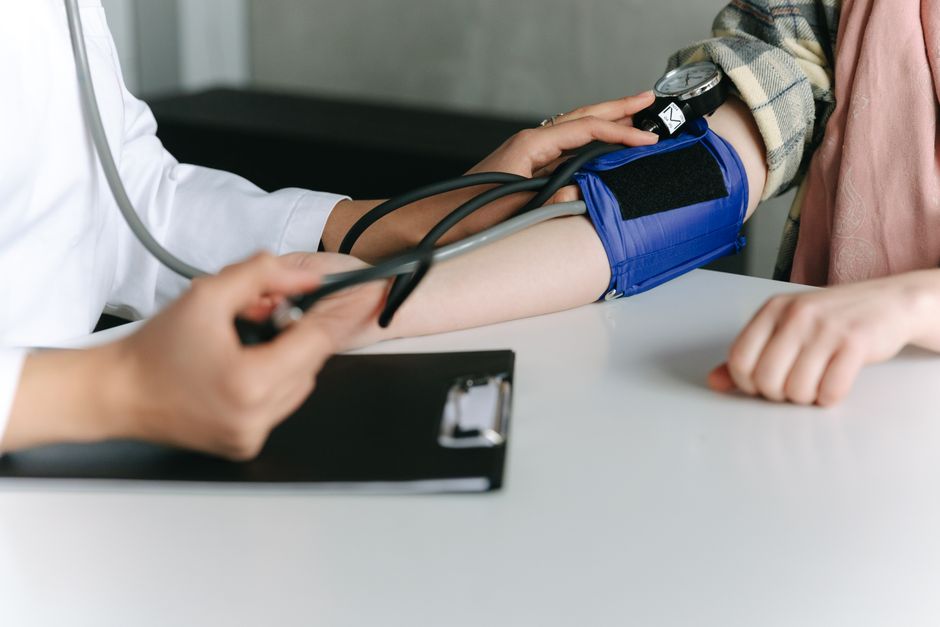
Low blood pressure, or hypotension, happens when blood pressure drops low enough that the brain and other organs may not get enough blood flow. Common causes include dehydration, blood loss, certain medications, heart problems, hormonal disorders, severe infection, and sudden standing. Doctors generally consider blood pressure below 90/60 mmHg to be low, though a reading only matters if it causes symptoms.
What Blood Pressure Numbers Actually Mean
Blood pressure is written as two numbers. The top number, systolic pressure, measures the force in your arteries when your heart beats. The bottom number, diastolic pressure, measures the force when your heart rests between beats.
A normal reading is generally around 120/80 mmHg. Low blood pressure is commonly defined as below 90/60 mmHg. But that number alone does not tell the full story.
Some people live their whole lives at 90/60 or even lower with no problems at all. For them, low is simply normal. Others feel faint and dizzy at 100/70. The reading is a clue, not a diagnosis. Symptoms and context matter more than the number by itself.
This is a point worth stating clearly: there is no single cutoff that defines dangerous low blood pressure. A doctor looks at the reading, the symptoms, and what is happening in your body at that moment.
What Could Cause Low Blood Pressure Key Conditions?
Low blood pressure has many possible causes, and they fall into a few broad groups. Some are temporary and easy to correct. Others point to a health problem that needs medical attention.
Here are the main categories doctors consider.
Dehydration and Blood Loss
When your body loses fluid, your blood volume drops. Less blood in your vessels means lower pressure. This is one of the most common and most reversible causes.
Dehydration can come from not drinking enough, heavy sweating, vomiting, diarrhea, or fever. Significant blood loss does the same thing, and faster. Internal bleeding after an injury or from a medical condition can cause a dangerous drop without any visible blood.
Blood loss is a medical emergency when it is large or ongoing. Call for help if low blood pressure follows an injury, vomiting blood, or black stools.
Medications
Many common medicines lower blood pressure as a side effect. This is called medication-induced hypotension, and it is more common in older adults.
- Blood pressure medicines, especially when the dose is too high
- Diuretics, which remove fluid from the body
- Some antidepressants and medicines for Parkinson’s disease
- Certain drugs for erectile dysfunction
- Some heart medicines, including those that slow the heart
If you feel dizzy or faint after starting or changing a medicine, tell your doctor. Do not stop a prescribed medicine on your own.
Heart Problems
The heart must pump hard enough to keep pressure up. When it cannot, blood pressure falls. Heart conditions that can cause this include a very slow heart rate, a very fast heart rate, heart valve disease, heart attack, and heart failure.
Low blood pressure from a heart problem is serious. It usually comes with other signs like chest pain, shortness of breath, or an irregular pulse, and it needs urgent medical care.
Hormonal and Endocrine Disorders
Hormones help regulate blood pressure. When certain hormones are low or the body does not respond to them normally, pressure can drop.
Conditions include Addison’s disease, where the adrenal glands do not make enough of certain hormones, and low thyroid function. Diabetes can also cause low blood pressure after eating or when standing, because of nerve damage that affects blood flow control.
Severe Infection
A severe infection that spreads through the body can cause a dangerous drop in blood pressure called septic shock. This is a life-threatening emergency. Signs include fever, confusion, rapid breathing, and a fast heart rate along with very low pressure.
Nervous System Problems
Your nervous system constantly adjusts blood pressure as you change position and go about your day. When that system is damaged, these adjustments fail.
Conditions such as Parkinson’s disease and diabetes-related nerve damage can interfere with the signals that keep blood pressure steady. This often shows up as dizziness when standing.
Standing Up Quickly
Orthostatic hypotension is a drop in blood pressure that happens when you stand up from sitting or lying down. Gravity pulls blood into your legs, and for a moment the brain gets less blood.
It is common and often mild. It becomes more frequent with age, dehydration, and some medicines. Doctors often check for it by measuring blood pressure while lying down and again after standing.
Eating, Especially Large Meals
Some people, particularly older adults, feel lightheaded after eating. This is called postprandial hypotension. Blood flows to the digestive system after a meal, and the body must adjust pressure to keep the brain supplied. For some people that adjustment is imperfect.
Which Causes Are Serious and Which Are Not?
Most low blood pressure is not dangerous. Many people with readings below 90/60 feel fine and need no treatment. The concern rises when low pressure causes symptoms or signals a deeper problem.
Seek emergency care for low blood pressure with any of these signs:
- Fainting or near-fainting
- Chest pain or shortness of breath
- Confusion or trouble staying awake
- Cold, clammy, pale skin
- Very fast or very slow heart rate
- Low pressure after an injury or heavy bleeding
Mild dizziness now and then is usually less urgent. Bring it up at your next visit, especially if it happens often or is getting worse.
What Symptoms Point to Low Blood Pressure?
Low blood pressure causes symptoms when the brain and other organs do not get enough blood. The most common are dizziness, lightheadedness, and fainting. Some people also notice blurred vision, nausea, fatigue, trouble concentrating, or a feeling of weakness.
Shock is the most severe form of low blood pressure. It is a medical emergency. Signs include confusion, rapid shallow breathing, a weak and fast pulse, and skin that is cold and clammy. Shock requires immediate emergency treatment.
One detail many people miss: a low reading with no symptoms is usually not treated. Doctors focus on the cause and the symptoms, not on pushing the number up for its own sake.
How Do Doctors Find the Cause?
Finding the cause starts with a conversation and a physical exam. Your doctor will ask about symptoms, when they happen, what you were doing, and what medicines you take. Position changes and meals are common clues.
Blood pressure is often measured in different positions, such as lying down and then standing. Blood tests can check for dehydration, hormone problems, and infection. An electrocardiogram can look at the heart’s rhythm. Other tests depend on what the exam suggests.
Some clinicians recommend keeping a record of when symptoms strike, what you ate, and how long you stood before feeling faint. That pattern often narrows the cause faster than any single test.
When Should You See a Doctor?
See a doctor if low blood pressure causes fainting, frequent dizziness, or falls, or if it comes with symptoms that worry you. Falls are a particular concern for older adults, since a fall can lead to serious injury.
Call emergency services right away for low blood pressure with chest pain, confusion, severe bleeding, or signs of shock. These are not wait-and-see situations.
For mild, occasional lightheadedness, a routine visit is reasonable. It gives your doctor a chance to review medicines and check for underlying causes before anything gets worse.
Frequently Asked Questions
What is considered dangerously low blood pressure?
There is no single number, but readings below 90/60 mmHg with symptoms like fainting, confusion, or cold clammy skin need urgent medical attention. The symptoms and situation matter more than the number alone.
Can dehydration cause low blood pressure?
Yes, dehydration is one of the most common causes because it reduces blood volume. Drinking fluids and replacing lost electrolytes often corrects it when the cause is simple fluid loss.
Why does my blood pressure drop when I stand up?
Standing pulls blood into your legs, and the body normally adjusts to keep pressure steady. When that adjustment is slow or impaired, blood pressure drops briefly, which is called orthostatic hypotension.
Is low blood pressure always a health problem?
No, many people live at readings below 90/60 with no symptoms and no health issues. Low blood pressure is only a concern when it causes symptoms or signals an underlying condition.
