
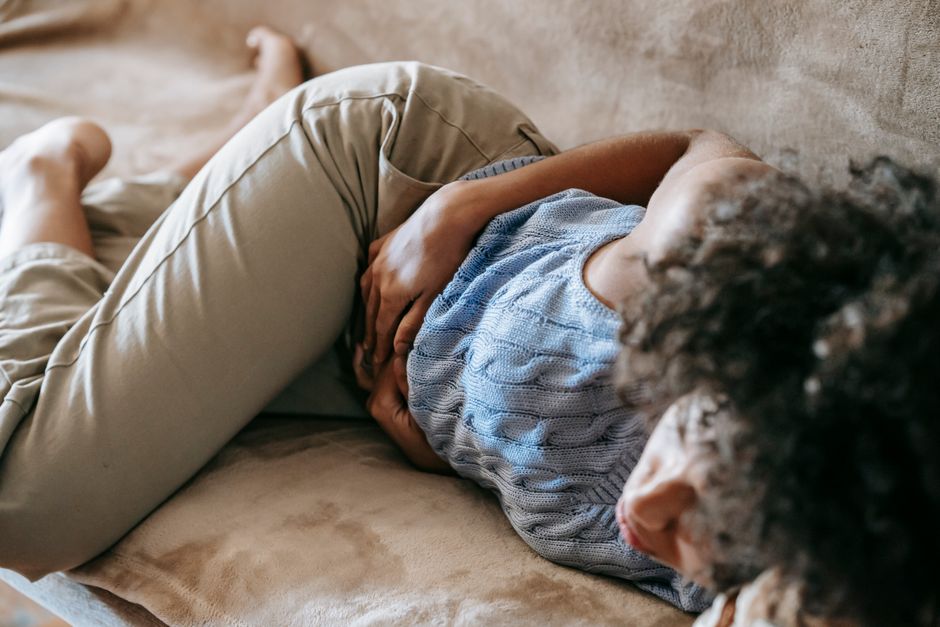
Kidney pain usually means something is irritating, stretching, or inflaming the kidney itself or the tube draining it. The most common cause by a wide margin is a kidney stone, followed by urinary tract infections that have reached the kidney, and blockage of urine flow. Muscle strain in the back is the most frequent look-alike, which is why location matters so much.
Where the pain sits and how it behaves are your best clues. True kidney pain is felt higher and deeper than most back pain, often on one side, and it tends to come in waves rather than staying constant. If you have fever, blood in your urine, or pain that will not ease, that is a reason to seek care quickly.
What Could Be The Cause Of Kidney Pain?
Doctors sort kidney pain into two broad buckets: something blocking the flow of urine, or something inflaming or injuring the kidney tissue. Stones and infections dominate both categories.
Kidney stones are the classic cause of severe, wave-like flank pain. A stone forms in the kidney, then tries to pass down the ureter — the narrow tube connecting kidney to bladder. When it lodges, urine backs up behind it and the kidney capsule stretches. That stretch is what produces the intense pain, which often radiates toward the groin. Stones are common; roughly one in eleven people in the US will have one at some point.
Kidney infection (pyelonephritis) usually starts as a bladder infection and travels upward. It typically brings fever, chills, nausea, and a dull ache in the flank rather than waves of pain. This is a different problem from a stone and needs prompt medical treatment.
Urinary blockage from other causes — an enlarged prostate, a tumor, scar tissue, or a blood clot — can also back urine up into the kidney and cause pain. The mechanism is the same as a stone: pressure builds, the kidney capsule stretches.
Less common causes include kidney cysts that bleed or grow large, injury from a fall or impact, a blood clot in the kidney vein, and certain medications that inflame kidney tissue. Polycystic kidney disease, an inherited condition, can cause pain as cysts enlarge over years. In each case the pain comes from the kidney capsule or the collecting system being stretched or irritated.
One clarification worth knowing: the kidneys themselves have almost no pain-sensitive nerves inside them. Nearly all kidney pain comes from the capsule surrounding the kidney or from the ureter. That is why a small stone can hurt far more than a large tumor — it is about blockage and stretch, not size.
How Do You Tell Kidney Pain From Back Pain?
Location and behavior separate them more reliably than intensity. Kidney pain sits higher and deeper than typical back strain, and it usually does not change when you bend or twist.
Kidney pain is generally felt in the flank — the area between the lower ribs and the top of the hip, toward the back and side. It is often one-sided. Back strain from muscles or the spine tends to sit lower, closer to the center, and worsens with movement, lifting, or certain postures.
A few practical differences:
- Movement: Muscle back pain usually changes with bending, twisting, or sitting. Kidney pain typically does not.
- Pattern: Stone pain comes in waves that build and fade. Muscle pain is steadier and tied to activity.
- Urinary signs: Blood in the urine, burning when you urinate, or needing to go often point toward the kidney or urinary tract.
- Fever and chills: These suggest infection and push the cause toward the kidney rather than the back.
- Nausea and vomiting: Common with stones and kidney infection, uncommon with muscle strain.
None of these are perfect. A clinician can check for tenderness by tapping over the kidney area, and urine testing often settles the question quickly. If you are unsure, that test is worth doing rather than guessing.
When Is Kidney Pain a Medical Emergency?
Certain combinations of symptoms mean you should not wait. Fever with flank pain is the clearest one — it raises concern for a kidney infection that could spread to the bloodstream.
Seek urgent care if you have:
- Fever, chills, or shaking with flank or back pain
- Pain so severe you cannot sit still or find a comfortable position
- Blood in your urine, or urine that is cloudy or foul-smelling
- Vomiting that prevents you from keeping fluids down
- Pain with confusion, weakness, or a rapid heartbeat
- Very little urine output, or none at all
A blocked kidney that stays blocked can lose function over time, and a kidney infection that reaches the blood is a serious condition. Neither is common, but both are treatable when caught early. When in doubt, get evaluated.
How Are the Causes of Kidney Pain Diagnosed?
Diagnosis starts with a urine sample and often an imaging scan. The urine test is fast and can show blood, infection, or crystals, which narrows the list quickly.
Imaging choices depend on the situation. A CT scan without contrast is highly accurate for detecting stones and is often the first choice in adults with suspected stones. Ultrasound is frequently used in children, in pregnancy, and when radiation exposure is a concern, though it can miss small stones. Sometimes a doctor orders blood tests to check how well the kidneys are filtering.
For suspected infection, a urine culture identifies the bacteria and guides antibiotic choice. For suspected blockage, imaging shows whether urine is backing up into the kidney — a finding called hydronephrosis. Each test answers a specific question, so the sequence usually depends on what the symptoms suggest.
What Does the Evidence Say About Treating Kidney Pain?
Treatment follows the cause, not the pain alone. Pain control helps, but it does not fix a blockage or clear an infection, so the underlying problem has to be addressed.
For small stones, many pass on their own with fluids and pain medication. Doctors commonly use nonsteroidal anti-inflammatory drugs such as ibuprofen for stone pain, though these should be avoided in people with reduced kidney function or certain other conditions — this is a decision for a clinician, not a self-treatment. Stones that are large, blocking, or not passing may need a procedure to break them up or remove them.
For kidney infection, antibiotics are the standard treatment, and severe cases may need intravenous antibiotics in a hospital. For blockage from an enlarged prostate or other cause, relieving the obstruction is the priority.
What does not have solid evidence behind it is a long list of home remedies marketed for kidney health — detox teas, kidney cleanse supplements, and similar products. No clinical evidence confirms these clear stones or treat infection, and some herbal products have been linked to kidney injury. That is worth knowing before spending money on them.
Can Kidney Pain Be Prevented?
Prevention depends on the cause, and for the most common one — stones — the evidence is strongest for one simple step: drinking enough water.
Higher fluid intake is consistently associated with fewer new stones in people who have had them before. The goal is enough urine output to keep the system diluted; many clinicians suggest aiming for pale, light-yellow urine as a practical marker. Beyond fluids, reducing sodium and getting adequate dietary calcium (from food, not supplements) is generally recommended for people who form stones, though individual advice varies with stone type.
For urinary infections, staying hydrated and urinating when you feel the need may help reduce risk, though the evidence here is less firm than for stones. For inherited conditions like polycystic kidney disease, prevention of pain is not really possible — management focuses on treating symptoms and protecting kidney function over time.
If you have repeated kidney pain, it is worth asking your doctor what is driving it. The cause usually points to what will actually help.
Frequently Asked Questions
What is the most common cause of kidney pain?
Kidney stones are the most common cause of severe kidney pain. They cause pain by blocking urine flow and stretching the kidney capsule, which is what produces the intense, wave-like flank pain.
How do I know if my back pain is actually my kidney?
Kidney pain is usually felt higher and deeper in the flank, often on one side, and it typically does not change with bending or movement. Back strain tends to sit lower and worsen with activity, so a urine test is often the fastest way to tell them apart.
When should I go to the emergency room for kidney pain?
Go to the emergency room if you have fever or chills with flank pain, severe pain you cannot relieve, blood in your urine, or very little urine output. These signs raise concern for a kidney infection or a blocked kidney that needs urgent treatment.
Can kidney pain go away on its own?
Small kidney stones sometimes pass on their own within days to weeks, and the pain eases once the stone moves. Pain from an infection or a blockage generally does not resolve without treatment, so persistent or worsening pain needs medical evaluation.
