
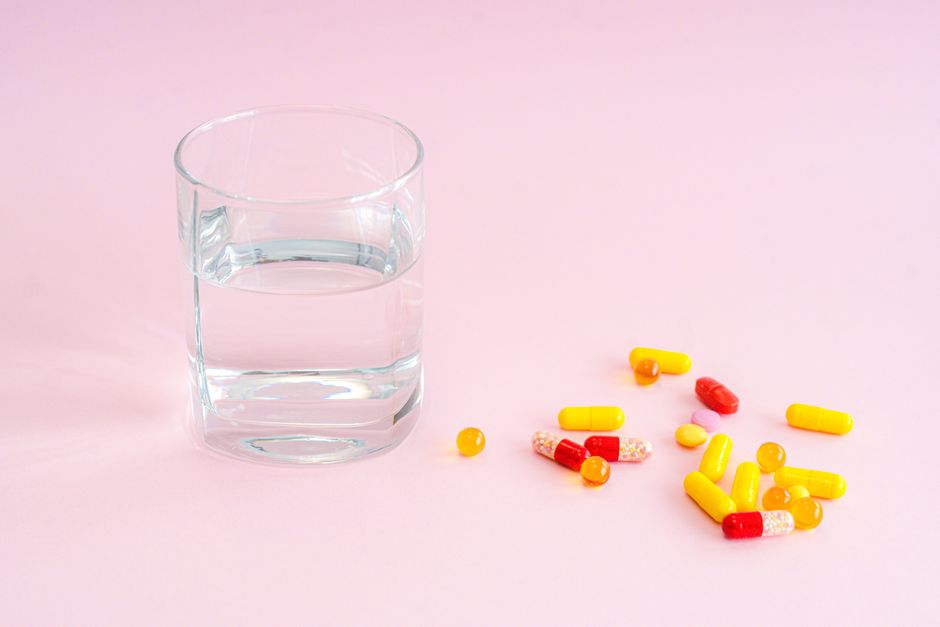
For a colonoscopy, the colors to avoid are red, purple, blue, and anything that looks like blood or dye. These include red and purple sports drinks, gelatin desserts, popsicles, and some fruit juices. The reason is simple: they can leave color in the colon that looks like blood or makes it harder for your doctor to see the lining clearly.
That answer surprises people. Most prep instructions focus on what to drink and when. Color gets less attention. But a clean, well-visualized colon depends on both.
Here is what the evidence actually supports, what it does not, and where the advice comes from.
Why do certain colors matter before a colonoscopy?
A colonoscopy works by putting a camera inside the colon. The doctor needs to see the lining clearly. Any residue that looks like blood, or any residue that blocks the view, makes that harder.
Red and purple are the main concern. If a red sports drink leaves a tint on the colon wall, it can look like bleeding. That may lead to extra time, extra washing, or in rare cases a repeat exam. Blue and purple can also stain the lining in ways that obscure small polyps.
The color itself is not harmful. A red gelatin dessert does not damage your colon. The issue is visual confusion during the exam.
There is a second, less obvious point. The main job of bowel prep is to clear stool and residue. Color is a secondary concern. If the prep is poor, color barely matters because the view is already blocked. If the prep is good, color residue is usually minor. Still, avoiding the risky colors is easy and removes a variable.
What colors should you avoid the day before a colonoscopy?
Avoid red, purple, and blue. This applies to drinks, gelatin, popsicles, hard candy, and anything else you consume during the clear-liquid phase of prep.
The most common culprits:
- Red and purple sports drinks and electrolyte beverages
- Red or purple gelatin desserts
- Cherry, grape, and berry-flavored popsicles
- Red and purple fruit juices, including grape and cranberry
- Red or blue hard candies and mints
- Tomato juice and vegetable juice
- Some red or purple teas and drink mixes
The list is not exhaustive. The principle is: if it is strongly red, purple, or blue, skip it during prep.
Some instructions also advise avoiding anything with seeds, pulp, or skins in the days before prep. Those are separate from color and relate to residue. Follow the specific instructions your gastroenterology office gives you, because prep protocols vary by clinic and by the laxative product used.
What colors are safe to drink during bowel prep?
Clear or pale yellow liquids are the standard safe choice. Water, clear broth, plain tea, and light-colored sports drinks are commonly allowed.
Yellow and green are generally considered acceptable. Lemon-lime sports drinks, apple juice, white grape juice, and clear sodas are often on approved lists. Yellow gelatin and yellow or green popsicles are usually fine.
Clear does not mean colorless. It means you can see through it. A yellow sports drink is see-through. Milk is not, even though it is white. That distinction matters because many prep instructions use the word “clear” and people misread it as “transparent.”
Always check your own prep sheet. Clinics differ on whether they allow things like coffee or tea with milk, and on how close to the procedure you must stop drinking. Those rules are about safety during sedation, not color.

Does the color rule apply to food as well as drinks?
During the clear-liquid phase, yes. Anything you eat or drink during that window should follow the same color rules. In practice, most people eat very little during this phase, so drinks and gelatin are the main sources.
In the days before the clear-liquid phase, some clinics ask you to avoid high-residue foods like seeds, nuts, popcorn, and raw vegetables. Color is less of a concern then, but strongly colored foods may still be restricted by some offices.
The safest approach is to read your specific instructions. If your clinic gives a list, follow it. If something is not on the list, call and ask. A quick phone call is better than a repeat procedure.
What happens if you drink a red or purple drink by mistake?
Do not panic. One red drink the day before is unlikely to ruin the exam. Tell your care team when you arrive so they know what to expect.
The bigger risk to a successful colonoscopy is incomplete bowel prep, not a single colored drink. Poor prep is the most common reason a colonoscopy has to be repeated or shortened. That is why the timing and volume of the laxative matter more than color.
That said, do not treat this as permission to ignore the rule. If you can avoid red and purple, do. It removes one avoidable problem.
Where does the color advice come from?
The color guidance is widely used in clinical practice and appears in patient instructions from gastroenterology societies and clinics. It is based on the visual logic of the exam, not on large trials testing whether red drinks actually cause missed polyps.
That distinction is worth being honest about. No major trial has compared red versus yellow prep drinks and measured polyp detection rates. The advice rests on a reasonable mechanism: colored residue can mimic blood or obscure the view. Clinicians who perform these exams see the logic directly.
So the recommendation is sensible and low-cost, but it is not backed by the same level of evidence as, say, the timing of the laxative doses. That does not make it wrong. It means the strength of the advice comes from practical experience and the physics of the exam, not from outcome trials.
What matters more than color for a successful colonoscopy?
Following the prep schedule matters more. The split-dose prep, where you take part of the laxative the evening before and part the morning of the exam, is well supported and improves colon cleanliness compared with taking it all at once.
Drinking the full volume of prep liquid, staying hydrated with clear fluids, and finishing the prep within the time window your clinic gives you all matter. So does telling your doctor about medications like blood thinners, which usually requires advance planning.
Color avoidance is a small, easy piece of a larger process. Get the big pieces right and the small ones are less likely to matter. Get the big pieces wrong and no color rule will save the exam.
Frequently Asked Questions
Can I drink coffee before a colonoscopy?
Black coffee is often allowed during clear-liquid prep because it is see-through, but many clinics restrict it close to the procedure. Follow your own prep sheet, since rules vary by office.
Is blue Gatorade okay before a colonoscopy?
No, blue is one of the colors to avoid because it can stain the colon lining and obscure the view. Choose lemon-lime or another pale, see-through color instead.
Can I eat red Jell-O during colonoscopy prep?
No, red gelatin is one of the most common things to avoid during prep. Yellow or green gelatin is typically allowed.
What if I accidentally drank a red drink before my colonoscopy?
Tell your care team when you arrive so they know what to expect. A single drink is unlikely to ruin the exam, but incomplete bowel prep is a bigger concern than color.
