
A Basic Metabolic Panel (BMP) is one of the most common blood tests ordered by doctors. It measures eight different substances in your blood, including glucose, calcium, and electrolytes like sodium and potassium. The results give your doctor a snapshot of your kidney function, blood sugar levels, and fluid balance.
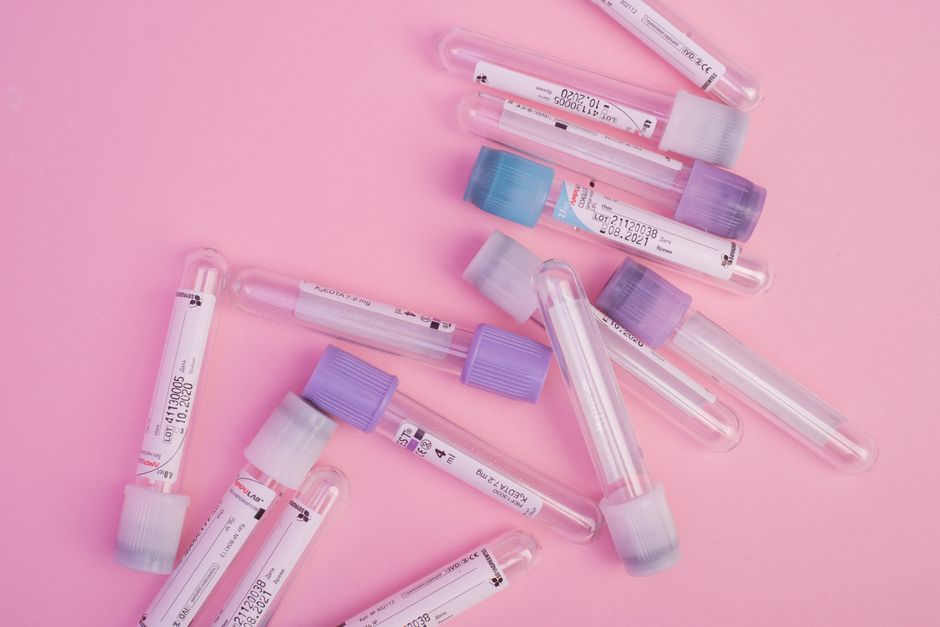
The test is drawn into a light green tube in most hospital and clinic settings. This tube contains lithium heparin, an anticoagulant that prepares the plasma for analysis. In some facilities, you may see a darker green tube used instead—both contain heparin, but the light green tube is the standard for a BMP.
Why the Tube Color Matters
Blood tests are not interchangeable. The tube you draw blood into determines what additives mix with your blood. Those additives affect the results. Using the wrong tube can contaminate the sample, alter the chemical readings, and force a redraw.
For a BMP, the lab needs plasma or serum that is free of clotting factors. The light green tube uses lithium heparin to stop the blood from clotting. This allows the lab to spin the sample down and analyze the liquid portion quickly. Other tubes, like the lavender one used for complete blood counts, contain EDTA, which can interfere with the chemical tests in a BMP.
The color coding system is standardized by the Clinical and Laboratory Standards Institute. While manufacturers may use slightly different shades, the light green top is universally recognized as the heparin tube for chemistry panels.
What Does a BMP Measure?
The BMP gives your doctor eight specific values. Each one tells you something different about how your body is functioning.
- Glucose — measures blood sugar levels
- Calcium — checks bone health and nerve function
- Sodium — monitors fluid balance
- Potassium — checks heart and muscle function
- Carbon dioxide — indicates acid-base balance
- Chloride — works with sodium to maintain hydration
- Blood urea nitrogen (BUN) — screens kidney function
- Creatinine — another kidney function marker
These values help diagnose conditions like diabetes, kidney disease, and dehydration. They also monitor patients on certain medications, especially diuretics and blood pressure drugs.
Reference ranges vary slightly by lab. Normal fasting glucose is generally 70–99 mg/dL. Normal creatinine is about 0.84–1.21 mg/dL for adults, though this varies with muscle mass. Your doctor interprets these values in the context of your overall health.
The Difference Between a BMP and a CMP
A Comprehensive Metabolic Panel, or CMP, includes everything in a BMP plus six additional tests. The extra tests measure liver enzymes and proteins, giving a broader picture of liver health.
Both panels use the same tube. The light green tube works for either test. The difference is not in how the blood is drawn, but in how many tests the lab runs on that sample.
If your doctor orders a BMP, they are focusing on your kidneys, blood sugar, and electrolytes. If they order a CMP, they are also checking your liver. The blood draw itself is identical.




What Happens If the Wrong Tube Is Used?
Errors in tube selection happen more often than you might think. A busy phlebotomist might grab the wrong tube, or a patient might have a standing order for multiple tests that require different tubes.
If blood goes into a tube with the wrong additive, the lab will often reject the sample. The most common problem is potassium contamination. Some tubes contain potassium as part of their additive. If a BMP sample is drawn into one of these tubes, the potassium reading will be falsely elevated. That can lead to a misdiagnosis of hyperkalemia, a potentially serious condition.
Another issue is hemolysis, which is the breakdown of red blood cells. Hemolyzed samples can skew potassium and other electrolyte readings. Labs will flag these samples and request a redraw.
Sometimes the lab can still run the test and note the interference. But most facilities will not risk reporting potentially inaccurate results. They will call the floor or clinic and ask for a fresh sample.
Does Fasting Matter for a BMP?
Your doctor may tell you to fast for 8 to 12 hours before a BMP. This is mainly for the glucose reading. A fasting glucose test gives a clearer picture of your baseline blood sugar. Eating before the test can raise glucose temporarily, which might confuse the results.
The other seven values in a BMP are not strongly affected by food intake. Sodium, potassium, and kidney markers remain relatively stable regardless of when you last ate. But because glucose is part of the panel, fasting is usually recommended.
If you have diabetes and take medication, check with your doctor about whether to take your medication before the test. Some medications can cause low blood sugar if you skip a meal. Your doctor will give you specific instructions.
How the Blood Draw Works
The phlebotomist will clean a vein in your arm with an alcohol wipe. A tourniquet is applied to make the vein more visible. The needle goes in, and blood flows into the tube through a vacuum system.
The light green tube fills automatically to the correct volume. The tube contains a measured amount of lithium heparin, and the vacuum pulls in the exact amount of blood needed to mix with it. Once the tube is full, it should be inverted gently several times to ensure the heparin mixes with the blood completely.
Underfilling the tube is a common mistake. If the tube is not filled to the correct level, the ratio of blood to heparin is wrong. This can cause clotting or inaccurate results. Most labs will reject underfilled tubes.
When the Results Come Back
BMP results are typically available within a few hours. In a hospital setting, they can come back much faster—often within an hour. In an outpatient clinic, results may take a day or two to reach your doctor’s office.
Your doctor will review the results in the context of your symptoms and medical history. A single abnormal value may not mean anything on its own. Trends over time are often more informative than one isolated reading.
For example, a slightly elevated creatinine might be a fluke or a sign of early kidney disease. If the next test shows normal creatinine, your doctor may not worry. If it continues to climb, that is a different story.
Do not try to interpret your own results without medical guidance. Reference ranges are guidelines, not hard rules. A value outside the normal range can be perfectly healthy for you, and a value inside the range can still be a problem in context.
Frequently Asked Questions
What color tube is used for a BMP blood test?
A light green tube with lithium heparin is the standard tube for a BMP. Some facilities use a darker green tube, which also contains heparin.
Can a BMP be drawn in a red top tube?
A red top tube can be used for a BMP, but it requires the blood to clot before spinning, which takes longer. The green tube is preferred because it allows faster processing.
Do I need to fast before a BMP?
Yes, fasting for 8 to 12 hours is usually recommended. The glucose reading is more accurate when you have not eaten recently.
How long does a BMP take to come back?
Results are usually available within a few hours in a hospital setting. Outpatient results may take one to two days to reach your doctor.
