
Blood inside your arteries is bright red. Blood inside your veins is a darker, deeper red. That color difference comes down to one thing: how much oxygen the hemoglobin in your red blood cells is carrying.
Oxygenated blood is bright red because oxygen binds to hemoglobin — the iron-containing protein inside red blood cells — and changes how that protein absorbs and reflects light. Deoxygenated blood is darker red, not blue. The blue appearance of veins through your skin is an optical effect, not the actual color of the blood inside them.
What Color Is Oxygenated Blood and Why Does It Look That Way?
Oxygenated blood is bright red. The color shift happens at the molecular level, inside the hemoglobin protein.
Each hemoglobin molecule contains four heme groups, and each heme group holds one iron atom. When oxygen binds to that iron, the shape of the heme group changes slightly. That structural change alters which wavelengths of light the molecule absorbs. Oxygenated hemoglobin absorbs more blue-green light and reflects more red. Deoxygenated hemoglobin absorbs different wavelengths and reflects a darker, more purplish-red.
This is why arterial blood — the blood leaving your lungs and traveling to your tissues — looks bright red when drawn. Venous blood, returning to your heart and lungs, looks darker. The difference is visible to the naked eye when both samples are side by side.
One detail that surprises people: the color difference is not caused by oxygen gas dissolving in the liquid part of blood. It is caused almost entirely by oxygen binding to hemoglobin inside the red blood cells. Plasma itself is a pale yellow fluid. The red color of blood comes from the hemoglobin packed into red blood cells.
Why Do Veins Look Blue If Blood Is Never Blue?
Veins look blue because of how light behaves as it passes through your skin, not because the blood inside them is blue. This is one of the most persistent myths in everyday health knowledge.
When you look at a vein through your skin, light has to travel through tissue before it reaches the vessel and then bounce back to your eye. Skin scatters and absorbs different wavelengths of light in different ways. Red light penetrates deeper but gets absorbed along the way. Blue light scatters more and does not penetrate as deeply. The net result is that the light coming back from the area around a vein is skewed toward blue wavelengths.
This is a property of light and skin, not of blood. If you were to draw blood from that vein, it would be dark red.
There is a second factor. Veins sit deeper in the tissue than arteries in most visible locations, and they carry blood at lower pressure. The vessel wall itself and the surrounding tissue add to the optical effect. Some researchers have also proposed that the way veins are structured — with varying thickness and oxygen content along their length — contributes to the bluish appearance. The evidence points to light scattering as the main explanation.
This matters for a practical reason: if someone tells you their blood is “blue” because their veins look blue, that is not accurate. No healthy human has blue blood. The condition methemoglobinemia can cause blood to appear dark brown or chocolate-colored, and it is a medical emergency — but it is not blue, and it is rare.
How Much Oxygen Does Blood Carry in Different Parts of the Body?
The oxygen content of blood changes as it moves through the body. Understanding this helps explain why the color difference exists in the first place.
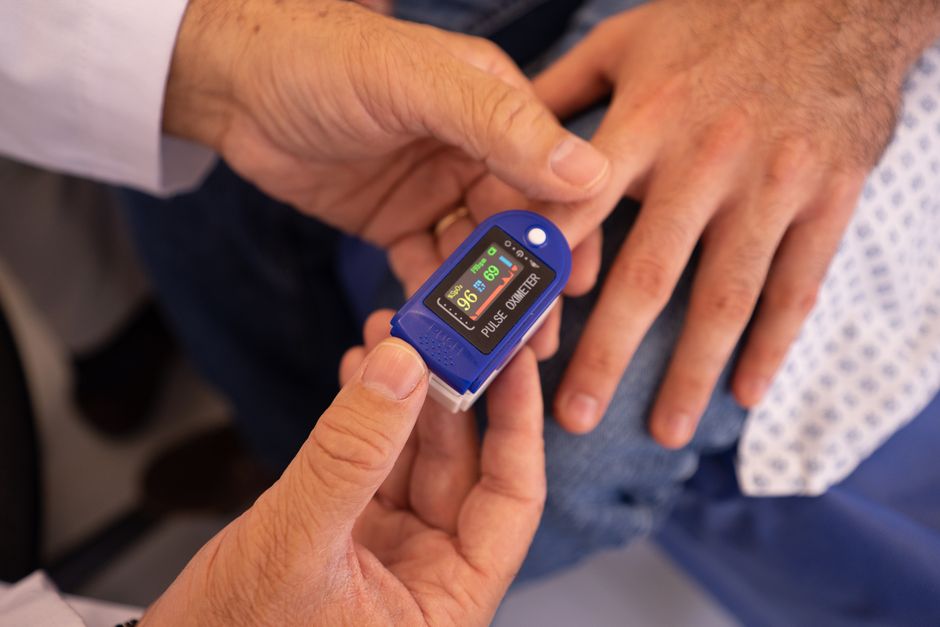
Blood leaving the lungs through the pulmonary veins is close to fully saturated with oxygen. In healthy adults breathing normal room air, arterial oxygen saturation typically falls in the range of 95% to 100%. This is the bright red blood.
As blood travels through capillaries and delivers oxygen to tissues, saturation drops. By the time blood returns to the heart through the veins, oxygen saturation is usually around 70% to 75% in mixed venous blood. This is the darker red blood.
The difference between arterial and venous saturation — roughly 25 percentage points at rest — represents the oxygen your tissues have extracted and used. During exercise, that difference widens because working muscles pull more oxygen out of the blood. During rest, it narrows.
This is why the color difference between arterial and venous blood is not fixed. It reflects how much oxygen the tissues around that vessel are consuming at that moment.




Does Blood Color Change With Health Conditions?
Blood color can change in certain medical conditions, and those changes are clinically meaningful. They are also different from the normal bright-red-versus-dark-red difference.
In carbon monoxide poisoning, carbon monoxide binds to hemoglobin far more tightly than oxygen does. Blood may appear cherry red or bright pink rather than the usual dark red. This is a medical emergency. Symptoms include headache, dizziness, confusion, and loss of consciousness. Anyone with suspected carbon monoxide exposure needs immediate medical attention.
In methemoglobinemia, the iron in hemoglobin is oxidized from its normal ferrous state to a ferric state. This prevents hemoglobin from binding oxygen properly. Blood can appear dark brown or chocolate-colored. It can be caused by certain medications, industrial chemicals, or rarely by genetic conditions. It is a medical emergency.
In anemia, the total amount of hemoglobin is reduced. Blood may look thinner or paler when drawn, but the color of oxygenated versus deoxygenated blood follows the same basic rules. Anemia affects how much hemoglobin is present, not the fundamental color chemistry.
In polycythemia, hemoglobin levels are elevated. Blood may appear darker and thicker because there is more hemoglobin per unit of volume. This can occur as a primary blood disorder or as a response to chronic low oxygen levels, such as in people who live at high altitude or have chronic lung disease.
These conditions are diagnosed through blood tests, not by looking at blood color. Color changes can be a clue, but they are never the basis for diagnosis.
Why Does Blood Sometimes Look Different When Drawn?
People sometimes notice that blood drawn from a vein looks almost black, while blood from a finger prick looks bright red. Several factors explain this.
Venous blood is naturally darker because it has already delivered oxygen to tissues. When it is collected in a tube, it may look even darker because it is deoxygenated and because the tube itself affects how light passes through the sample.
Capillary blood from a finger prick is a mixture of arterial, venous, and capillary blood. It often looks brighter because it contains some arterial blood and because the drop is thin and exposed to air, which allows oxygen to bind to hemoglobin at the surface.
Blood also darkens as it sits. Once outside the body, oxygen continues to interact with hemoglobin, and the sample may change appearance over time. This is normal and does not indicate a health problem.
The lighting in the room also matters. Blood viewed under fluorescent light can look different from blood viewed under natural light. This is the same optical principle that makes veins look blue — the light source and the way it interacts with the sample affect what you see.
What About the “Blue Blood” Myth in History?
The idea that some people have blue blood has appeared in history and folklore. It is not accurate.
The term “blue blood” historically referred to the visible veins of people with pale skin, particularly European aristocracy who avoided sun exposure. The veins looked blue through their fair skin, and the phrase became a metaphor for noble lineage. It was never a literal description of blood color.
There is one real medical context where blood can appear unusual: some animals, such as horseshoe crabs, have blue blood because they use copper-based hemocyanin instead of iron-based hemoglobin to carry oxygen. Humans do not. Human blood is always red, whether oxygenated or not.
Does Oxygenated Blood Always Look the Same?
Oxygenated blood is consistently bright red in healthy people, but the exact shade can vary slightly. Hemoglobin concentration, the presence of other substances in the blood, and the lighting all affect how red it appears.
What does not change is the basic rule: oxygenated blood is brighter red, deoxygenated blood is darker red. This holds true across age, sex, and most health conditions. The exceptions are the rare conditions described above, which cause specific and unusual color changes that require medical evaluation.
If you ever notice that your blood looks unusually dark, brown, or otherwise different from what you expect, mention it to a doctor. It is almost certainly normal variation, but a medical professional can determine whether any testing is needed.
Frequently Asked Questions
What color is oxygenated blood?
Oxygenated blood is bright red. The color comes from oxygen bound to hemoglobin inside red blood cells, which changes how the molecule absorbs and reflects light.
Is deoxygenated blood blue?
No. Deoxygenated blood is dark red, not blue. Veins appear blue through the skin because of how light scatters and absorbs in tissue, not because the blood itself is blue.
Why does blood look dark when drawn from a vein?
Venous blood is darker because it has already delivered oxygen to your tissues and is returning to the heart and lungs. The lower oxygen saturation makes it appear darker red than arterial blood.
Can blood ever actually be blue?
No. Human blood is always red. Some animals, like horseshoe crabs, have blue blood because they use a copper-based protein called hemocyanin instead of iron-based hemoglobin.
