

Poop changes that can signal sepsis or gut failure include black, tarry stool, stool with visible blood or a “coffee ground” texture, and a sudden shift to pale, greasy, foul-smelling stool that floats. In serious illness, the more telling sign is often the opposite of diarrhea: no stool at all, or a silent, swollen abdomen that stops passing gas. These changes matter because the gut is often one of the first organs to show that blood flow and oxygen delivery are failing somewhere in the body.
Most poop changes are harmless and come from food, stress, or a passing infection. A small number point to something dangerous. The skill is telling them apart, and knowing when a change in stool is a signal to get medical help fast.
What changes in poop signal sepsis and gut failure?
Two categories matter most: bleeding into the gut, and the gut going quiet.
Bleeding shows up as black, tarry stool (doctors call it melena) or as bright red blood coating the stool. Melena happens when blood has been digested on its way through, so it comes out dark and sticky, like tar, with a distinctive foul odor. Bright red blood usually means bleeding closer to the exit.
Gut failure shows up differently. The bowel stops moving. You stop passing stool and stop passing gas. The abdomen swells and feels tight. This is called an ileus, and in a critically ill person it can be an early warning that the gut is losing its function.
Sepsis is a life-threatening response to infection that injures the body’s own tissues. It does not have one signature stool change. Instead, it can produce several at once, or none at all. That is the honest position: stool is a clue, not a test.
Why does the gut react so early in sepsis?
The gut is one of the first organs affected when circulation fails, because blood is redirected away from the intestines to protect the brain and heart.
During sepsis, the body’s blood vessels widen and leak, blood pressure drops, and the smallest vessels in the gut lining lose their blood supply. The cells lining the intestine, which are replaced every few days, are highly sensitive to low oxygen. When they are starved of blood, the barrier they form weakens.
That barrier normally keeps bacteria and their toxins inside the gut. When it fails, the contents can leak into the bloodstream. This is one reason sepsis and gut injury so often travel together. It is also why a doctor watching a septic patient pays close attention to the abdomen, not just the vital signs.
A point that surprises many people: the gut is not a passive tube. It is a large immune organ, and it responds to systemic illness quickly.
What does black or bloody stool actually mean?
Black, tarry stool usually means bleeding somewhere in the upper gut, such as the stomach or the first part of the small intestine. The blood is digested and turns black on the way down.
Not all black stool is blood. Iron supplements, bismuth (found in some stomach remedies), and certain foods can darken stool. The difference is texture and smell. True melena is sticky and tar-like and smells strongly. Stool darkened by iron or bismuth is usually normal in texture.
Bright red blood in stool more often points to bleeding lower down, such as the colon or rectum. Common causes include hemorrhoids and small tears, which are not emergencies. But in a person who is also feverish, confused, or very ill, blood in the stool takes on a different meaning.
In severe sepsis, blood flow to the gut can drop enough to injure the bowel lining directly, causing bleeding. This is one of the ways sepsis and gut failure connect.


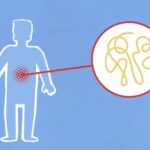


When is diarrhea a warning sign rather than a stomach bug?
Most diarrhea is caused by infection, food, or medication, and it resolves on its own. The warning signs are context and severity, not the diarrhea alone.
Diarrhea becomes a concern when it appears with signs of a body-wide illness:
- Fever, chills, or a very low body temperature
- Confusion, unusual sleepiness, or trouble staying awake
- Rapid breathing or a racing heart
- Low blood pressure or feeling faint
- Severe abdominal pain or a rigid, tender belly
- Very little urine, or no urination for many hours
In these situations, the diarrhea is not the problem by itself. It is one signal among several that the body is under serious strain. This is the pattern clinicians look for when they assess for sepsis.
One specific infection, Clostridioides difficile, causes severe diarrhea often after antibiotics and can progress to a dangerous inflammation of the colon. It is worth knowing about because it is a real cause of both diarrhea and serious gut illness, but it is diagnosed by testing, not by looking at stool alone.
What does it mean when the gut goes silent?
A silent gut, where you stop passing stool and gas and the belly swells, is often more ominous than diarrhea in a sick person.
This is an ileus, or in more severe cases a bowel obstruction. The intestine stops its normal wave-like movement. Gas and contents build up. The abdomen becomes distended and uncomfortable, and bowel sounds may disappear.
In a critically ill patient, a silent, swollen gut can reflect that the bowel is not getting enough blood or that inflammation has spread. It is a sign that warrants prompt medical evaluation. It is not something to wait out at home if the person is also unwell.
This is the change most people overlook, because we tend to focus on what comes out rather than what stops coming out.
How do doctors tell the difference?
Doctors do not diagnose sepsis or gut failure from stool appearance. They use the whole picture.
Sepsis is identified through vital signs, lab tests, and evidence of infection combined with organ dysfunction. Stool changes are supporting clues. Imaging, such as a CT scan, can show bowel injury, obstruction, or reduced blood flow. Blood tests can reveal infection, organ stress, and bleeding.
This matters for readers. If you are worried about sepsis, do not rely on stool to decide. Look at the whole person: mental state, breathing, heart rate, blood pressure, urine output, and how quickly things are changing.
When should you get medical help?
Get urgent medical help if a person has black tarry stool, a large amount of blood in the stool, a swollen and tender abdomen with no bowel movements or gas, or any stool change combined with confusion, fast breathing, a racing heart, or fainting.
These signs can indicate a medical emergency. Do not wait to see if things improve on their own when several of them appear together.
For milder, isolated changes, such as a single episode of diarrhea without other symptoms, watching for a short time is reasonable. The key is whether the stool change stands alone or comes with signs that the whole body is struggling.
Frequently Asked Questions
Can sepsis change the color of your poop?
Sepsis can lead to black, tarry stool or blood in the stool when bleeding occurs in the gut. However, sepsis does not have one specific stool color, so color alone cannot confirm or rule it out.
What does gut failure poop look like?
In gut failure the bowel often stops moving, so there may be no stool at all, along with a swollen abdomen and no passing of gas. When stool is present, it may contain blood or appear black and tarry from bleeding.
Is black tarry stool always a sign of sepsis?
No. Black tarry stool most often means bleeding in the upper gut from causes like ulcers, and it can also come from iron or bismuth. It becomes more concerning for sepsis when it appears with fever, confusion, or low blood pressure.
When should I worry about diarrhea and sepsis?
Worry when diarrhea appears with fever, confusion, fast breathing, a racing heart, fainting, or very little urine. These suggest the whole body is affected, not just the gut.
