
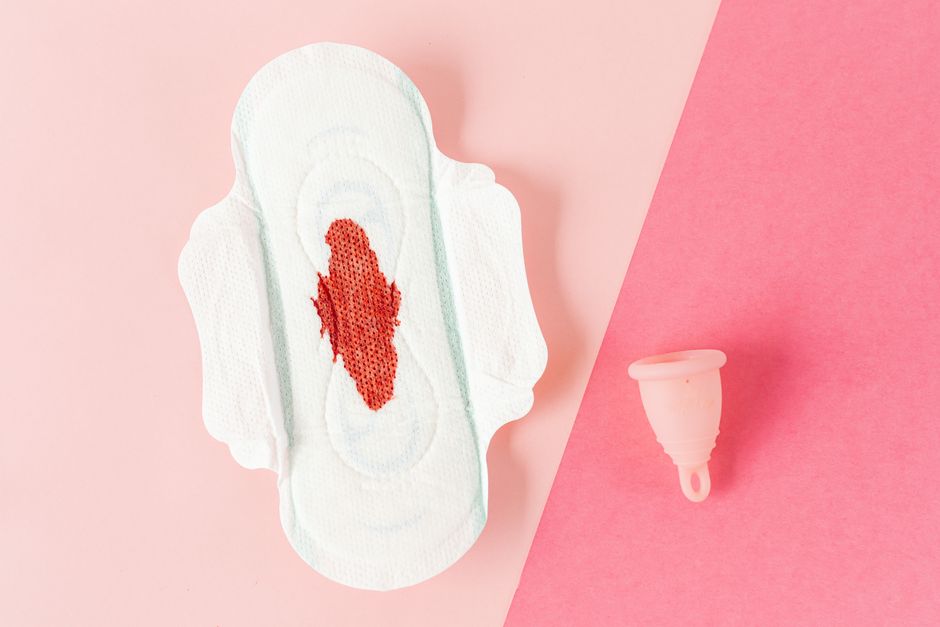
A late period is one of the most common reasons people visit a gynecologist, and the cause is almost never a single dramatic event. For most people, a late period simply means ovulation happened later than usual or hasn’t happened yet, which shifts the entire menstrual timeline. While pregnancy is the first thing that often comes to mind, the actual reason is frequently a combination of stress, hormonal shifts, or changes in routine that delay the release of an egg.
What Causes You To Be Late On Your Period? The Reason
A period starts about 14 days after ovulation, when the egg is released from the ovary. If ovulation is delayed, the entire cycle lengthens, and the period arrives late. The most common reasons for delayed ovulation include stress, significant weight changes, intense exercise, thyroid conditions, and polycystic ovary syndrome (PCOS). Pregnancy is also a cause, but it is not the only one — and it is not even the most common reason for a one-time delay.
The menstrual cycle is controlled by a delicate feedback loop between the brain and the ovaries. The hypothalamus and pituitary gland release hormones that tell the ovaries when to mature and release an egg. Any disruption to this system — physical or emotional — can push ovulation back by days or even weeks.
How Stress Delays Ovulation
Stress is one of the most well-documented causes of a late period. When the body perceives stress, it increases production of cortisol, a hormone that can suppress the release of gonadotropin-releasing hormone (GnRH) from the brain. Without proper GnRH signaling, the pituitary gland does not send the luteinizing hormone (LH) surge needed to trigger ovulation.
This is not just about emotional stress. Physical stressors like illness, surgery, or even a severe cold can have the same effect. The body essentially pauses reproduction when it senses conditions are not ideal for a pregnancy. Once the stress resolves, ovulation typically resumes, and the period arrives about two weeks later.
Research consistently shows that women who report high perceived stress are significantly more likely to have irregular cycles. The delay is usually temporary. If stress is chronic, however, cycles may remain irregular until the underlying stress is addressed.
Weight Changes and Eating Patterns
Body fat plays a direct role in hormone production. Fat tissue produces estrogen, and having too little or too much of it disrupts the hormonal balance needed for regular ovulation. A body mass index (BMI) below 18.5 or above 30 is associated with a higher risk of irregular periods, though individual variation matters.
Rapid weight loss triggers a survival response. The brain detects low energy availability and reduces reproductive hormone output. This is why athletes and people on very restrictive diets often experience missed or late periods. The condition is called functional hypothalamic amenorrhea, and it affects the same brain-ovary pathway that stress affects.
Sudden weight gain can also delay periods. Excess fat tissue leads to higher estrogen levels, which can disrupt the normal feedback loop that triggers ovulation. The result is the same: ovulation is delayed or skipped entirely, and the period is late.





Polycystic Ovary Syndrome (PCOS)
PCOS is one of the most common hormonal disorders in people of reproductive age, affecting roughly 1 in 10 women. It is characterized by irregular ovulation, elevated androgen levels, and often multiple small follicles on the ovaries. In PCOS, ovulation may occur infrequently or not at all, making cycles unpredictable and often longer than 35 days.
The underlying mechanism involves insulin resistance. When cells do not respond properly to insulin, the pancreas produces more of it. High insulin levels stimulate the ovaries to produce more androgens, particularly testosterone. These elevated androgens interfere with the maturation of follicles, preventing a healthy egg from being released on schedule.
PCOS is a chronic condition, not a one-time event. Women with PCOS typically report a history of irregular periods since adolescence. If your periods have always been regular and you suddenly miss one, PCOS is less likely to be the cause, though it can emerge at any age.
Thyroid Disorders
The thyroid gland regulates metabolism, and its hormones influence nearly every system in the body, including reproduction. Both an underactive thyroid (hypothyroidism) and an overactive thyroid (hyperthyroidism) can disrupt menstrual cycles.
Hypothyroidism is more commonly associated with menstrual irregularities. Low thyroid hormone levels lead to increased production of thyrotropin-releasing hormone (TRH), which in turn stimulates prolactin release. Elevated prolactin suppresses the hormones needed for ovulation, delaying or stopping periods entirely.
Some studies suggest that thyroid dysfunction is present in a significant percentage of women with menstrual irregularities, even when they have no other symptoms. A simple blood test measuring thyroid-stimulating hormone (TSH) can identify this issue. Treatment with thyroid hormone replacement often restores regular cycles within a few months.
Perimenopause and Age-Related Changes
For women in their late 30s and 40s, late periods are often the first sign of perimenopause. This transition period before menopause can last anywhere from 4 to 8 years. During this time, the ovaries produce less estrogen and progesterone, and ovulation becomes less predictable.
Cycles may shorten or lengthen. Some months ovulation happens early, some months it happens late, and some months it does not happen at all. This variability is normal and expected. Menopause is officially diagnosed after 12 consecutive months without a period, but the irregularity leading up to it can begin years earlier.
If you are over 45 and experiencing late periods, perimenopause is the most likely explanation. However, pregnancy is still possible until menopause is confirmed, so it should not be ruled out without testing.
Medications and Birth Control
Certain medications can delay ovulation or interfere with the menstrual cycle. Hormonal contraceptives, including the pill, patch, and ring, work by preventing ovulation. When you take these continuously or skip placebo days, you may not have a period at all, which is expected and safe.
Other medications that can affect periods include antipsychotics, some antidepressants, corticosteroids, and chemotherapy drugs. These medications can raise prolactin levels or suppress the brain signals that drive ovulation. Emergency contraceptive pills, often called morning-after pills, contain high doses of hormones that delay ovulation. A late period after taking emergency contraception is common and does not indicate pregnancy.
If you recently started or stopped a hormonal medication, give your body a few cycles to adjust. Irregular bleeding for the first 3 months after starting a new contraceptive is common. If irregularity persists beyond that, discuss it with your clinician.
When to Take a Pregnancy Test
Home pregnancy tests detect human chorionic gonadotropin (hCG), a hormone produced after implantation. Most tests are accurate on the first day of a missed period, but testing too early can produce a false negative. For the most reliable result, wait 7 days after your period was expected, or test 14 days after the day you think you ovulated.
A negative test combined with a period that still has not arrived usually means ovulation was delayed. The period will typically arrive about 2 weeks after ovulation actually occurs. If the test is negative and you still have no period after 2 weeks, take another test. If that test is also negative and your period has not come, it is reasonable to contact a healthcare provider.
When to See a Doctor
A single late period is rarely a cause for concern. Most people experience at least one irregular cycle per year, and the cause is often minor and self-correcting. However, certain patterns warrant medical evaluation.
See a clinician if you have missed 3 or more periods in a row, if your cycles are consistently longer than 35 days, or if you have bleeding between periods. Also seek care if you have symptoms like severe pelvic pain, unusual discharge, or excessive hair growth, which could indicate PCOS or another hormonal condition.
If you are experiencing infertility and have irregular cycles, evaluation is recommended sooner rather than later. Irregular ovulation is one of the most treatable causes of infertility, but identifying it requires proper testing.
Frequently Asked Questions
How late can a period be before I should worry?
A period is considered late after 5 days past your expected date, but a delay of up to 7 days is usually not concerning. If your period is more than 2 weeks late and pregnancy tests are negative, contact a healthcare provider.
Can stress really delay your period by a week?
Yes, stress can delay ovulation by a week or more. The delay happens because stress hormones suppress the brain signals that trigger ovulation, pushing the entire cycle back.
Why is my period late but the pregnancy test is negative?
A negative test usually means you ovulated later than expected, so your body has not yet produced enough hCG to detect. Wait another week and test again, or track your ovulation signs to estimate when your period should arrive.
Is it normal to skip a period completely?
Skipping one period is common and often harmless, especially during times of stress, illness, or travel. Missing 3 or more periods in a row warrants medical evaluation.
