
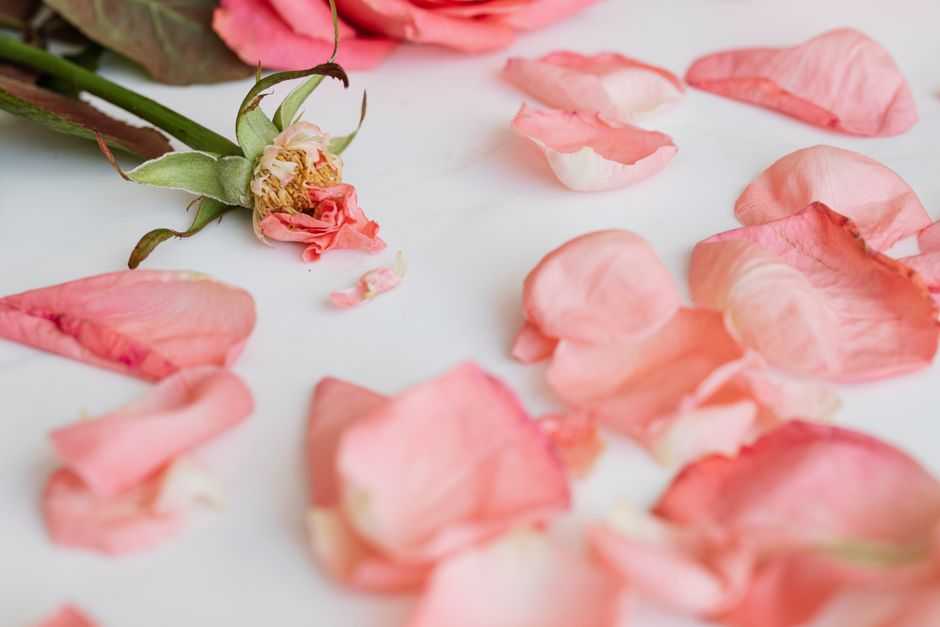
Wilting happens when a plant loses water faster than its roots can replace it. The cells that normally press against each other to hold stems and leaves firm lose that internal pressure, and the plant goes limp. The fix depends on why it happened — dry soil, soggy roots, heat, disease, or a plant that is simply done for the season all look similar at first glance.
Most people assume wilting always means “needs water.” That assumption is wrong often enough to kill plants. A plant sitting in soaked soil can wilt from root rot just as easily as a plant in bone-dry soil wilts from drought. Reading the soil, the leaves, and the timeline together tells you which problem you actually have.
What Actually Happens Inside a Plant When It Wilts?
Water moves through a plant in a continuous column, from soil into roots, up through the stem, and out through tiny pores in the leaves called stomata. That upward pull depends on water evaporating from the leaves, which tugs the next water molecule up behind it.
Plant cells hold water inside a rigid outer wall. When those cells are full, the water pushes outward against the wall and creates what botanists call turgor pressure. Turgor is what holds a leaf flat and a stem upright. When water loss outpaces water uptake, turgor drops and the tissue goes soft.
This is why wilting often appears first on the newest growth and the thinnest stems. Those tissues have the least structural support to fall back on. A mature woody stem can stay upright long after the leaves have drooped.
Wilting is not automatically damage. Many plants wilt midday in full sun and recover by evening without any intervention. That pattern reflects temporary water loss through transpiration, not a failing root system. If the plant is upright again by morning, the soil and roots are likely fine.
What Causes Wilting and How Can You Fix It?
The cause falls into one of two broad categories: too little water reaching the leaves, or too much water damaging the roots so they cannot take water up at all. Both produce the same droop. The soil tells you which one you are dealing with.
Dry soil. Push a finger two to three inches into the soil. If it is dry at that depth, the plant needs water. Water slowly and thoroughly until it runs from the drainage holes, then let the top layer dry before watering again. Shallow daily sprinkling encourages weak surface roots and makes plants more vulnerable to the next dry spell.
Wet soil. If the soil is soggy and the plant is still wilting, the roots are suffocating or rotting. Roots need oxygen. In waterlogged soil, oxygen runs out, roots stop functioning, and eventually decay. The plant wilts from lack of water even though it is standing in it. Stop watering, improve drainage, and let the soil dry. If the roots are brown and mushy rather than firm and pale, the damage may be irreversible.
Heat and wind. High temperatures and moving air increase transpiration faster than roots can keep up. This is the classic midday wilt. Move containers out of the harshest afternoon sun, and water early in the morning so the plant has reserves going into the hottest hours.
Root damage or restriction. A pot-bound plant, a plant whose roots were torn during transplanting, or one growing in compacted soil cannot move enough water. Repotting into a larger container or loosening compacted soil around the root zone addresses this.
Vascular disease. Some fungal and bacterial infections block the water-conducting tissue inside the stem. This is the wilting that does not recover after watering. A useful test is to cut a stem near the base and look at the inside. Healthy tissue is pale and even. Dark streaks or discoloration running through the stem point toward a vascular problem rather than a watering problem.
Notice that only one of these fixes is “add water.” That is the central point most plant advice gets wrong.
How Do You Tell Overwatering Apart From Underwatering?
The leaves and the soil give different signals, and the two problems look nothing alike once you know what to check.
- Underwatering: leaves droop, then dry and crisp at the edges. Soil is dry several inches down. The plant perks up within hours of watering.
- Overwatering: leaves droop but often turn yellow and soft rather than crisp. Soil stays wet for days. The plant does not improve after watering and may get worse.
- Root rot: wilting continues despite moist soil, lower leaves yellow and drop, and the base of the plant may feel soft or smell sour.
The recovery test is the simplest diagnostic. Water a wilted plant properly and check it a few hours later. A plant that stands back up had a water shortage. A plant that stays limp in moist soil has a root or vascular problem that more water will only worsen.





Can a Plant Recover Once It Has Wilted?
Recovery depends entirely on how long the tissue went without water and what caused the wilt. Mild wilting from a dry afternoon reverses within hours. A plant that has been dry for days may recover partially, but leaves that have already turned brown and crisp will not green up again. That tissue is dead.
For overwatered plants, recovery is slower and less certain. Roots that have rotted do not regenerate from the damaged tissue itself. The plant has to grow new roots from healthy tissue above the rot. That can happen, but it takes weeks, and the plant often looks worse before it looks better.
Vascular wilt diseases are the hardest case. Once the water-conducting tissue is colonized, the plant usually declines. In many cases the practical step is removing the plant so the problem does not spread to others nearby. Because several different pathogens can cause similar internal discoloration, a home grower cannot reliably identify which one is present without lab testing. The general handling is the same either way: isolate or remove the affected plant and avoid replanting the same species in that spot immediately.
How Do You Prevent Wilting Before It Starts?
Consistent soil moisture matters more than any single technique. Plants handle steady conditions far better than a cycle of drought and flood, which is what most wilting episodes actually are.
Water deeply and less often. This trains roots to grow downward, where soil stays moist longer. Check moisture at root depth rather than judging by the surface, which dries out first and misleads you.
Match the plant to the light and the container. A plant in a small pot in full afternoon sun will wilt no matter how careful you are, because the pot simply cannot hold enough water. Larger containers, mulch on the soil surface, and afternoon shade all reduce water loss.
Use containers with drainage holes. A pot without drainage holds water at the bottom, and roots sitting in that layer rot. This is one of the most common causes of wilting in houseplants, and it is entirely preventable.
Water in the morning. Evening watering leaves foliage wet overnight, which favors some fungal problems. Morning watering gives the plant a full day to use the water and lets the leaves dry.
When Is Wilting a Sign of Something Serious?
Sudden wilting of a plant that was healthy the day before is worth attention. Gradual drooping over a hot afternoon is normal. A plant that collapses overnight, or one that wilts while its neighbors in the same bed stay upright, points to a problem specific to that plant rather than the weather.
Watch for wilting paired with other symptoms: yellowing that starts on one side, dark streaks inside the stem, a soft or foul-smelling base, or wilting that spreads from one plant to the next. Together these suggest a disease rather than a watering issue.
One clarification worth keeping in mind: a wilted plant is not necessarily a dying plant. Wilting is a temporary state, and the plant is signaling that water demand has outrun water supply. The signal is useful. What matters is reading it correctly before you act.
Frequently Asked Questions
Why is my plant wilting even though the soil is wet?
Wet soil can cause wilting because waterlogged roots lose oxygen and stop taking up water, or because root rot has damaged them. More water will make this worse, so let the soil dry and check the roots for brown, mushy tissue.
How long does it take a wilted plant to recover?
A plant wilted from dry soil often stands back up within a few hours of watering. A plant wilted from root damage may take weeks to recover, and leaves that have already turned brown and crisp will not recover at all.
Should I water a wilted plant in the sun?
Check the soil first, because watering a plant that is already wet will worsen the problem. If the soil is dry a few inches down, water thoroughly, and morning watering is generally better than watering in the heat of the day.
Can a plant recover from root rot?
Sometimes, if enough healthy roots remain. Recovery requires removing the damaged roots, repotting in fresh well-draining soil, and watering far less often, but badly affected plants often do not survive.
