
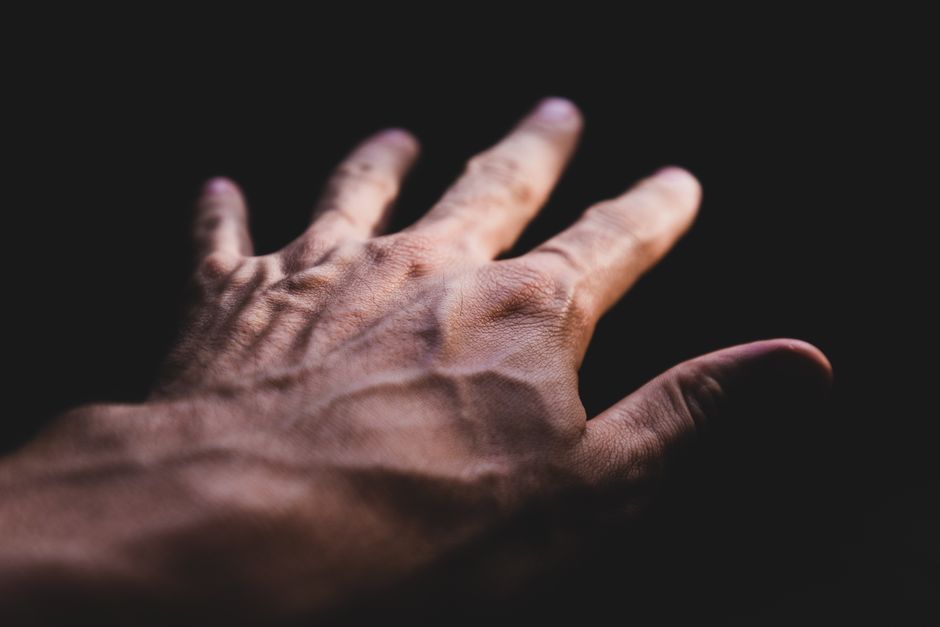
Visible hand veins are usually a simple matter of anatomy and physics. The veins sit close to the surface, and the skin on the back of the hand is thin. When blood volume rises, body fat drops, or the skin loses some of its cushioning with age, those veins show through more clearly. For most people, prominent hand veins are normal and not a sign of disease.
What looks like a sudden change is often just the body doing its job. Veins carry blood back to the heart, and their walls are thin and stretchy. They widen and narrow throughout the day depending on temperature, position, and how hard your heart is working. The hands are one of the few places where you can watch this happen in real time.
What Causes Veins To Be More Visible In Hands?
The main causes are low body fat, thin skin, age-related loss of skin thickness and underlying padding, higher blood volume, heat, exercise, and gravity. Genetics also play a part in how thick your vein walls are and how much subcutaneous fat you carry on the back of your hands.
Each of these works through the same basic mechanism. Veins become easier to see when the layer covering them gets thinner, or when the vein itself holds more blood and widens. Often it is both at once.
Hands are especially prone to this because the back of the hand has very little fat compared with the abdomen or thighs. The skin there is also among the thinnest on the body. Veins in that area have less to hide behind.
Why position and gravity matter
Let your arm hang down for a minute and the veins often swell. Blood pools in the veins under the pull of gravity, and the vein walls stretch to hold it. Raise your hand above your head and they usually flatten within seconds. This is normal venous filling and emptying, not a sign of a circulation problem.
Are Visible Hand Veins a Sign of Low Body Fat or Aging?
Both, frequently. Body fat acts as insulation over the veins, and the hands carry little of it even in people with average body composition. When overall body fat drops, the small amount on the hands tends to drop too, and veins that were faint become obvious.
Aging works through a different route. The skin thins over time, and the small fat pads under the skin shrink. Collagen and elastin, the proteins that give skin its spring, decline with age. The result is less cushion between the surface and the vein.
This is why many people notice hand veins more in their forties and fifties than they did in their twenties. It is a normal part of aging skin, not a circulatory disorder.
Can Heat, Exercise, and Hydration Affect Hand Veins?
Yes, and the effect can be quick. Heat causes blood vessels near the skin to widen so the body can release heat. That widening makes veins more visible, which is why hands often look more veined on a hot day or after a warm shower.
Exercise raises blood flow and cardiac output. Veins dilate to handle the extra returning blood, and the hands can look fuller and more prominent during and just after activity. This settles as the body cools and heart rate returns to normal.
Hydration is more nuanced. Severe dehydration reduces blood volume, which can make veins less full. But mild day-to-day differences in fluid intake are unlikely to change how your hands look in any consistent way. The relationship is real but small for most healthy people.
When Should Visible Hand Veins Be Checked by a Doctor?
Visible hand veins on their own are not a medical concern. They become worth a doctor’s look when they come with other signs, such as pain, swelling, redness, warmth, or a vein that feels hard and cord-like.
Those signs can point to superficial thrombophlebitis, which is inflammation and clotting in a vein close to the skin. It is usually not dangerous on its own, but it should be assessed. A vein that suddenly bulges after an injury or a needle stick deserves a look too.
Seek urgent care for a swollen, painful arm with redness or warmth spreading along a vein, or if you have chest pain or shortness of breath alongside arm swelling. Those are uncommon but serious combinations.
Some people also notice hand veins more on one side only. A one-sided change with swelling or discomfort is worth mentioning to a clinician, because it is less likely to be simple anatomy.
Do Visible Hand Veins Mean Poor Circulation?
No. Visible veins do not indicate poor circulation. In fact, veins that are easy to see are usually a sign that blood is moving through the superficial veins as expected.
Circulation problems tend to show up differently. Poor arterial flow can cause cold, pale, or painful hands, and poor venous return in the legs can cause swelling and skin changes. Prominent hand veins are not part of that picture.
This is one of the most common misunderstandings about hand veins. People often assume that seeing a vein means something is blocked or weak. The opposite is closer to the truth: a vein you can see is a vein doing its normal job of holding blood on the way back to the heart.
Can You Reduce the Appearance of Hand Veins?
You can soften how visible hand veins look, but no approach removes normal anatomy. The options range from simple habits to cosmetic procedures, and the evidence for each varies.
- Body fat: Gaining a small amount of fat can reduce visibility, but this is not a reason to change your weight and it is not a medical recommendation.
- Hydration: Staying adequately hydrated supports normal blood volume, though the visible effect on hand veins is modest.
- Temperature: Keeping hands warm rather than hot can reduce heat-driven dilation.
- Elevation: Raising the hand above heart level briefly empties the veins and flattens them.
- Cosmetic fillers: Some clinicians inject filler under the skin of the hands to add padding. Results are temporary and require repeat treatment.
- Sclerotherapy: A solution is injected to shrink small veins. It is used more often on leg veins, and evidence for hand use is limited.
The evidence for cosmetic hand treatments is thinner than the marketing suggests. No large, long-term trials confirm how well these procedures hold up over years. If you are considering one, ask about risks, expected duration, and what happens if you are not satisfied.
Is It Normal for Hand Veins to Change Over Time?
Yes. Hand veins change with age, weight, activity level, and season. Some people notice them more in summer and less in winter. Others see a gradual shift over decades as skin thins.
Sudden, dramatic change is different. A vein that appears overnight, or one that becomes painful or swollen, is not part of normal aging and should be checked.
For the vast majority of people, visible hand veins are a visible record of normal anatomy. They are not a warning sign, and they do not need treatment unless they cause symptoms or you want cosmetic change for your own reasons.
Frequently Asked Questions
Why are my hand veins suddenly more visible?
A sudden change is often caused by heat, exercise, dehydration, or a drop in body fat. If a vein becomes painful, swollen, or hard, have it checked by a doctor.
Are bulging hand veins a sign of high blood pressure?
No. Visible hand veins are not a sign of high blood pressure, which usually has no visible symptoms. Blood pressure is measured with a cuff, not by looking at veins.
Do hand veins get more visible as you age?
Yes, commonly. Skin thins and the small fat pads under the skin shrink with age, so veins that were once hidden become easier to see.
Can dehydration make hand veins more visible?
Severe dehydration lowers blood volume and can make veins less full, but everyday fluid changes have only a small effect on how hand veins look.
