
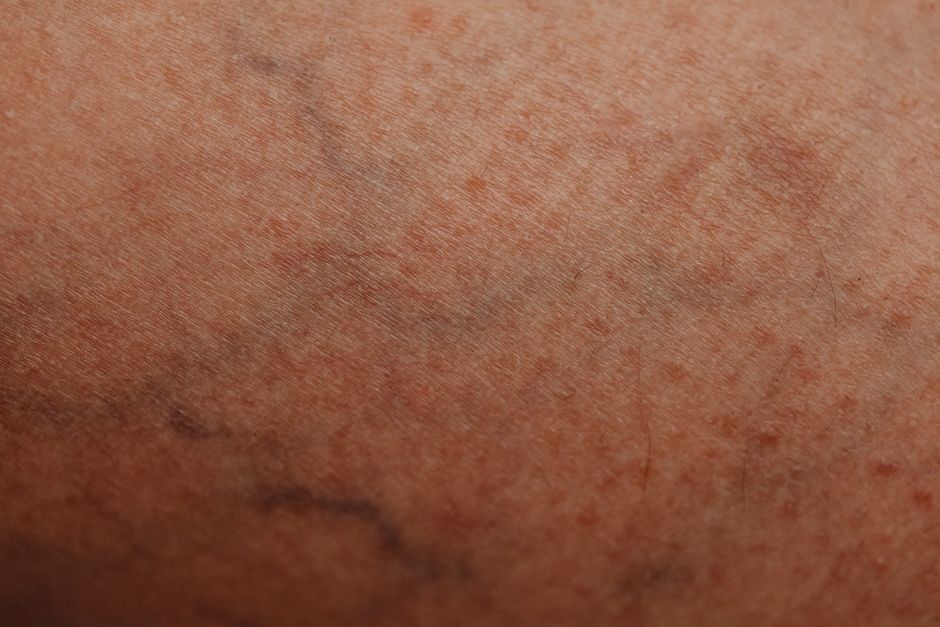
Varicose veins hurt because blood pools inside them, stretching the vein walls and putting pressure on nearby nerves. This pooling happens when the one-way valves inside your veins stop working properly, allowing blood to flow backward instead of up toward your heart. The result is a dull ache, heaviness, or throbbing in your legs, and there are several practical ways to ease that discomfort at home.
Why Do Varicose Veins Cause Pain In The First Place?
Your leg veins work against gravity. They carry blood from your feet and lower legs back up to your heart. Tiny one-way valves inside the veins open to let blood through, then close to stop it from flowing backward.
When these valves weaken or fail, blood backs up and collects in the vein. The vein stretches and swells under the extra pressure. That stretched, swollen vein becomes what you see as a varicose vein.
That pressure is what causes the pain. The stretched vein wall irritates surrounding tissues and nerves. Fluid can also leak into the tissue around the vein, causing swelling and a feeling of heaviness. The longer blood sits there, the more pressure builds, and the more uncomfortable the leg becomes.
Pain typically worsens after standing or sitting for long periods. It often improves when you elevate your legs or move around, because both actions help blood drain out of the pooled veins.
What Does Varicose Vein Pain Actually Feel Like?
People describe varicose vein discomfort in different ways. Common sensations include:
- A dull, heavy ache in the legs, especially at the end of the day
- A throbbing or pulsating feeling along the vein
- Burning or itching over the vein itself
- Cramping in the calf, often at night
- Swelling in the lower leg and ankle
- Legs that feel tired or restless
The pain is usually worse in warm weather. Heat causes veins to dilate, which increases blood pooling. Women often notice more discomfort around their menstrual period, likely due to hormonal effects on vein walls.
Sitting or standing still for long stretches makes symptoms intensify. Walking, flexing your calf muscles, or lying down with your legs raised typically brings relief.
What Causes Varicose Veins To Hurt And How To Help: The Mechanics Of Relief
Helping varicose vein pain comes down to one main goal: getting blood moving out of those pooled veins. Anything that reduces the blood volume sitting in the affected veins will reduce the pressure and the pain.
Elevation is the simplest and fastest method. Lie down and prop your legs up so they are above the level of your heart. This lets gravity drain blood from the distended veins back into your central circulation. Even 15 to 20 minutes can noticeably reduce throbbing and heaviness.
Movement works because your calf muscles act as a secondary pump. When you walk, your calf muscles contract and squeeze the deep veins in your leg, pushing blood upward. This is often called the skeletal muscle pump. Regular walking throughout the day prevents blood from settling in the varicose veins.
Compression stockings provide external support that helps the vein walls stay narrower. This reduces the vein’s capacity to hold pooled blood and improves valve function. These stockings come in different pressure levels and lengths, and they work best when fitted properly to your leg.
These three strategies address the root mechanism of the pain. They do not fix the damaged valves, but they consistently reduce the pressure that causes discomfort.
Compression Stockings: How They Work And How To Use Them
Compression stockings are the most studied non-medical treatment for varicose vein symptoms. They apply graduated pressure — tightest at the ankle and gradually looser toward the knee or thigh. This gradient helps push blood upward and prevents it from pooling.
For the stockings to help, they must fit correctly. Stockings that are too loose offer little benefit. Stockings that are too tight can cause discomfort or even restrict blood flow. Getting measured professionally is worth the effort.
Put them on in the morning before you get out of bed, when your legs are least swollen. Wear them throughout the day, especially during periods of standing or sitting. Remove them at night.
Compression levels are measured in millimeters of mercury, or mmHg. Over-the-counter options typically range from 8 to 15 mmHg or 15 to 20 mmHg. Higher pressures of 20 to 30 mmHg or 30 to 40 mmHg require a prescription and a professional fitting.
Some people find compression stockings uncomfortable, especially in warm weather. But when worn consistently, they are one of the most effective conservative measures for reducing varicose vein pain and preventing it from worsening during the day.
Exercise And Lifestyle Changes That Reduce Leg Pain
Regular physical activity is one of the most effective long-term strategies for varicose vein discomfort. Exercise improves circulation, strengthens calf muscles, and helps maintain a healthy weight — all of which reduce pressure on leg veins.
Walking, swimming, and cycling are excellent choices because they engage the calf muscles without putting excessive impact on the legs. Aim for regular movement throughout the day rather than one long session followed by hours of sitting.
If you work at a desk, take short breaks every hour. Stand up, walk around, or do a few calf raises at your desk. Flexing and extending your ankles while seated also activates the calf muscle pump and keeps blood moving.
Weight management matters here. Excess abdominal weight increases pressure on the veins in your pelvis and legs. This pressure makes it harder for blood to return to the heart and can worsen varicose vein symptoms.
Avoid sitting with your legs crossed, which can restrict blood flow. When sitting for long periods, keep your feet flat on the floor or use a small footrest. Avoid tight clothing around your waist or thighs that could constrict venous return.
Cold Water And Other Home Remedies: What Actually Helps
Cold water application is a common home remedy for varicose vein pain. Cold causes veins to constrict, which temporarily reduces blood pooling and can ease throbbing. A cool shower directed at your legs or a cold compress applied to the painful area may provide short-term relief.
Heat, by contrast, tends to worsen symptoms because it dilates veins and increases pooling. Hot baths, hot tubs, and prolonged sun exposure can make legs feel heavier and more painful.
Some people find that alternating between gentle exercise and elevation works better than any single remedy. The key is reducing the volume of blood trapped in the varicose veins, and different strategies accomplish this through different mechanisms.
Dietary changes do not have strong evidence for directly relieving varicose vein pain. Eating a balanced diet and staying hydrated supports overall circulation, but no specific food or supplement has been proven to repair damaged vein valves or eliminate varicose vein discomfort.
When Should You See A Doctor About Varicose Vein Pain?
Varicose vein pain is common and often manageable at home. But certain symptoms require medical evaluation.
See a doctor if the pain becomes severe or constant, if the skin over the vein becomes red, warm, or tender, or if you notice swelling in one leg that is clearly worse than the other. These could be signs of a blood clot, which requires prompt medical attention.
Also seek evaluation if the skin around your varicose veins becomes discolored, thickened, or develops a rash. Open sores or ulcers near the ankle area need professional care. Bleeding from a varicose vein is another reason to seek immediate medical attention.
For painful varicose veins that do not respond to conservative measures, a doctor can discuss treatment options. These include endovenous ablation, sclerotherapy, and surgical removal. These procedures close off or remove the affected veins, redirecting blood flow to healthier veins. They are generally effective at relieving the pain caused by varicose veins.
Treatment decisions depend on the size and location of your veins, your overall health, and how much the symptoms affect your daily life. A vascular specialist can help you weigh the options.
What Happens If Varicose Veins Are Left Untreated?
Many people have varicose veins for years without serious complications. The pain may come and go, and conservative measures may be enough to keep it manageable.
But varicose veins can worsen over time. The valves continue to fail, and the veins can become more distended. Chronic blood pooling can lead to skin changes, including darkening, dryness, and itching around the ankle. In more advanced stages, the skin can become fragile and prone to ulcers.
Complications from varicose veins are relatively uncommon but can be serious. Superficial thrombophlebitis — inflammation and clotting in a superficial vein — can cause pain, redness, and a firm cord-like feeling along the vein. Deep vein thrombosis, a clot in a deeper vein, is more serious and requires urgent medical care.
Most varicose veins do not lead to emergencies. But persistent symptoms that interfere with daily activities deserve proper evaluation. Pain that keeps you from walking, working, or sleeping is a valid reason to seek treatment, not something to simply endure.
Frequently Asked Questions
Why do varicose veins hurt more at night?
Blood pools in the veins throughout the day while you are upright, and that accumulated pressure can cause throbbing or cramping by evening. Nighttime calf cramps are also linked to poor circulation and muscle fatigue in legs with varicose veins.
Is walking good or bad for varicose vein pain?
Walking is good for varicose vein pain because calf muscle contractions help push blood upward and reduce pooling. Regular walking can ease discomfort, though standing still for long periods tends to make symptoms worse.
Can varicose vein pain be a sign of a blood clot?
Yes, sudden severe pain, swelling, redness, or warmth in one leg can indicate a blood clot and needs prompt medical attention. Ordinary varicose vein pain is usually bilateral, dull, and relieved by elevation, while clot pain is often more localized and persistent.
Do compression stockings actually relieve varicose vein pain?
Yes, properly fitted compression stockings are one of the most effective non-medical treatments for varicose vein pain. They reduce vein diameter and help blood flow upward, which lowers the pressure that causes aching and heaviness.
