
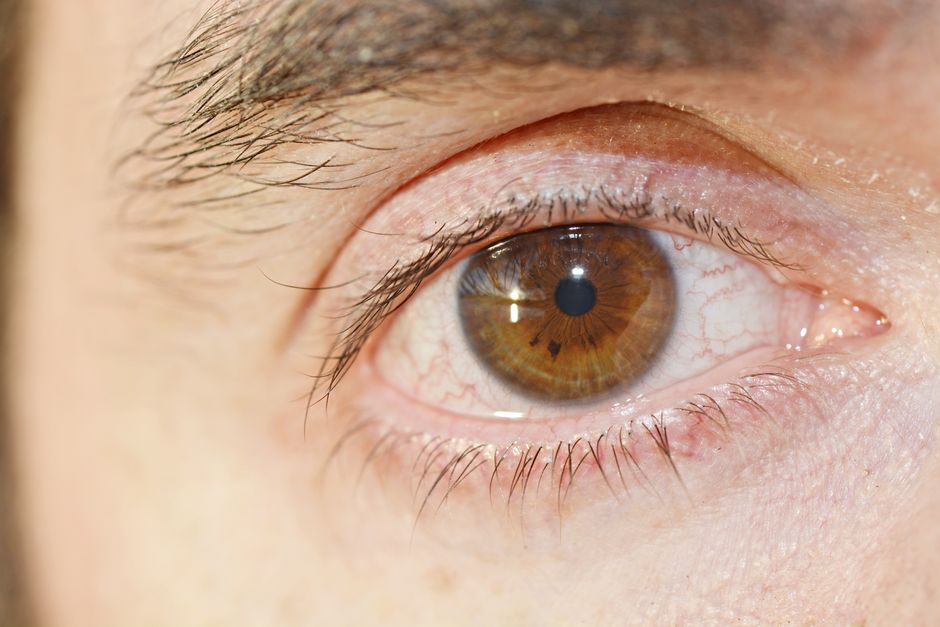
Unilateral conjunctivitis — pink eye in one eye only — is most often caused by a viral infection, a bacterial infection, or an allergic reaction affecting just that eye. The reason it stays on one side comes down to how the cause reaches the eye: direct contact with a virus or bacteria, a blocked tear duct, or a physical irritant touching one eye. True systemic causes that would affect both eyes at once are less common.
Most people assume pink eye always spreads to both eyes. It doesn’t. One-sided cases are common and the pattern of one eye versus two is actually one of the more useful clues doctors use when sorting out what’s behind it.
What Causes Unilateral Conjunctivitis?
The conjunctiva is the thin, clear membrane that lines the inside of your eyelid and covers the white of your eye. When it becomes inflamed, the small blood vessels in it widen and the eye looks red or pink. That part is the same whether one eye or both are involved.
What differs is how the trigger gets in. In one-sided cases, the cause usually arrives by direct contact with that eye specifically.
- Viral infection. The most common cause overall. Often linked to the same viruses that cause colds. It usually starts in one eye and may or may not spread to the other.
- Bacterial infection. Caused by bacteria such as staphylococcus or streptococcus species getting into the eye. Typically produces thicker, yellow-green discharge.
- Allergic reaction. Contact with pollen, pet dander, dust, or a specific substance that touched one eye. Both eyes are more typical in allergies, but one-sided reactions happen, especially with direct contact.
- Irritants and foreign bodies. A chemical splash, a loose eyelash, dust, or smoke affecting one eye.
- A blocked or narrowed tear duct. Tears can’t drain normally, which leads to irritation and sometimes infection on that side.
- Contact lens problems. Wearing a lens too long, a dirty lens, or a lens-related abrasion usually affects one eye.
There’s a detail many people miss: the tear drainage system connects each eye to the nose separately. That anatomy means an infection or blockage on one side has no direct pathway to the other eye. It’s one reason one-sided cases can stay one-sided.
Why Does Pink Eye Usually Stay in One Eye?
Each eye is a separate compartment with its own tear drainage. The virus or bacteria has to physically get into that eye to cause infection there.
Think about how you get pink eye in the first place. You touch a contaminated surface, then rub one eye. You get a droplet of someone’s cough in one eye. You put in a contact lens that wasn’t cleaned properly. In each case, the exposure is to a single eye.
That said, one-sided doesn’t mean it stays that way. Rubbing the infected eye and then touching the other eye is a common way the infection spreads from one side to the other. So is sharing towels or pillowcases. Viral conjunctivitis in particular is highly contagious through this kind of hand-to-eye contact.
Allergic conjunctivitis behaves differently. It usually affects both eyes because the allergen — pollen in the air, for example — reaches both. When allergies do show up on one side, it’s often because something touched that eye directly, like a pet rubbing against one side of your face.
How Can You Tell What Type It Is?
The type of discharge and the timing of symptoms are the main clues. This is where the one-sided pattern helps narrow things down.
| Feature | Viral | Bacterial | Allergic |
|---|---|---|---|
| Discharge | Watery, thin | Thick, yellow-green | Watery, stringy |
| Itching | Mild | Mild to moderate | Often intense |
| Eyes affected | Often starts in one | Often one, can be both | Usually both |
| Other symptoms | Cold symptoms, sore throat | Eyelid swelling, matted lashes | Sneezing, runny nose |
| Contagious | Yes | Yes | No |
Itching is the strongest single clue for allergy. A thick, sticky discharge that glues the eyelids shut overnight points more toward bacteria. Watery discharge with cold symptoms leans viral. None of these is definitive on its own, though. Only a clinician can confirm the cause, and in many uncomplicated cases they treat based on these signs without lab testing.
When Should Unilateral Conjunctivitis Worry You?
Most one-sided pink eye clears on its own or with simple care. Some signs mean you should see a doctor rather than wait it out.
- Pain in or around the eye, especially severe pain
- Blurred vision or sensitivity to light that doesn’t clear
- Intense redness, particularly around the iris
- Feeling like something is stuck in the eye that won’t come out
- Symptoms that are getting worse after a few days rather than better
- Any eye symptoms in someone who wears contact lenses — remove the lens and seek care
- Eye redness or discharge in a newborn
One-sided redness can also come from conditions that aren’t conjunctivitis at all. A corneal scratch, a foreign body, an inflamed oil gland in the eyelid, or a more serious problem like inflammation inside the eye can all produce a red, irritated eye on one side. That’s why persistent or painful one-sided redness deserves a proper look rather than a guess.
Is One-Sided Pink Eye Contagious?
Viral and bacterial conjunctivitis are contagious. Allergic conjunctivitis is not.
Viral conjunctivitis spreads through contact with the virus — from your own hands, from contaminated surfaces, or from droplets. Bacterial conjunctivitis spreads the same way. The infection is in the discharge and tears, so anything those touch can carry it.
To limit spread, wash your hands often, avoid rubbing your eyes, don’t share towels or pillowcases, and replace eye makeup or contact lenses that may have been contaminated. Some clinicians advise throwing out eye makeup used during an infection. It’s a reasonable precaution, though the evidence on how often makeup actually re-seeds an infection is limited.
How Is One-Sided Conjunctivitis Treated?
Treatment depends on the cause, and this is a place where the type matters a lot.
Viral conjunctivitis usually resolves on its own within one to two weeks. There is no antiviral eye drop for the common forms. Care is supportive: cool compresses, artificial tears, and hygiene. Antibiotics do nothing against a virus.
Bacterial conjunctivitis is often treated with antibiotic eye drops or ointment. Some mild cases clear without antibiotics. Whether to use them is a judgment call a clinician makes based on severity and symptoms — not something to decide alone, and not something to self-treat with leftover drops from a previous infection.
Allergic conjunctivitis improves by avoiding the allergen and, in some cases, using antihistamine eye drops or oral antihistamines. Cold compresses can ease the itch.
Avoid touching or rubbing the affected eye. Don’t wear contact lenses until the eye is fully better and any lenses and cases have been cleaned or replaced. Don’t use over-the-counter “redness reliever” drops for more than a short period without advice — long-term use can cause rebound redness.
One honest note: many people expect a doctor to prescribe drops for every red eye. For viral cases, drops don’t help and can add cost and side effects. The most useful thing a clinician does in many cases is rule out something more serious.
Frequently Asked Questions
Can you get pink eye in only one eye?
Yes. One-sided pink eye is common and is typically caused by a virus, bacteria, or irritant that reached that eye directly. It can spread to the other eye through hand contact, but it often stays on one side.
How long does one-eye conjunctivitis last?
Viral conjunctivitis usually clears within one to two weeks. Bacterial cases often improve within a few days once treated, though the exact timeline varies by cause and severity.
What is the most common cause of one-sided pink eye?
Viral infection is the most common cause overall. Bacterial infection is also common and tends to produce thicker, yellow-green discharge.
When should I see a doctor for pink eye in one eye?
See a doctor if you have eye pain, vision changes, light sensitivity, symptoms that worsen after a few days, or if you wear contact lenses. Newborns with any eye redness or discharge need prompt medical care.
