
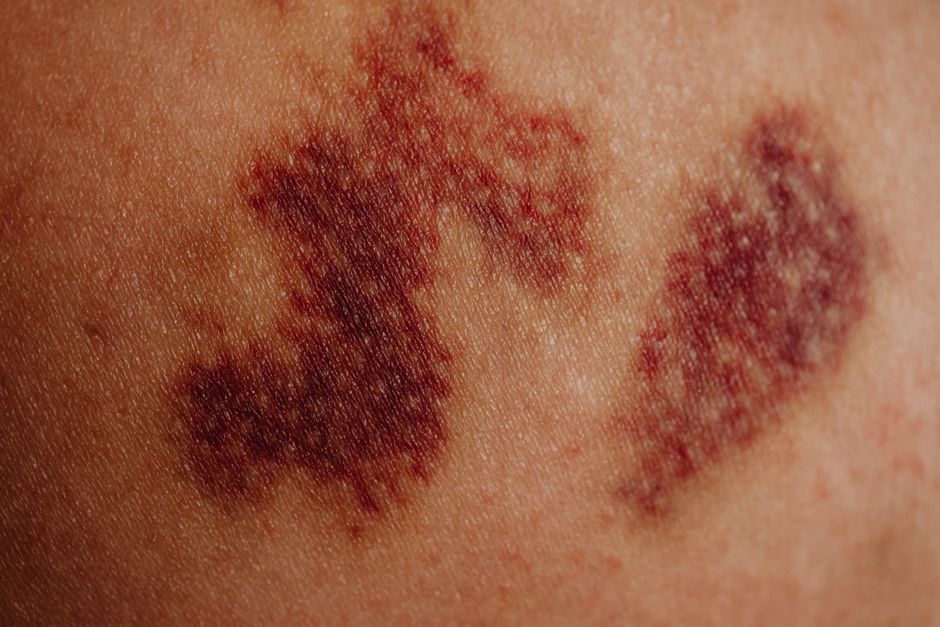
You notice a new bruise on your arm and you have no idea where it came from. It happens to most people at some point. Unexplained bruising on arms is usually harmless, but it can sometimes signal an underlying health issue. The most common causes are minor trauma you do not remember, thinning skin, and normal age-related changes in blood vessels. Certain medications and vitamin deficiencies can also make bruising more frequent. Understanding why it happens helps you know when to watch and wait, and when to see a doctor.
Why Do Bruises Appear Without A Known Injury?
Bruises form when tiny blood vessels called capillaries break under the skin. Blood leaks into the surrounding tissue, which creates the familiar black-and-blue mark. You do not always feel the bump or knock that caused it. Everyday activities like bumping into a doorframe, carrying groceries, or even sleeping on your arm can break these fragile vessels.
As you get older, the process becomes easier. The skin thins and loses some of its protective fat layer. Blood vessel walls also weaken with age. This combination means older adults bruise more easily from less force. A bruise that looks dramatic may have come from a very minor bump you simply did not notice.
What Causes Unexplained Bruising On Arms Specifically?
The arms are one of the most common places for unexplained bruises. They are constantly exposed and frequently bumped against objects. The skin on the forearms is also thinner than skin on other parts of the body, with less padding to protect blood vessels.
Sun damage plays a major role. Years of sun exposure break down collagen and elastin in the skin. This makes the skin thinner and more fragile. Blood vessels become more vulnerable to rupture. Many people notice more bruises on their forearms than anywhere else, and sun damage is a primary reason.
Medications are another major factor. Blood thinners like aspirin, warfarin, and newer anticoagulants increase bruising. Even over-the-counter supplements such as fish oil, ginkgo biloba, and high-dose vitamin E can have a mild blood-thinning effect. If you take any of these, bruising more easily is an expected side effect, not a mystery.
When A Vitamin Or Nutrient Deficiency Is Behind The Bruising
Certain nutrients are essential for normal blood clotting and blood vessel health. A deficiency can make you bruise more easily. Vitamin C is needed to produce collagen, which keeps blood vessel walls strong. Severe vitamin C deficiency causes easy bruising and is well documented.
Vitamin K is directly involved in the clotting process. Without enough of it, blood takes longer to clot and bruising becomes more frequent. Most people get plenty of vitamin K from leafy greens like spinach, kale, and broccoli. True deficiency is uncommon in healthy adults who eat a varied diet.
Iron deficiency can also contribute. Iron is needed to make hemoglobin, the protein in red blood cells that carries oxygen. Low iron levels can affect platelet function, which may increase bruising. This is more common in women with heavy menstrual periods or people with digestive conditions that affect nutrient absorption.
These deficiencies are not the most common cause of unexplained bruising. They are worth considering, however, when bruising appears alongside other symptoms like fatigue, pale skin, or bleeding gums.
Medical Conditions That Increase Bruising
Several medical conditions can cause easy or unexplained bruising. Platelet disorders are one example. Platelets are the cells that clump together to stop bleeding. If your body does not produce enough platelets, or if the platelets do not work properly, bruising increases.
Clotting factor disorders also matter. Hemophilia and von Willebrand disease are inherited conditions that affect the blood’s ability to clot. People with these conditions often have a family history of bleeding problems and typically know about their diagnosis early in life.
Liver disease can cause bruising because the liver produces many clotting factors. When the liver is damaged, clotting protein levels drop. This often appears alongside other signs like yellowing of the skin, swelling in the legs, or fatigue.
Some research suggests that low levels of certain vitamins are common in people with chronic bruising. However, routine vitamin testing is not recommended for everyone with a few bruises. It becomes relevant when bruising is severe, widespread, or accompanied by other symptoms.
Medications And Supplements That Make Bruising Worse
Many common medications increase bruising. Blood thinners are the most obvious, but they are not the only ones. Corticosteroids, including prednisone, thin the skin over time. This makes blood vessels more visible and more likely to break.
Antidepressants and certain herbal supplements have been associated with increased bruising. Some research suggests that selective serotonin reuptake inhibitors, a common class of antidepressants, can affect platelet function. This can increase bruising in some people, though the effect is usually mild.
If you take any medication and notice a sudden increase in bruising, check the side effect profile. You can also ask your pharmacist. Never stop a prescribed medication without talking to your doctor first. The risk of stopping a blood thinner, for example, far outweighs the inconvenience of a few extra bruises.
When Unexplained Bruising Is A Sign Of Something Serious
Most unexplained bruising is harmless. Certain patterns, however, deserve medical attention. Bruises that keep growing, do not fade after two weeks, or appear with no pattern at all should be evaluated.
See a doctor if bruising comes with any of these signs:
- Bruises larger than a few inches across
- Frequent nosebleeds or bleeding gums
- Blood in your urine or stool
- Bruising that is painful or swollen
- Bruises that appear suddenly and in large numbers
- Unexplained weight loss, fever, or night sweats
These symptoms can indicate a bleeding disorder or another underlying condition. They do not automatically mean something serious is wrong, but they warrant a medical evaluation. A simple blood test can often provide answers.
How To Reduce Bruising On Your Arms
You cannot completely prevent accidental bumps. You can take steps to reduce how often you bruise. Protecting your skin from sun damage is one of the most effective strategies. Daily sunscreen on exposed arms helps maintain skin thickness and blood vessel strength over time.
Moisturizing regularly also helps. Well-hydrated skin is more resilient and less likely to tear or bruise. This is especially helpful for older adults with naturally drier skin.
Wearing long sleeves during activities that involve reaching, lifting, or bumping into objects can provide a simple physical barrier. Some people find this helpful during gardening, moving furniture, or playing with pets.
If a medication is causing the bruising, talk to your doctor about whether the dose can be adjusted. Do not make changes on your own. For people with vitamin deficiencies, correcting the deficiency through diet or supplements can reduce bruising over time. This takes weeks, not days.
What To Expect At The Doctor’s Office
If you decide to see a doctor about unexplained bruising, here is what typically happens. The doctor will ask about your medical history, medications, supplements, and any other symptoms. They will examine your skin and may ask about bruising patterns in your family.
A complete blood count is the most common first test. It measures your red blood cells, white blood cells, and platelets. Depending on the results, additional tests may check clotting function or vitamin levels. Most people with unexplained bruising have normal test results, which is reassuring.
Some clinicians recommend vitamin C testing for people with unexplained bruising, especially if they have other signs of deficiency. However, routine testing for all vitamins is not standard practice. The evidence does not support checking every nutrient level in everyone who bruises easily.
Frequently Asked Questions
Why do I have bruises on my arms that I don’t remember getting?
Most likely from minor bumps you did not feel or notice, especially if your skin has thinned with age or sun exposure. Medications and supplements that thin the blood make this more common.
When should I worry about unexplained bruising?
See a doctor if bruises are large, painful, keep growing, or appear with bleeding gums, blood in urine or stool, or unexplained weight loss. Bruises that do not fade after two weeks also deserve medical attention.
Can low vitamin D cause bruising?
Vitamin D deficiency is not directly linked to bruising. Deficiencies in vitamin C, vitamin K, and iron are more relevant to bruising risk.
Does aspirin cause easy bruising?
Yes. Aspirin thins the blood and interferes with platelet function, which makes bruising more likely. This is an expected effect, not a sign of a new problem.
