
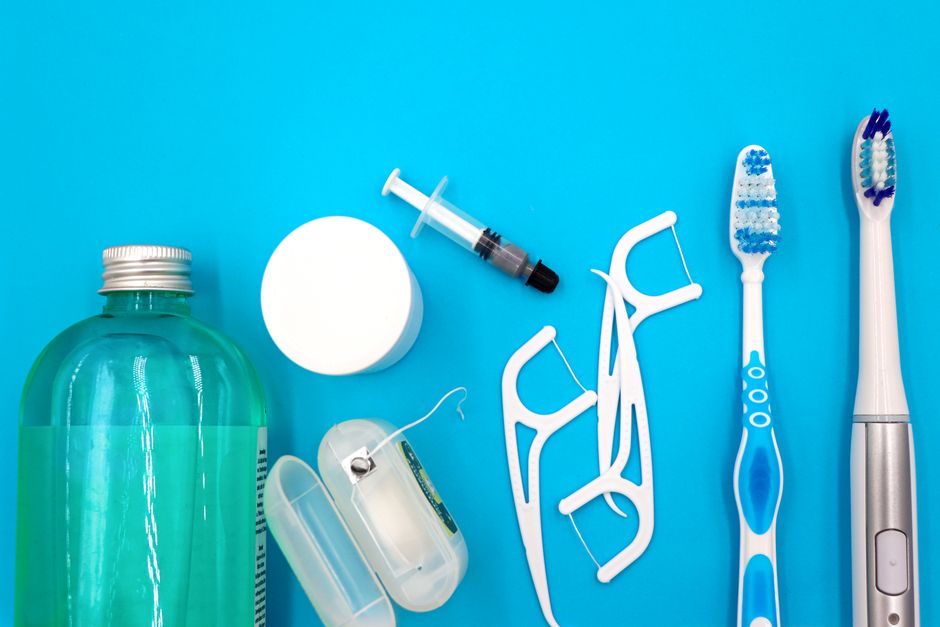
Tooth cavities form when bacteria in your mouth feed on sugar and produce acid that eats away at tooth enamel. It is not sugar alone, and it is not bacteria alone — it is the interaction between the two that creates the damage. Over time, repeated acid attacks create small holes in the teeth, and those holes are cavities.
What Causes Tooth Cavities Bacteria Sugar More? The Reason
The short answer is that cavities are an infectious disease process driven by specific bacteria, fueled by sugar, and made worse by time. The bacteria that cause cavities are always present in the human mouth, and they are not inherently harmful. The problem begins when they are given the right food.
When you eat sugar, the bacteria consume it and excrete acid as a byproduct. That acid lowers the pH in your mouth to a level where minerals in your tooth enamel begin to dissolve. This process is called demineralization. Saliva normally neutralizes the acid and repairs the damage, but when sugar exposure is frequent, the acid wins.
The result is a cavity — a permanent hole in the tooth that requires professional treatment once it forms.
Which Bacteria Cause Cavities
The main cavity-causing bacterium is Streptococcus mutans. This organism is highly efficient at converting sugar into acid and at sticking to the surface of teeth. It forms a sticky film called dental plaque, and inside that film, the acid concentration stays high right against the enamel.
Other bacteria also play a role. Lactobacillus species are associated with cavities that have already begun, and they thrive in acidic environments. Actinomyces species can contribute to root cavities, which form on the exposed roots of teeth in people with receding gums.
You cannot eliminate these bacteria entirely, and you would not want to. Many oral bacteria are harmless or even beneficial. The goal is not sterilization — it is keeping the harmful ones from getting the food they need to multiply and produce acid.
How Sugar Damages Teeth
Not all sugars are equal when it comes to cavities. The most damaging sugars are sucrose (table sugar), glucose, and fructose. Sucrose is especially harmful because the bacteria use it not only for energy but also to build the sticky plaque that holds them against the tooth surface.
Frequency matters more than total amount. A single piece of candy eaten once a day causes less damage than the same amount of sugar sipped slowly over several hours. Every time sugar touches your teeth, the acid attack lasts about 20 to 30 minutes. If you snack on sugary foods all day, your teeth spend most of the day under acid attack with no time to recover.
Liquid sugar is particularly problematic. Sugary drinks like soda, sweetened tea, and juice bathe the entire mouth in sugar. Sipping a sugary drink over an hour extends the acid exposure far longer than eating a dessert in five minutes.
This is why the advice to brush after meals is only partially helpful — the real issue is how often your teeth are exposed to sugar, not just whether you brush afterward.





What Else Contributes to Cavities
Bacteria and sugar are the core cause, but several other factors determine whether a cavity actually forms.
Saliva flow is one of the most important. Saliva washes away food particles, neutralizes acid, and delivers calcium and phosphate to repair early enamel damage. People with dry mouth — from medications, medical conditions, or radiation therapy — have dramatically higher cavity rates.
Tooth anatomy matters too. Deep pits and fissures on the chewing surfaces of molars trap food and bacteria where a toothbrush cannot reach. This is why the back teeth develop cavities more often than the front teeth.
Fluoride exposure changes the equation. Fluoride incorporates into the enamel structure, making it more resistant to acid. It also promotes remineralization — the repair of early damage before a cavity forms. Communities with fluoridated water have measurably lower cavity rates than those without.
Diet composition beyond sugar plays a role. Sticky foods like dried fruit and caramel cling to teeth longer. Starchy foods like chips and crackers break down into sugars in the mouth. Even “healthy” foods like whole-grain bread can promote cavities if eaten frequently without proper oral hygiene.
Genetics influence susceptibility. Some people have naturally thicker enamel, deeper grooves, or different saliva composition. These factors explain why two people with identical diets can have very different cavity experiences.
How Cavities Develop Over Time
Cavities do not form overnight. The process takes months to years, and it happens in stages.
Stage one is the appearance of white spots on the enamel. These are areas where minerals have been lost but the surface is still intact. At this point, the damage is reversible with fluoride and improved oral hygiene.
Stage two is enamel breakdown. The acid has created a small hole in the outer layer of the tooth. This hole cannot heal on its own, but it can sometimes be treated with a filling before it grows larger.
Stage three is dentin involvement. Dentin is the softer layer beneath the enamel. Once the cavity reaches dentin, it spreads more quickly because this tissue is less mineralized. Sensitivity to sweet, hot, or cold foods often begins at this stage.
Stage four is pulp involvement. The pulp contains the tooth’s nerves and blood vessels. When bacteria reach the pulp, it causes severe pain and infection. At this point, a root canal or extraction is usually necessary.
Regular dental checkups catch cavities in stages one and two, when treatment is simple and inexpensive. Waiting until symptoms appear almost always means the cavity is advanced.
Prevention Strategies That Actually Work
Prevention follows directly from the cause. Since cavities require bacteria, sugar, and time, prevention targets all three.
Reduce sugar frequency. The single most effective dietary change is reducing how often sugar touches your teeth. Save sweets for mealtimes rather than snacking on them throughout the day. Choose water over sugary drinks.
Brush with fluoride toothpaste. Brushing twice daily with fluoride toothpaste physically removes plaque and delivers fluoride to the enamel. Brushing before bed is the most important session because saliva flow drops during sleep, leaving teeth unprotected.
Floss daily. Brushing cleans about 60 percent of tooth surfaces. The spaces between teeth require floss or interdental brushes. Cavities between teeth are among the most common and the most likely to go unnoticed until they are large.
Consider dental sealants. Sealants are thin plastic coatings applied to the chewing surfaces of molars. They physically block bacteria and food from settling in the deep grooves where cavities most often form. Research consistently shows sealants reduce cavities in permanent molars by a significant margin.
Use sugar-free gum. Chewing sugar-free gum after meals stimulates saliva flow, which neutralizes acid and promotes remineralization. This is one of the few dietary interventions that actively helps rather than merely avoiding harm.
When to See a Dentist
You should see a dentist for a checkup and cleaning at least once per year. Many people need visits every six months. People with a history of cavities, dry mouth, or poor oral hygiene may need more frequent care.
See a dentist promptly if you notice tooth pain, sensitivity that lasts more than a few days, visible holes or dark spots on your teeth, or pain when biting down. These symptoms can indicate a cavity that has progressed beyond the enamel.
Do not wait for pain to seek care. Cavities in the enamel layer often cause no symptoms at all. By the time pain appears, the cavity has usually reached the dentin or pulp, and treatment becomes more involved and more expensive.
Common Myths About Cavities
“Sugar-free foods cannot cause cavities.” This is not entirely true. Sugar-free foods do not feed bacteria directly, but many contain acids or carbohydrates that break down into sugars in the mouth. Diet soda, for example, is sugar-free but highly acidic and can erode enamel on its own.
“If my teeth do not hurt, I do not have cavities.” False. Most early cavities are completely painless. Pain typically begins only when the cavity reaches the dentin or pulp.
“Brushing harder cleans better.” Aggressive brushing damages enamel and irritates gums. Use a soft-bristled brush with gentle pressure for two minutes.
“Cavities are only a childhood problem.” Adults get cavities too, particularly around old fillings and on exposed tooth roots. The CDC reports that nearly all adults have had at least one cavity in their permanent teeth.
Frequently Asked Questions
Can a cavity heal on its own?
Only the earliest stage of enamel damage — white spots without an actual hole — can reverse with fluoride and good oral hygiene. Once a physical hole forms, it requires professional treatment.
How long does it take for a cavity to form?
The process usually takes months to years, depending on sugar exposure, saliva flow, and fluoride use. Some cavities progress slowly while others advance quickly in people with dry mouth or poor oral hygiene.
Is sugar or acid worse for your teeth?
Sugar is worse because bacteria convert it into acid directly on the tooth surface. Acidic drinks erode enamel too, but sugar fuels ongoing bacterial acid production that continues long after you finish eating.
Do cavities hurt at first?
No. Early cavities in the enamel layer typically cause no symptoms. Pain usually begins only after the cavity reaches the softer dentin layer beneath the enamel.
