
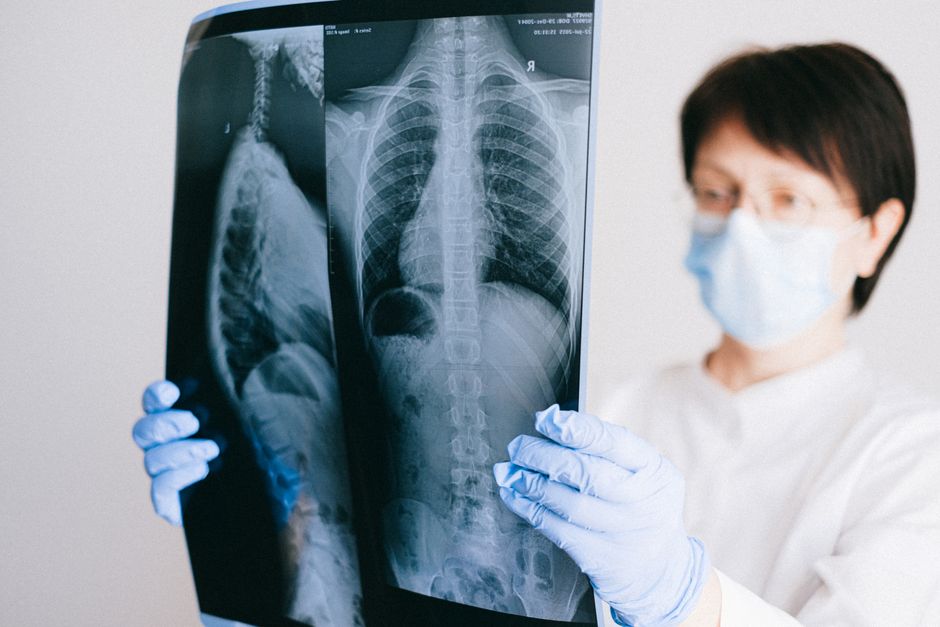
Thoracic radiculopathy happens when a nerve root in the mid-back gets compressed or irritated, sending pain, numbness, or tingling along the path of that nerve. The most common causes are degenerative disc disease and osteophytes — bony spurs that form as the spine ages. It gets missed so often because thoracic nerve problems produce symptoms that look like heart problems, stomach problems, or pulled muscles, and because this part of the spine is harder to image clearly than the neck or lower back.
What Is Thoracic Radiculopathy?
Radiculopathy means a nerve root is not working right. The term comes from radicula, Latin for “small root.” In the thoracic spine, those roots branch off between the ribs and carry sensation and muscle signals for the chest wall, upper abdomen, and back.
The thoracic spine is the section between your neck and lower back. It has 12 vertebrae, labeled T1 through T12, and each one has a nerve root on the left and right side. When one of those roots gets squeezed or inflamed, you feel it in the territory that nerve serves — not necessarily at the spot where the problem is.
That referred pattern is the whole story of why this condition is confusing. A pinched nerve at T8 can produce a band of pain wrapping around one side of the rib cage. Nothing is wrong with the ribs. The nerve is the problem.
Thoracic radiculopathy is much less common than radiculopathy in the neck (cervical) or lower back (lumbar). Estimates vary, but most spine clinics see far fewer thoracic cases. The lower prevalence is part of why clinicians think of it later in the diagnostic process.
What Causes Thoracic Radiculopathy And Why Is It Missed?
Degenerative changes are the leading cause in adults. As discs lose water content and height over decades, the vertebrae settle closer together. The body responds by building bone at the edges — osteophytes. Those spurs can narrow the opening where the nerve exits, a space called the neural foramen.
Other causes include:
- Herniated thoracic disc. Less common than in the lumbar spine because the thoracic cage limits movement, but it happens. Most thoracic herniations occur in the lower thoracic segments.
- Spinal stenosis. Narrowing of the central canal or the foramen. In the thoracic spine this often relates to degenerative changes or, less often, a congenitally narrow canal.
- Trauma. Fractures, especially compression fractures from falls or osteoporosis, can impinge on a nerve root.
- Infection or inflammation. Discitis, epidural abscess, and inflammatory conditions can irritate nerve roots. These are uncommon but need prompt attention.
- Tumors. Primary spine tumors are rare. Metastatic disease spreading to the spine is more common than primary tumors and can compress roots.
- Diabetes. Diabetes can cause a painful radiculopathy, sometimes called diabetic radiculoplexus neuropathy, though the mechanism differs from mechanical compression.
Why is it missed? Several reasons stack up.
First, the symptoms imitate other conditions. Chest pain sends people to a cardiologist. Upper abdominal pain sends them to a gastroenterologist. A band of pain around the ribs gets called a muscle strain or shingles. Each of those is a reasonable first guess — and often correct. Thoracic radiculopathy sits lower on the list.
Second, imaging the thoracic spine is genuinely harder. The rib cage and surrounding structures make it difficult to get a clean look with plain X-rays. MRI does a better job, but the thoracic cord is long and narrow, and small compressive lesions can be easy to overlook on a standard read.
Third, thoracic radiculopathy is uncommon enough that many clinicians have seen few cases. Pattern recognition works against you when the pattern is rare.
Fourth, symptoms can be vague. Instead of a sharp, obvious pain, you might get a dull ache, a sense of tightness, or tingling that comes and goes. Vague symptoms get vague workups.
What Does Thoracic Radiculopathy Feel Like?
The hallmark is pain that follows a nerve’s path. Because thoracic nerves wrap around the rib cage, that often means a band of pain, burning, or aching on one side of the chest or upper abdomen. The pain may be sharp or dull. It can be constant or come in waves.
Other common symptoms include:
- Numbness or a “pins and needles” feeling in a strip along the chest wall or abdomen
- Increased sensitivity — clothing or light touch feels uncomfortable
- Muscle weakness in the trunk, which is hard to notice because trunk muscles are large and we rarely test them deliberately
- Pain that worsens with certain movements, coughing, or sneezing
One important point: thoracic radiculopathy rarely causes bowel or bladder problems or leg weakness. When it does — or when you lose sensation in the groin area — that is a red flag for spinal cord compression, which is a medical emergency. Seek care immediately.
How Is Thoracic Radiculopathy Diagnosed?
Diagnosis starts with a careful history and physical exam. A clinician will ask where the pain is, what makes it better or worse, and whether there is any weakness or numbness. They will test sensation, reflexes, and strength.
Because the symptoms overlap with heart and stomach conditions, the first steps often rule those out. An electrocardiogram can check the heart. Blood tests and imaging can check the abdomen. Only after those come back clear does the spine get a closer look.
MRI is the imaging test of choice for nerve root compression. It shows soft tissue — discs, nerves, and the spinal cord — better than X-rays or CT. But MRI findings do not always match symptoms. Many adults have disc bulges and osteophytes on MRI with no pain at all. That means the scan has to be read alongside the exam, not in isolation.
Electromyography and nerve conduction studies can help confirm which nerve root is involved, but they are less reliable in the thoracic spine than in the limbs because the muscles are harder to isolate.
How Is Thoracic Radiculopathy Treated?
Most cases improve without surgery. Conservative care is the first line, and for many people it is enough.
Common approaches include:
- Activity modification. Avoiding movements that provoke the pain while staying generally active.
- Physical therapy. Strengthening the back and core, improving posture, and stretching tight muscles. The evidence for specific exercise protocols in thoracic radiculopathy is limited compared with lumbar radiculopathy, so programs are often adapted from what works elsewhere.
- Pain medications. Over-the-counter options like acetaminophen or NSAIDs are often used. For nerve pain, some clinicians prescribe medications also used for other neuropathic pain, such as gabapentin or pregabalin. Evidence for these specifically in thoracic radiculopathy is limited.
- Nerve blocks or epidural steroid injections. These deliver medication near the irritated nerve. They are used more often when pain is severe or not improving. Evidence for their effectiveness in the thoracic spine is less robust than for the lumbar spine.
Surgery is reserved for cases with progressive weakness, spinal cord compression, or pain that does not improve after a reasonable course of conservative care. Thoracic spine surgery is technically demanding because of the rib cage and the proximity of the spinal cord. It is not a first-line option.
There is no single timeline that fits everyone. Some people improve in weeks. Others take months. A minority have persistent symptoms. The honest position is that recovery varies, and predicting it for any one person is difficult.
When Should You See a Doctor?
See a doctor for chest or abdominal pain that is new, persistent, or unexplained. That advice holds even if you suspect a muscle strain. Heart and abdominal conditions can mimic nerve pain, and ruling them out matters.
Seek emergency care if you have:
- Loss of bowel or bladder control
- Numbness in the groin or inner thighs
- Sudden weakness in the legs
- Severe pain after a fall or injury
These can signal spinal cord compression, which needs urgent treatment.
Frequently Asked Questions
What causes thoracic radiculopathy?
The most common cause is degenerative change — disc wear and bone spurs that narrow the space where a nerve root exits the spine. Less common causes include herniated discs, fractures, infections, and tumors.
Why is thoracic radiculopathy often missed?
Its symptoms mimic heart, stomach, and muscle problems, so the spine is often not considered first. Imaging the thoracic spine is also harder than imaging the neck or lower back, and the condition is uncommon enough that many clinicians see few cases.
Can thoracic radiculopathy go away on its own?
Many cases improve with conservative care like activity modification and physical therapy. Recovery timelines vary widely, and some people have persistent symptoms that need further treatment.
Is thoracic radiculopathy the same as a pinched nerve?
Yes, in plain terms. Radiculopathy means a nerve root is compressed or irritated, which is what people usually mean by a pinched nerve. The difference is location — thoracic refers to the mid-back section of the spine.
