
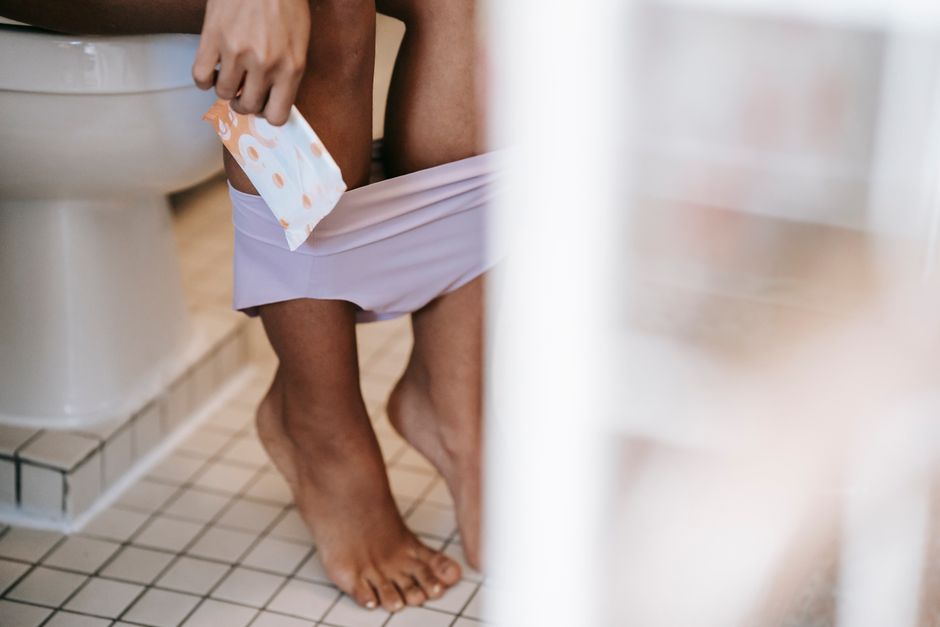
When the bladder does not empty completely, the medical term is urinary retention. This condition means that after you urinate, a significant amount of urine stays behind in the bladder. The causes range from simple issues like a urinary tract infection or constipation to more complex problems involving the nerves or muscles that control the bladder. For men, an enlarged prostate is a very common cause, while for women, a dropped bladder or pelvic organ prolapse can be the culprit.
What Does It Mean When The Bladder Does Not Empty Completely?
Normally, your bladder fills with urine and sends a signal to your brain when it is full. When you are ready to go, the bladder muscle squeezes and a valve at the bottom opens to let urine out. When this process fails, urine stays behind. This is known as incomplete bladder emptying.
Doctors call the leftover amount the post-void residual (PVR) urine volume. A small amount is normal, but a large amount can cause problems. Over time, urine that stays in the bladder can lead to infections, stones, or kidney damage.
What Are The Most Common Causes?
The causes of incomplete emptying fall into three main groups: physical blockages, nerve problems, and muscle weakness. Each affects the bladder in a different way.
Physical Blockage (Obstruction)
Something physically blocks the flow of urine out of the bladder. In men, the most frequent cause is an enlarged prostate. The prostate surrounds the urethra, the tube that carries urine out. When it grows, it squeezes that tube shut.
In women, a condition called pelvic organ prolapse can cause a blockage. This happens when the bladder, uterus, or rectum drops from its normal position and presses against the urethra. Urethral strictures — narrowed areas in the urethra from scar tissue — can also block flow in both men and women.
Nerve Problems (Neurogenic Bladder)
Nerves carry the messages between your bladder and your brain. If these nerves are damaged, the bladder may not get the signal to squeeze, or the valve may not open properly. Diabetes is a leading cause of nerve damage that affects the bladder. Other causes include spinal cord injuries, stroke, Parkinson’s disease, multiple sclerosis, and long-term alcohol abuse.
Muscle Weakness (Underactive Bladder)
Sometimes the bladder muscle itself is too weak to push urine out. This is called an underactive bladder or detrusor underactivity. The muscle fails to contract strongly enough or for long enough to empty the bladder fully. Aging can play a role, but so can certain medications and chronic over-distention of the bladder from holding urine too long.
What Medications Can Cause Urinary Retention?
Certain medications can interfere with the bladder’s ability to contract or with the valve that opens to release urine. If you started a new medicine around the same time your symptoms began, that medicine deserves a close look.
- Antihistamines — found in allergy and cold medicines
- Decongestants — found in cold and sinus products
- Muscle relaxants — used for back pain or spasms
- Anticholinergics — used for overactive bladder, depression, or Parkinson’s disease
- Opioid pain relievers — such as codeine or morphine
- Some blood pressure medications
These medicines can relax the bladder muscle too much or tighten the valve at the bottom of the bladder. If a medication is the cause, your doctor may adjust the dose or switch you to an alternative. Never stop a prescription medicine on your own without talking to your doctor first.
What Symptoms Should You Watch For?
Incomplete emptying does not always feel the same for everyone. Some people feel a constant urge to go, while others feel like they never quite finish. Common symptoms include a weak urine stream, dribbling after urination, and the feeling that your bladder is still full. You might also need to strain to start urinating or go again shortly after finishing.
More serious symptoms include pain in the lower belly, an urgent need to urinate with little output, or the complete inability to urinate. That last symptom is a medical emergency. If you cannot pass urine at all and your lower abdomen is swollen and painful, seek emergency care right away. Complete urinary retention can damage the kidneys if untreated.
How Is Urinary Retention Diagnosed?
Doctors start with a medical history and a physical exam. They may press on your lower belly to check for a full bladder. For men, a digital rectal exam checks the size and shape of the prostate. For women, a pelvic exam checks for prolapse or other structural issues.
The key test is a post-void residual measurement. You urinate into a special container, and then a doctor uses an ultrasound scanner to measure how much urine remains in your bladder. A normal PVR is typically under 50 milliliters. A PVR above 200 milliliters is generally considered significant, though doctors interpret this number in the context of your symptoms and overall health.
Other tests may include a urine sample to check for infection, urodynamic testing to measure bladder pressure and flow, or imaging like a CT scan or cystoscopy to look for blockages.
What Are The Treatment Options?
Treatment depends entirely on the underlying cause. There is no single fix for incomplete emptying.
For an enlarged prostate, medications can relax the prostate muscle or shrink the prostate tissue. In more advanced cases, surgical procedures can remove part of the prostate. For pelvic organ prolapse in women, a pessary — a supportive device inserted into the vagina — can help, or surgery can correct the prolapse.
For nerve-related causes, the approach is different. Some people benefit from medications that help the bladder muscle contract. Others need to use a catheter — a thin tube inserted through the urethra into the bladder — to drain urine at scheduled times during the day. This process is called clean intermittent catheterization, and it is a safe and effective way to fully empty the bladder when other methods do not work.
Behavioral strategies can also help. Double voiding means urinating, waiting a short time, and then trying again to empty more completely. Pelvic floor physical therapy can help some people coordinate the muscles involved in urination. These techniques do not cure the underlying problem, but they can reduce the amount of urine left behind.
Can Incomplete Emptying Cause Long-Term Damage?
Yes, if left untreated. Urine that sits in the bladder is a breeding ground for bacteria. This raises the risk of recurrent urinary tract infections. Over time, the bladder wall can stretch and lose its elasticity, making the problem worse.
Stones can form from concentrated urine that never fully drains. In severe cases, the pressure from a constantly full bladder can back up into the kidneys. This is called hydronephrosis, and it can permanently damage kidney function. The good news is that these complications are largely preventable with proper diagnosis and treatment.
When Should You See A Doctor?
See a doctor if you notice a change in your urinary habits that lasts more than a few days. This includes a weaker stream, the feeling of incomplete emptying, frequent urination, or waking up multiple times at night to urinate. Early evaluation is important because it can identify the cause before complications develop.
Seek emergency care immediately if you cannot urinate at all, if you have severe lower abdominal pain with a full bladder, or if you pass blood in your urine. These can signal a blockage that needs urgent treatment.
Frequently Asked Questions
Is incomplete bladder emptying dangerous?
It can be if left untreated because it raises the risk of urinary tract infections, bladder stones, and kidney damage. Early diagnosis and treatment usually prevent these complications.
Can drinking more water help empty the bladder?
Drinking more water does not fix the underlying cause of incomplete emptying. Staying hydrated is generally good for bladder health, but if a blockage or nerve problem exists, extra fluids will not solve it.
What is the normal amount of urine left in the bladder after urinating?
A post-void residual under 50 milliliters is generally considered normal. Values above 200 milliliters are usually considered significant and warrant further evaluation.
Can incomplete emptying go away on its own?
It depends on the cause. If a temporary factor like a urinary tract infection or a medication is responsible, it may resolve once that issue is treated. Causes like an enlarged prostate or nerve damage typically require ongoing management.
