
Tachycardia in COPD patients happens when the heart beats faster than normal to meet the body’s demand for oxygen. In COPD, damaged airways and lung tissue make it harder to move oxygen into the blood, so the heart compensates by pumping faster. Other common drivers include low blood oxygen, certain inhaled medicines, infections, and the strain COPD places on the heart itself.
A normal resting heart rate is usually between 60 and 100 beats per minute. Tachycardia means a resting rate above 100. In COPD, a fast heart rate is not just a number on a monitor. It often points to something the body is struggling with, and it deserves attention.
What Causes Tachycardia In COPD Patients?
The most direct cause is low oxygen in the blood, a condition called hypoxemia. When oxygen levels fall, the body senses the shortfall and signals the heart to speed up so it can circulate whatever oxygen is available more quickly. This is a normal reflex, but in COPD it can run constantly if the lungs cannot keep up.
Several other factors commonly overlap with this:
- Low oxygen (hypoxemia): The single most common driver. The heart races to compensate for oxygen the lungs cannot deliver.
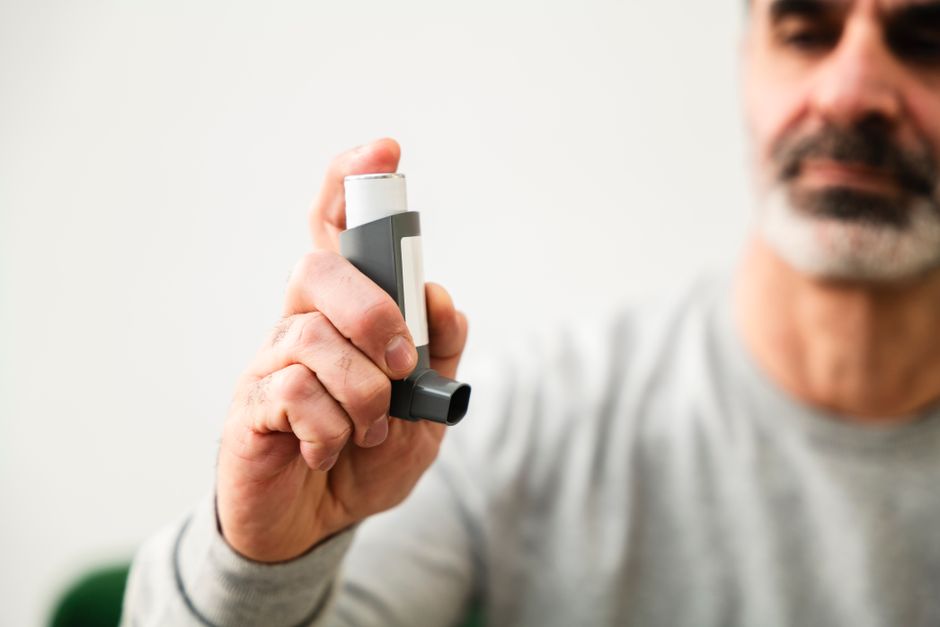
- Inhaled bronchodilators: Beta-agonist medicines such as albuterol and salmeterol can raise heart rate directly. This is a known side effect, not a sign the medicine is wrong, though the dose and type matter.
- Respiratory infections: A flare-up of COPD, often triggered by infection, raises oxygen demand and worsens gas exchange at the same time.
- Carbon dioxide retention: In more advanced COPD, carbon dioxide builds up in the blood. The body responds by increasing heart rate and breathing effort.
- Heart strain from COPD: Long-standing lung disease can raise pressure in the blood vessels of the lungs, which puts extra load on the right side of the heart.
- Deconditioning and anxiety: Both are common in COPD and both can push heart rate up.
It helps to separate two ideas that often get blended together. Some tachycardia is the body doing exactly what it should under stress. Other tachycardia is a separate heart rhythm problem that happens to occur in someone who also has COPD. The distinction matters because the treatment is different.
How Does Low Oxygen Make The Heart Beat Faster?
When oxygen in the blood drops, sensors in the carotid arteries and aorta detect the change and send signals to the brainstem. The brainstem then increases sympathetic nervous system activity, which tells the heart to beat faster and harder. This is the body’s attempt to keep oxygen delivery to organs steady.
The heart rate increase is proportional to how low oxygen falls and how quickly. A gradual, mild drop may cause little change. A sudden or larger drop produces a more obvious rise. This is why a COPD flare can send heart rate up quickly while a stable baseline may cause only mild elevation.
This reflex is why pulse oximetry and heart rate are checked together. A fast heart rate alongside a falling oxygen saturation reading tells a clearer story than either number alone.
Can COPD Medicines Cause A Fast Heart Rate?
Yes. Beta-agonist bronchodilators are the most common culprit. These medicines work by relaxing the smooth muscle around the airways, but they also act on beta receptors in the heart, which can increase heart rate. Short-acting beta-agonists like albuterol are more likely to cause a noticeable rise than long-acting ones used at a stable maintenance dose.
Anticholinergic bronchodilators such as tiotropium are less likely to raise heart rate but are not entirely free of cardiac effects. Theophylline, an older medicine used less often now, is well known to cause tachycardia and palpitations, especially at higher blood levels.
This does not mean these medicines are unsafe. It means the heart rate effect is real and expected to some degree. If a fast heart rate appears after starting or increasing a bronchodilator, that is worth reporting to a clinician. Dose adjustment or a change in medicine is sometimes appropriate, but this decision belongs to a prescriber, not the patient alone.
When Is A Fast Heart Rate A Sign Of Something Serious?
A fast heart rate in COPD becomes more concerning when it comes with other signs. These include chest pain, fainting or near-fainting, severe shortness of breath that is worse than usual, confusion, or a bluish tint to the lips or fingertips. These symptoms suggest the body is not getting enough oxygen or that the heart itself is under strain.
Some situations deserve urgent medical attention rather than watchful waiting:
- Heart rate that stays high at rest and does not settle with rest and usual treatment
- A drop in oxygen saturation along with a rising heart rate
- New palpitations or an irregular rhythm
- Fever, increased cough, or a change in sputum that suggests infection
This is not a complete list, and it is not a substitute for clinical judgment. The point is that tachycardia in COPD is a signal, and the context around it determines how urgently it needs to be checked.
How Is Tachycardia In COPD Evaluated?
Evaluation starts with the basics: heart rate, oxygen saturation, breathing rate, and symptoms. A clinician will want to know whether the fast heart rate is new, how long it lasts, what brings it on, and what medicines the person takes.
An electrocardiogram is commonly done to see whether the rhythm is a normal sinus tachycardia or something else, such as atrial fibrillation. Atrial fibrillation is more common in people with COPD than in the general population, and it can cause a fast, irregular heart rate that needs separate treatment.
Blood tests can check for infection, anemia, and thyroid problems, all of which can raise heart rate. Anemia is worth highlighting because it reduces the blood’s oxygen-carrying capacity, so the heart has to work harder to deliver the same amount of oxygen. It can quietly worsen breathlessness and heart rate in COPD and is easy to overlook.
Lung function tests and, in some cases, blood gas measurements help show how well gas exchange is working. The goal is not just to slow the heart but to find and address what is driving it.
What Does Treatment Usually Involve?
Treatment depends on the cause. If low oxygen is the driver, supplemental oxygen may be prescribed for people who meet specific criteria based on blood oxygen levels measured by a clinician. Oxygen is not a general treatment for breathlessness in COPD, and it is not appropriate for everyone. It is prescribed when testing shows it is needed.
If a bronchodilator is contributing, the prescriber may adjust the dose or type. If infection is the trigger, treating the infection is the priority. If a separate heart rhythm problem such as atrial fibrillation is found, that gets its own treatment, which may involve medicines to control rate or rhythm.
General measures that support the heart and lungs include staying current with vaccinations to reduce infection risk, avoiding smoke and other lung irritants, and following a pulmonary rehabilitation program where available. Pulmonary rehabilitation is well supported for improving exercise capacity and reducing breathlessness in COPD, though its effect on resting heart rate specifically is not the main outcome studied.
What Should You Track At Home?
A simple log of resting heart rate, oxygen saturation, and symptoms can give a clinician useful information. Note the time of day, what you were doing, and whether you had recently used a rescue inhaler. Patterns matter more than single readings.
Do not adjust medicines on your own based on heart rate readings. A fast heart rate can have more than one cause at once, and changing a bronchodilator dose without guidance can worsen breathing.
One clarification worth making: a heart rate that rises during activity or a mild flare is not automatically dangerous, and a heart rate that is normal at rest does not rule out a problem. The trend and the whole picture are what count.
Frequently Asked Questions
Can COPD alone cause a fast heart rate?
Yes. Low oxygen from impaired gas exchange is a common reason the heart speeds up in COPD, even without another trigger. The heart is compensating for oxygen the lungs cannot deliver efficiently.
Is a fast heart rate dangerous in COPD?
It depends on the cause and the symptoms. A fast rate with chest pain, fainting, or worsening breathlessness needs urgent evaluation, while a mild rise during a flare may be expected.
Do inhalers raise heart rate in COPD?
Beta-agonist inhalers such as albuterol can raise heart rate because they act on beta receptors in the heart as well as the airways. This is a known side effect and worth mentioning to a prescriber if it is bothersome.
When should I see a doctor for tachycardia with COPD?
See a doctor if the fast heart rate is new, persistent at rest, or comes with chest pain, fainting, confusion, or a drop in oxygen saturation. These signs suggest the cause needs prompt evaluation.
