
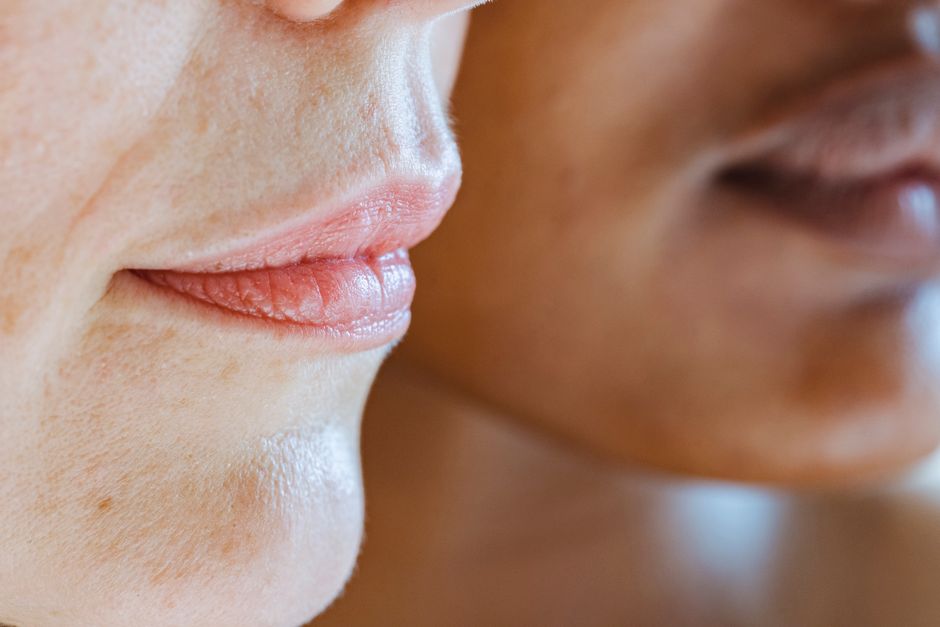
Waking up with swollen lips usually means fluid has collected in the lip tissue overnight. The most common causes are an allergic reaction, a reaction to a product you used before bed, angioedema, a habit like lip licking or biting, or a mild infection. Most morning swelling is temporary and settles within a few hours, but swelling that comes with trouble breathing or a swollen tongue is a medical emergency.
Lips are one of the most sensitive parts of the face. They have a thin outer layer, a rich blood supply, and loose connective tissue that holds fluid easily. That combination makes them quick to swell when something irritates them or triggers a reaction. The timing matters too. Many triggers act while you sleep, which is why the swelling is often worst when you wake up.
What Causes Swollen Lips In The Morning?
Swelling that appears overnight almost always points to something that touched your lips or entered your body during the night. Allergic reactions are the leading explanation, followed by irritation from products, minor injury from habits like biting or licking, and in some cases a mild infection.
Here is what is happening underneath. When the immune system detects something it treats as a threat, it releases histamine and other chemicals. These chemicals make blood vessels leak fluid into nearby tissue. In most parts of the body that fluid spreads out. In the lips, the tissue is loose enough that the fluid gathers and the lip visibly puffs up. This is why lip swelling can look dramatic even when the trigger is minor.
The overnight timing narrows the list of suspects considerably. Anything that happened hours before bed is less likely to be the cause than something that was present while you slept. That includes your pillowcase, your toothpaste, a lip balm, a new food, or an insect that got into the bedroom.
Is It an Allergic Reaction?
An allergic reaction is the single most common reason for lips to swell during sleep. The reaction can be to something you ate, something you put on your skin, or something you breathed in.
Food is a frequent trigger. Common culprits include nuts, shellfish, eggs, milk, soy, and wheat. A reaction can start within minutes of eating or take a couple of hours, which means a food eaten at dinner can cause swelling by morning. If you have eaten a food many times without trouble and then react, that is possible but less common. Most food allergies show up the first few times a person eats the food.
Skincare and lip products are another major source. Lip balm, lipstick, toothpaste, mouthwash, and even the detergent on your pillowcase can trigger contact swelling. The skin on the lips is thin, so ingredients absorb more easily there than on other parts of the face. A product you have used for years can suddenly cause a reaction, because allergies can develop at any point in life.
Environmental triggers matter too. Dust mites live in bedding, and pollen can settle on pillows. If your swelling tends to happen on certain days or in certain seasons, that pattern is worth noting.
What Is Angioedema?
Angioedema is swelling deep in the skin and tissue, and it often affects the lips, eyes, tongue, and throat. It is the medical term for the kind of swelling that makes a lip look puffy and tight rather than red and itchy.
There are two main types. The first is histamine-driven, which is essentially the same process as an allergic reaction and responds to allergy treatment. The second is bradykinin-driven, which is not an allergy at all. This second type is linked to certain blood pressure medications and to rare inherited conditions. It does not respond to antihistamines, and it can be more serious because it may affect the airway.
Angioedema that involves only the lips and settles within a day or two is usually not dangerous. Swelling that spreads to the tongue, the floor of the mouth, or the throat, or that makes it hard to breathe or swallow, needs emergency care right away. This is not a wait-and-see situation.
One detail worth knowing: a class of blood pressure medicines called ACE inhibitors is a well-documented cause of angioedema. This can develop months or even years after starting the drug, not just at the beginning. If you take one of these medications and have recurring lip swelling, that is a conversation to have with your prescriber rather than something to dismiss.




Could It Be a Habit or Minor Injury?
Sometimes the cause is mechanical rather than allergic. The lips can swell from repeated licking, biting, or sucking during sleep, and many people do these things without knowing it.
Lip licking is a common habit, especially in dry weather. Saliva contains enzymes that break down the skin’s protective barrier. As the lips dry out, the urge to lick increases, and the cycle repeats. Over time this causes irritation and swelling that is worst in the morning after a night of unconscious licking.
Biting or chewing on the lips in your sleep can cause low-grade injury. The swelling that follows is the body’s normal response to tissue damage. You may notice a small sore or a tender spot along with the puffiness.
Pressure from sleeping face-down on a pillow can also leave lips temporarily puffy. This kind of swelling usually fades within an hour of getting up and shifting position.
When Should Swollen Lips Be Checked by a Doctor?
Most morning lip swelling is harmless and clears on its own. Certain signs mean you should not wait.
- Swelling of the tongue, throat, or the area under the jaw
- Difficulty breathing, swallowing, or a hoarse or muffled voice
- Swelling that keeps getting worse instead of settling
- Swelling that lasts more than a day or two
- Swelling that comes with fever, spreading redness, or warmth, which can point to infection
- Repeated episodes with no clear trigger
Swelling of the tongue or throat with trouble breathing is an emergency. Call emergency services rather than waiting to see if it improves. This applies even if you have had mild lip swelling before, because reactions can escalate.
Recurring swelling with no obvious cause deserves a medical workup. A doctor can look at your medication list, review your diet and products, and consider whether allergy testing or other evaluation is warranted. Some cases of recurrent angioedema turn out to have a genetic or medication-related cause that is manageable once identified.
How Can You Tell What Triggered It?
Figuring out the cause is mostly a process of elimination. Because the swelling happens overnight, the most useful clues come from what changed in the hours before bed and what your lips came into contact with while you slept.
Start with a simple record. Note what you ate for dinner, any new products you used, whether you changed your bedding or laundry detergent, and how long the swelling took to go down. Patterns often emerge within a few weeks.
A few practical steps can help narrow it down:
- Switch to a fragrance-free, dye-free toothpaste and lip balm for a couple of weeks
- Wash bedding in hot water and use a fresh pillowcase
- Avoid the food you suspect for a short period, then note whether swelling stops
- Stop licking your lips and use a plain moisturizing balm during the day
- Review your medications with a pharmacist, especially blood pressure drugs
Do not remove a prescribed medication on your own. If you suspect a drug is involved, contact the prescriber. Some blood pressure medicines need to be stopped carefully and swapped for a different class, and that decision belongs with a clinician.
One clarification that surprises people: an allergy can develop to something you have used safely for years. A sudden reaction to a longtime lip balm or toothpaste is not unusual. The immune system does not always react on first exposure.
What Helps Swollen Lips Settle?
For mild, allergy-type swelling, a cool compress can ease discomfort and reduce puffiness. Over-the-counter antihistamines are commonly used for histamine-driven swelling, though their effect on lip swelling specifically varies from person to person. They do not help bradykinin-driven angioedema.
Avoiding the trigger is the most reliable approach once you have identified it. If you cannot find the trigger, or if swelling keeps returning, see a doctor rather than relying on repeated self-treatment. Persistent or worsening symptoms are a signal to get evaluated, not to keep guessing.
Frequently Asked Questions
What causes swollen lips when you wake up?
The most common cause is an allergic reaction to something that touched your lips or entered your body overnight, such as food, lip balm, toothpaste, or bedding. Habits like lip licking or biting during sleep and mild infections can also cause it.
Should I worry about swollen lips in the morning?
Mild swelling that settles within a few hours is usually not serious. Swelling that spreads to the tongue or throat, or that makes breathing or swallowing hard, is an emergency and needs immediate medical care.
Can a food allergy cause lip swelling the next morning?
Yes. A food eaten at dinner can trigger swelling that shows up hours later, including by morning. If you notice a pattern with a specific food, that is worth discussing with a doctor.
Can blood pressure medication cause swollen lips?
Yes. ACE inhibitor blood pressure medicines are a documented cause of angioedema, which can include lip swelling. This can develop long after starting the drug, so do not stop the medication on your own; contact your prescriber.
