
Sexually transmitted infections are caused by more than 30 different organisms that pass from one person to another mainly through sexual contact. Those organisms fall into three broad groups: bacteria, viruses, and parasites. Each group behaves differently inside the body, which is why some STIs are cured with a short course of antibiotics while others stay with a person for life.
The germ matters. It decides how the infection spreads, what symptoms appear, how it is tested, and whether it can be cured or only managed. Understanding that difference clears up a lot of confusion about STIs in general.
What Causes STDs Bacteria Viruses And Parasites?
Transmission happens when a specific organism moves from an infected person to a partner through semen, vaginal fluid, blood, or direct skin-to-skin contact during sex. A few can also pass from a pregnant person to a baby during pregnancy, birth, or breastfeeding. Some spread through shared needles or, rarely, through blood products.
It helps to separate the word “STD” from “STI.” An infection is the organism living in the body. A disease is what happens when that infection causes symptoms or damage. Many people carry an STI with no symptoms at all, which is a major reason these infections spread so effectively.
Here is the full picture of which organism belongs to which group:
| Group | Common examples | Can it be cured? |
|---|---|---|
| Bacteria | Chlamydia, gonorrhea, syphilis | Yes, with antibiotics |
| Viruses | HIV, herpes, HPV, hepatitis B | No cure; managed with treatment |
| Parasites | Trichomoniasis, pubic lice | Yes, with specific medicines |
That table is the short version. The rest of this article explains why each group behaves the way it does.
Which STIs Are Caused by Bacteria?
Bacteria are single-celled organisms that can grow in the warm, moist linings of the reproductive tract. The three most common bacterial STIs are chlamydia, gonorrhea, and syphilis. All three are curable with antibiotics, but only if they are treated.
Chlamydia is caused by the bacterium Chlamydia trachomatis. It often produces no symptoms, especially in women. When symptoms do appear, they can include unusual discharge or a burning feeling when urinating. Untreated infection can move into the reproductive organs and cause pelvic inflammatory disease, which can lead to long-term fertility problems.
Gonorrhea comes from Neisseria gonorrhoeae, a bacterium that infects the same areas. It can also infect the throat and rectum. A growing concern is antibiotic resistance — the bacterium has developed resistance to many drugs used in the past, which is why current treatment relies on specific recommended regimens rather than older options.
Syphilis is caused by Treponema pallidum. It moves through distinct stages. An early painless sore called a chancre appears at the site of infection. Later, a rash and other symptoms can develop. If untreated, the infection can eventually damage the heart, brain, and other organs. Syphilis can also pass from a pregnant person to the baby, which is why screening in pregnancy matters.
One point worth knowing: bacterial STIs do not clear on their own just because symptoms fade. The organism can stay in the body quietly. That is why testing and completing the full course of antibiotics both matter.
Which STIs Are Caused by Viruses?
Viruses work differently from bacteria. They are not fully alive on their own. They get inside a person’s cells and use the cell’s machinery to copy themselves. This is why viral STIs are generally not curable with current medicine — the virus can hide in the body, sometimes for years, and treatments aim to control it rather than remove it.
HIV attacks immune cells called CD4 T cells. Without treatment, it weakens the immune system over time. With modern antiretroviral therapy, the amount of virus in the blood can be suppressed to levels that are undetectable, which protects the person’s health and prevents transmission to partners. This is one of the clearest success stories in medicine, and it rests on strong evidence.
Herpes (HSV-1 and HSV-2) causes painful blisters or sores, though many people have no noticeable symptoms. The virus settles into nerve cells and can reactivate later. Antiviral medicines can shorten outbreaks and reduce how often they happen, and they can lower the risk of passing the virus on.
Human papillomavirus (HPV) is the most common sexually transmitted infection. Most infections clear on their own within a couple of years. A small number of high-risk types can lead to cervical and other cancers over many years. Vaccines are available that prevent infection with the types most linked to cancer, and they are most effective when given before any sexual activity begins.
Hepatitis B is a virus that infects the liver. It spreads through blood, semen, and other body fluids. Many people clear it, but some develop a long-term infection that can lead to liver damage or liver cancer. A vaccine exists and is part of routine childhood immunization in the United States.
Which STIs Are Caused by Parasites?
Parasites are organisms that live on or inside a host and take what they need to survive. Two sexually transmitted examples are trichomoniasis and pubic lice.
Trichomoniasis is caused by a tiny single-celled parasite called Trichomonas vaginalis. It is more common in women than men, and most people who have it show no symptoms. When symptoms appear, they can include itching, burning, and discharge. It is treated with prescription medicine, and partners usually need treatment too to prevent reinfection.
Pubic lice are small insects that live in coarse body hair. They spread through close contact, including sexual contact, and can also spread through shared bedding or clothing. They are treated with medicated lotions or shampoos. They are not the same as head lice, which live on the scalp.
Parasitic STIs are less discussed than bacterial or viral ones, but they are common and treatable. The key is recognizing that itching or irritation is not always a sign of a bacterial infection.
How Do These Organisms Actually Spread?
Transmission depends on the organism and where it lives in the body. Some spread through fluids. Others spread through skin contact alone.
- Fluid-based spread: HIV, gonorrhea, chlamydia, and trichomoniasis pass through semen, vaginal fluid, or blood.
- Skin-to-skin spread: Herpes and HPV spread through direct contact with infected skin, even when no sores are visible.
- Blood spread: HIV and hepatitis B can pass through shared needles or, rarely, blood transfusions.
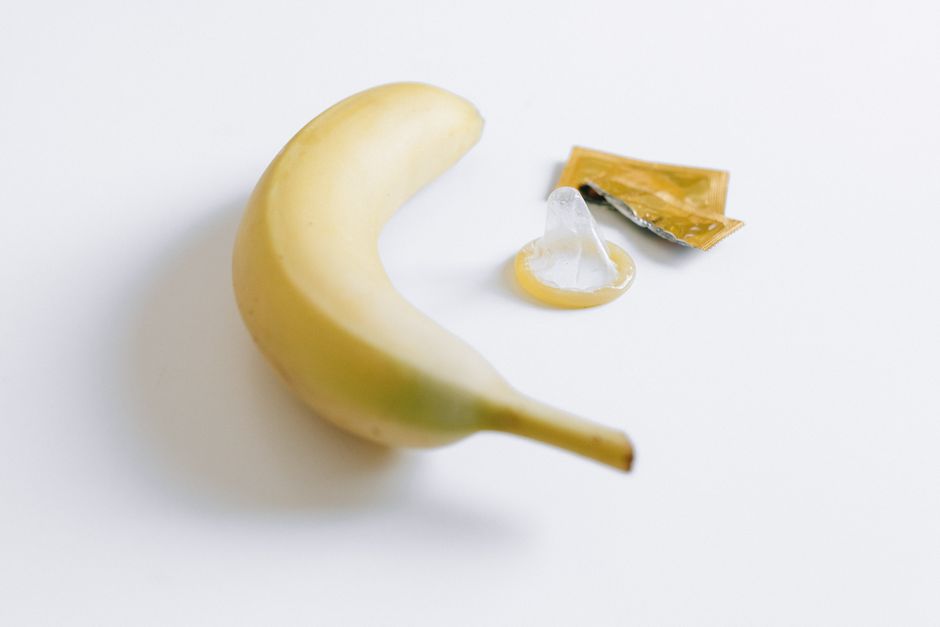
This is why barrier methods like condoms reduce risk for many STIs but do not eliminate risk for all of them. Condoms are highly effective at blocking fluid-based transmission. They offer less protection against skin-to-skin spread like HPV and herpes, because those can affect areas the condom does not cover.
A common misconception is that only certain people get STIs. In reality, anyone who is sexually active can be exposed. Age, relationship status, or appearance do not protect anyone.
Why Do Some STIs Have No Symptoms?
Many STIs cause no symptoms, especially early on. Chlamydia, gonorrhea, trichomoniasis, and HPV frequently go unnoticed. HIV can produce a brief flu-like illness soon after infection, then stay silent for years.
The reason is partly about how the body responds. The immune system does not always mount an obvious reaction to organisms living on mucosal surfaces. Without symptoms, a person has no reason to seek testing, and the infection can pass to partners without anyone knowing.
This is why routine screening exists. Screening means testing people who have no symptoms but may be at risk. It is one of the most effective tools public health has for catching infections early and breaking chains of transmission.
What About Prevention and Testing?
Prevention rests on a few well-established steps. Condoms reduce transmission of many STIs. Vaccines prevent HPV and hepatitis B. Regular testing catches infections early. Talking openly with partners about testing history helps too.
Testing depends on the organism. Bacterial STIs are usually detected with urine tests or swabs. HIV and syphilis are detected with blood tests. Herpes is often diagnosed by swabbing an active sore, though blood tests also exist. Trichomoniasis is detected through a swab or urine sample.
What you should not do is assume. If you are sexually active, especially with more than one partner or a partner whose status you do not know, testing is the only reliable way to know your status. Many clinics offer low-cost or free testing.
Frequently Asked Questions
Can STDs be caused by bacteria, viruses, and parasites at the same time?
Yes, a person can carry more than one STI at once, and this is not rare. Testing for multiple infections at the same time is common practice for this reason.
Which type of STD is the most common?
HPV is the most common sexually transmitted infection worldwide. Most sexually active people will be exposed to it at some point.
Do all STDs have a cure?
No. Bacterial and parasitic STIs can generally be cured with antibiotics or specific medicines, while viral STIs like HIV and herpes cannot be cured but can be managed with treatment.
Can you get an STD without having sex?
Some can spread through non-sexual routes, such as shared needles, blood exposure, or from a pregnant person to a baby. Herpes and HPV can also spread through skin-to-skin contact that does not involve intercourse.
