
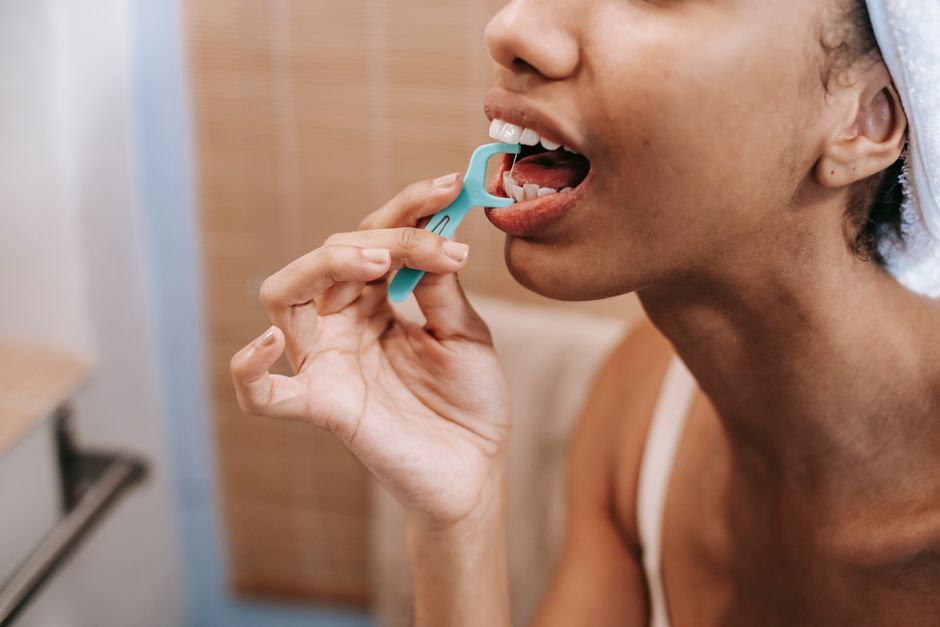
Teeth stain for two main reasons: colored molecules from foods and drinks settle into the outer enamel layer, and the inner dentin layer naturally darkens and thickens with age. Surface stains are the most common and most treatable type. Age-related color change is normal and happens to almost everyone. Some stains also come from medications, injury, or medical conditions, and those behave differently.
Knowing which type you have matters. It changes what actually works and what is a waste of money.
What Causes Stained Teeth Foods Aging And More?
Enamel is not a solid white shell. It is a hard, slightly porous mineral layer made mostly of calcium phosphate. Under a microscope, it has tiny channels and imperfections. Color compounds from food and drink work their way into those spaces and stay there.
Two things make enamel more vulnerable to this. First, acid softens the enamel surface temporarily. Second, enamel thins over a lifetime, which lets the darker dentin underneath show through.
Dentin is the layer beneath the enamel. It is naturally yellow-brown and gets darker with age. As enamel wears down and becomes more transparent, more of that dentin color reaches the surface. This is a structural change, not a cleaning problem. No toothpaste reverses it.
There is one detail many people miss. Teeth are not uniformly white to begin with. Natural tooth color varies widely between people, and a slight yellow tone is within the normal range. What looks like “staining” is sometimes just your natural dentin showing through thinner enamel.
Which Foods and Drinks Stain Teeth the Most?
The biggest dietary culprits share two features: strong color and acidity. Acid weakens enamel, which lets pigment penetrate more easily. Coffee, tea, and red wine are the classic examples, and all three are acidic as well as dark.
Other common staining foods and drinks include:
- Cola and other dark sodas, which combine color with phosphoric acid
- Dark berry juices, including grape and cranberry
- Tomato sauce and ketchup
- Curry and turmeric
- Soy sauce and balsamic vinegar
- Dark chocolate
- Beetroot
Tannins in tea and wine are a particular problem. These plant compounds bind to enamel proteins and help hold pigment in place. Tea can stain as much as coffee, and some research suggests black tea may be a stronger stainer than coffee in people who drink both regularly.
Frequency matters more than quantity. Sipping coffee slowly over two hours exposes enamel longer than drinking it in ten minutes. Rinsing with plain water after staining drinks helps, and so does using a straw for acidic beverages when practical.
How Does Aging Change Tooth Color?
Aging changes tooth color in ways no cleaning can undo. Enamel slowly thins from decades of chewing, acid exposure, and normal wear. At the same time, dentin thickens and darkens as more of it is laid down over a lifetime.
The result is a gradual shift toward yellow and gray tones that becomes noticeable in most people by middle age. This is normal physiology, not poor hygiene.
Age also brings other changes. Gum recession exposes the tooth root, which has no enamel covering at all. Root dentin is softer and more porous, and it stains faster and more deeply than enamel. Receded roots also pick up color from foods more readily.
Older dental work plays a role too. Fillings, crowns, and bonding materials do not change color with whitening. Over years, natural teeth may lighten while old restorations stay the same shade, creating a mismatch.
What Else Causes Stained Teeth Besides Food and Age?
Several non-dietary causes produce stains that behave differently from food stains. Some sit inside the tooth and do not respond to whitening the way surface stains do.
Medications. Tetracycline antibiotics can cause intrinsic staining when taken during tooth development, which is why they are generally avoided in pregnancy and in children under 8. Chlorhexidine mouthwash used long-term can cause brown surface staining. Some antihistamines and antipsychotic medications can contribute to dry mouth, which reduces saliva’s natural rinsing effect.
Injury. A blow to a tooth can damage the pulp and cause it to turn gray or pink over time. This is intrinsic staining and needs a dental exam, because a dead or dying tooth requires treatment.
Tobacco. Smoking and chewing tobacco cause significant yellow-brown staining. Nicotine and tar deposit directly on enamel and also work into the porous surface.
Fluorosis. Excess fluoride exposure during tooth development can leave white spots or, in more severe cases, brown mottling. This is a developmental change, not a stain sitting on the surface.
Medical conditions. Certain conditions can affect tooth color, including some liver disorders and rare metabolic diseases. These are uncommon, and a dentist can usually tell intrinsic staining from surface staining on exam.
Poor hygiene. Plaque and tartar buildup picks up pigment and holds it against the tooth. Tartar itself is yellow-brown and cannot be brushed away once formed. It requires professional removal.
What Kind of Stain Do You Have?
Stains fall into two categories, and the distinction drives everything about treatment. Extrinsic stains sit on the outside of the enamel. Intrinsic stains are inside the tooth structure.
| Feature | Extrinsic (surface) | Intrinsic (internal) |
|---|---|---|
| Location | Outer enamel | Dentin or inner tooth |
| Common causes | Coffee, tea, wine, tobacco, tartar | Aging, tetracycline, injury, fluorosis |
| Response to whitening | Usually good | Variable, often limited |
| Response to professional cleaning | Good | Minimal |
One simple test: extrinsic stains tend to concentrate near the gumline and between teeth, where plaque collects. Intrinsic color change is usually even across the whole tooth.
That test is not definitive. A dentist can confirm the type, and this matters because whitening products work best on surface stains and may do little for intrinsic color.
What Actually Removes or Reduces Stains?
Professional cleaning removes surface stains and tartar. That is well established. Polishing with abrasive paste lifts extrinsic pigment effectively, though it does not change the underlying tooth color.
Over-the-counter whitening products containing hydrogen peroxide or carbamide peroxide can lighten surface stains. The evidence supports modest effects for peroxide-based products, which is why they are regulated as cosmetics and generally considered safe when used as directed. Results vary, and they are not instant.
Professional whitening in a dental office uses higher peroxide concentrations and typically produces more noticeable results than at-home products. Some people experience temporary tooth sensitivity afterward. This is common and usually resolves.
For intrinsic stains, whitening may help somewhat but often does not fully resolve them. Options a dentist may discuss include bonding, veneers, or crowns, which cover the tooth surface rather than bleaching it. These are restorative choices, not stain removal.
What does not work well: abrasive “whitening” toothpastes with charcoal or strong abrasives. Charcoal toothpaste has been studied, and the evidence does not show meaningful whitening. Some abrasive products can wear enamel over time, which is counterproductive since thinner enamel makes dentin show through more.
No home remedy reliably removes intrinsic stains. Baking soda toothpaste can help with surface stains through gentle abrasion, but it does not penetrate enamel.
Can You Prevent Stains From Getting Worse?
You cannot stop aging, but you can slow the surface staining that adds to it. Rinsing with water after staining drinks helps. Reducing how long acidic drinks stay in contact with teeth matters more than cutting them out entirely.
Brushing twice daily with fluoride toothpaste and flossing protects enamel and limits plaque, which is where pigment collects. Regular professional cleanings remove tartar before it holds stains in place.
Waiting about 30 minutes to brush after acidic foods or drinks is a common recommendation. The reason is that acid softens enamel temporarily, and brushing right away may wear the softened surface. The evidence for the exact timing is not strong, but the general principle of not brushing immediately after acid exposure is widely accepted.
Quitting tobacco is the single most effective step for tobacco-related staining. It also removes a major risk factor for gum disease and oral cancer.
For people taking medications that cause dry mouth, discussing alternatives with a prescriber may help, since saliva helps rinse pigment away naturally.
When Should You See a Dentist About a Stain?
A stain on a single tooth deserves a dental visit. When one tooth changes color and the others do not, it can signal injury, a dying nerve, or decay beneath the surface. That is not a cosmetic issue.
Sudden color changes, dark spots, or stains that appear alongside pain, sensitivity, or a bad taste warrant prompt evaluation. So do white or brown spots that appear in patches, which may point to fluorosis or enamel defects.
For general yellowing with age, there is no medical urgency. It is a cosmetic concern, and treatment is optional. A dentist can confirm the stain type and explain realistic expectations before you spend money on whitening.
Frequently Asked Questions
Does coffee or tea stain teeth more?
Both stain teeth, and some research suggests black tea may stain as much or more than coffee because of its tannin content. How you drink them matters too, since sipping slowly over a long period exposes enamel longer.
Can yellow teeth from aging be whitened?
Whitening can lighten age-related yellowing somewhat, but results are usually more limited than with surface stains because the color comes from dentin inside the tooth. A dentist can tell you what to realistically expect.
Does charcoal toothpaste really whiten teeth?
The evidence does not show that charcoal toothpaste meaningfully whitens teeth. Some charcoal products are abrasive and may wear enamel over time, which can make teeth look more yellow, not less.
Why did one of my teeth turn gray?
A single gray or dark tooth often signals injury or damage to the pulp inside the tooth. This needs a dental exam, because a dying tooth requires treatment and will not respond to whitening.
