
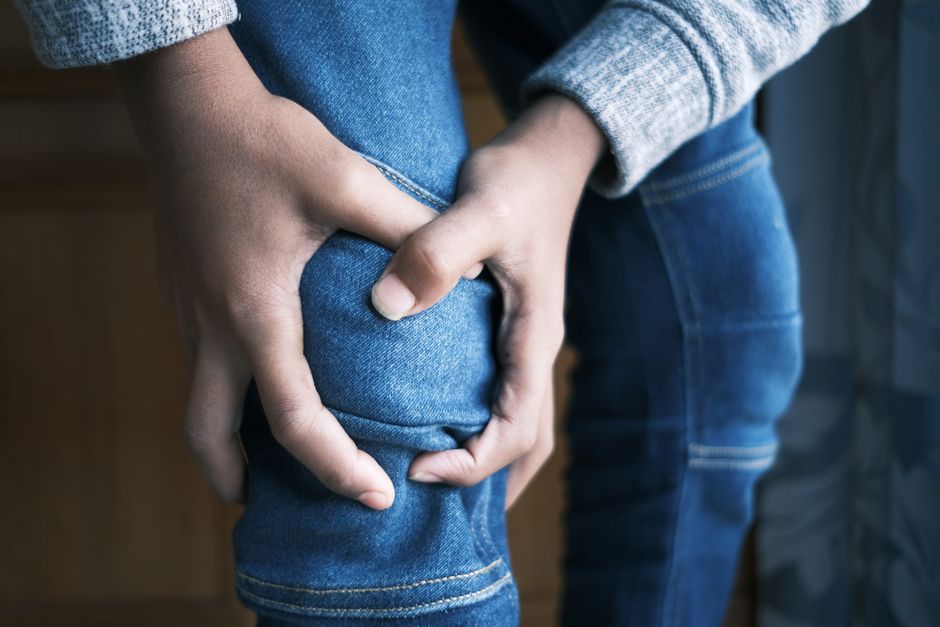
A sore knee is one of the most common reasons people visit a doctor or physical therapist, and it can happen to anyone at any age. The knee is the largest joint in the body, and it depends on a complex mix of bones, cartilage, ligaments, tendons, and fluid-filled sacs to work smoothly. When any one of those parts gets irritated, injured, or worn down, the result is pain. Most knee pain falls into two broad groups: sudden injuries from a specific event, and gradual pain that builds over time from repeated stress or age-related wear.
What Causes Sore Knee?
The cause of a sore knee depends largely on whether the pain arrived suddenly or crept in over weeks or months. Sudden pain usually points to a specific injury, while gradual pain tends to come from overuse, inflammation, or degenerative changes inside the joint.
Doctors often sort knee pain by where it hurts, because location gives strong clues about which structure is involved.
- Front of the knee: often related to the kneecap (patella) and the tendons or cartilage around it.
- Inside of the knee: commonly linked to the meniscus or the medial collateral ligament.
- Outside of the knee: often involves the iliotibial band or the lateral collateral ligament.
- Behind the knee: can involve a fluid-filled sac called a Baker’s cyst, or the hamstring tendons.
Knowing the difference between an acute injury and a chronic problem matters, because the two are managed differently. A torn ligament from a fall needs a very different approach than pain that built up from years of running.
What Are the Most Common Knee Injuries?
Acute knee injuries usually happen during sports, falls, or sudden twisting motions. Four injuries account for a large share of them.
Ligament tears. The knee has four main ligaments. The anterior cruciate ligament (ACL) is the one most often torn in sports that involve pivoting, like soccer and basketball. A torn ACL often produces a popping sound, rapid swelling, and a feeling that the knee is giving way.
Meniscus tears. The meniscus is a wedge of cartilage that cushions the knee. It can tear from a sudden twist or, in older adults, from something as minor as standing up from a squat. A torn meniscus often causes pain along the joint line and a catching or locking sensation.
Tendon injuries. Tendons connect muscle to bone. They can be stretched, partially torn, or completely torn. The patellar tendon and quadriceps tendon are common sites, especially in people who jump or run.
Fractures. The kneecap and the ends of the thigh and shin bones can break from a hard fall or impact. A fracture usually causes severe pain, swelling, and an inability to bear weight.
If you cannot put weight on the knee, cannot fully straighten it, or the knee looks deformed, that is a reason to seek medical care promptly rather than wait.
Why Does Knee Pain Get Worse With Age?
Osteoarthritis is the most common cause of knee pain in adults over 50. It is a disease of the whole joint, not just the cartilage. Over time, the cartilage that lines the ends of the bones thins and roughens, and the joint can no longer glide as smoothly as it once did.
Osteoarthritis is not simply “wear and tear” from use. Research has shown that inflammation, genetics, past injuries, and body weight all play a role. That is why some people who have never played sports develop it, and some lifelong runners do not.
Common signs include:
- Pain that worsens with activity and eases with rest
- Stiffness after sitting or waking, often lasting less than 30 minutes
- A grinding or crackling feeling when moving the knee
- Swelling that comes and goes
Age is a risk factor, but it is not a sentence. Many people with mild osteoarthritis on imaging have no pain at all, and many with pain have only modest changes on X-ray. The link between what shows up on a scan and how a knee feels is weaker than most people assume.
What Causes Sore Knee Without Injury?
Plenty of knee pain shows up with no clear event to blame. In these cases, the cause is usually cumulative stress or an inflammatory condition.
Overuse. Repeated activity without enough recovery can irritate tendons and the soft tissues around the kneecap. This is common in runners, cyclists, and people who suddenly increase how much they exercise.
Patellofemoral pain syndrome. This is pain around or behind the kneecap. It is one of the most common knee complaints in active adults and teenagers, and it often has no single clear cause. Muscle imbalances, weak hips, and a rapid jump in training volume are all thought to contribute.
Bursitis. Small fluid-filled sacs called bursae cushion the knee. They can become inflamed from kneeling a lot or from repeated pressure, producing a swollen, tender knee.
Inflammatory arthritis. Conditions like rheumatoid arthritis and gout can affect the knee. These tend to cause swelling, warmth, and stiffness, and they often affect other joints too. Gout typically produces a sudden, intense attack.
Referred pain. Sometimes the problem is not in the knee at all. A pinched nerve in the back or a problem in the hip can produce pain that is felt in the knee.
When Should You See a Doctor for Knee Pain?
Most mild knee pain improves on its own within a few weeks with rest and gentle activity. Certain signs, however, mean you should not wait.
- You cannot bear weight on the leg
- The knee is locked and cannot be straightened
- There is obvious deformity or a bone that looks out of place
- The knee is hot, red, and very swollen, especially with a fever
- Pain follows a serious fall or impact
- Numbness, tingling, or weakness in the leg or foot
A hot, swollen knee with a fever can signal an infection in the joint. That is a medical emergency and needs urgent care. Do not wait to see if it improves.
For pain that is persistent but not severe, a primary care doctor or physical therapist is a reasonable first stop. Imaging is not always needed. Many knee problems can be diagnosed and managed with a physical exam alone.
How Is Knee Pain Treated?
Treatment depends on the cause, but a few general approaches apply to many types of knee pain. The evidence is strongest for activity modification, targeted strengthening, and weight management where relevant.
Rest and activity adjustment. Reducing the activity that triggers pain, without stopping all movement, is often the first step. Complete rest can weaken the muscles that support the knee.
Physical therapy. Strengthening the muscles around the knee and hip is one of the best-supported treatments for many knee problems, including osteoarthritis and patellofemoral pain. It does not work overnight, but the evidence for it is solid.
Weight management. For people who carry extra weight, losing weight can reduce load on the knee. This is one of the more consistent findings in knee osteoarthritis research.
Pain relievers. Over-the-counter options like acetaminophen and nonsteroidal anti-inflammatory drugs (NSAIDs) can ease pain. They treat symptoms, not the underlying cause, and long-term use carries risks. Talk with a doctor or pharmacist about what is appropriate for you.
Injections and surgery. Corticosteroid injections can reduce inflammation for a period, though the benefit tends to fade. Surgery is reserved for specific problems, such as a torn ligament in an active person or advanced arthritis that has not responded to other care. Not every knee problem needs an operation, and many do not.
Can You Prevent Sore Knees?
Not all knee pain is preventable, but some of it is. The strategies with the best support are unglamorous and steady.
- Build strength in the thighs, hips, and core to support the joint
- Increase activity gradually rather than in big jumps
- Warm up before intense exercise and vary your training
- Maintain a healthy body weight
- Wear supportive shoes and replace worn athletic footwear
There is no single exercise or supplement proven to prevent knee pain in everyone. Be cautious of products that claim to rebuild cartilage or cure arthritis. No oral supplement has been shown to reverse cartilage loss, and claims otherwise are not supported by strong evidence.
Frequently Asked Questions
What is the most common cause of a sore knee?
Osteoarthritis is the most common cause in adults over 50, while overuse injuries and patellofemoral pain are more common in younger, active people. The exact cause depends on your age, activity level, and whether the pain started suddenly or gradually.
Should I worry about a sore knee that comes and goes?
Intermittent knee pain is often related to activity levels or mild inflammation and frequently improves with rest and strengthening. See a doctor if it keeps returning, worsens over time, or comes with swelling, locking, or instability.
Can a sore knee heal on its own?
Many mild cases of knee pain improve within a few weeks with rest and gentle activity. Injuries like a torn ligament or a locked knee usually do not heal on their own and need medical evaluation.
When is knee pain an emergency?
A knee that is hot, red, very swollen, and paired with a fever may be infected and needs urgent care. You should also seek prompt help if you cannot bear weight, the knee is locked, or there is a clear deformity.
