
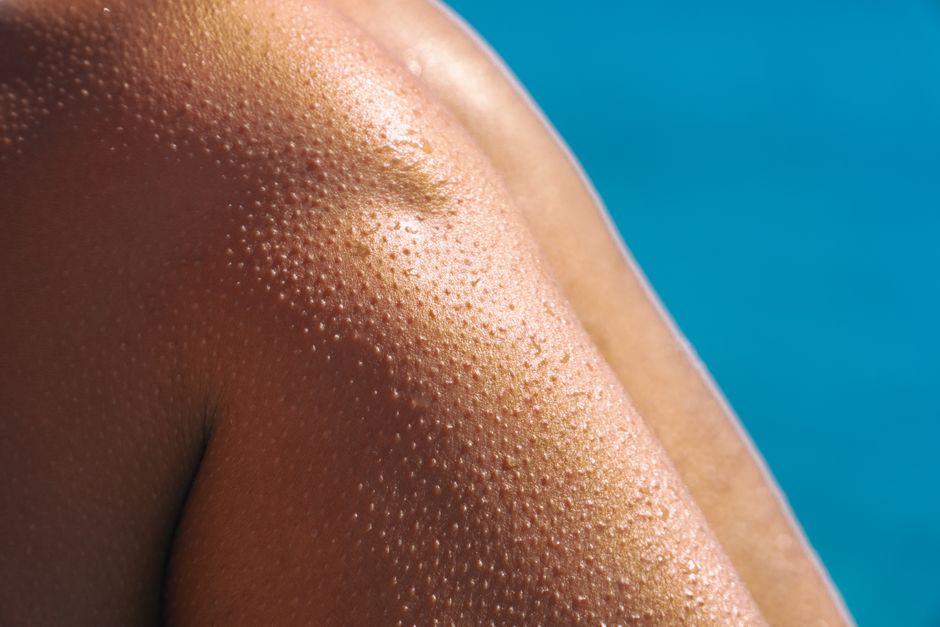
You notice them in the mirror — a scatter of tiny red dots on your arm, chest, or face. Most small red spots on the skin are harmless. They come from tiny blood vessels near the surface, from the skin’s normal response to sun and aging, or from common inflammatory conditions like acne and eczema. A few causes are worth a doctor’s look, but the great majority are benign and need no treatment at all.
What follows is an honest breakdown of the common causes, how to tell them apart, and the specific signs that mean you should get a spot checked rather than watch it.
What Causes Small Red Spots On Your Skin?
Small red spots have three broad sources: blood vessels, inflammation, and — less often — bleeding under the skin. Each looks a little different and behaves a little differently.
Vascular spots are collections of tiny blood vessels. Cherry angiomas are the classic example — small, bright red to purple-red bumps that appear most often on the trunk after age 30. They are benign growths of blood vessels and are not a sign of anything wrong internally. Many people develop more of them with age. They do not fade on their own.
Inflammatory spots come from the skin reacting — to acne bacteria, irritants, allergies, or an overactive immune response. These tend to be raised, sometimes itchy or tender, and often come and go.
Bleeding under the skin produces petechiae — flat red or purple dots that do not blanch (fade) when you press them. This is the category that deserves more attention, because petechiae can reflect a problem with platelets or blood vessels. We will cover that carefully below.
A useful first step is the press test. Press a clear glass or your fingertip firmly on the spot. If it fades to white and color returns when you release, it is likely vascular and usually harmless. If it stays red under pressure, it may be blood outside the vessels — worth mentioning to a clinician.
What Are the Most Common Types of Small Red Spots?
Cherry angiomas, petechiae, and inflammatory spots account for most of what people notice. Knowing the differences helps you decide what to do.
- Cherry angiomas: Small, round, red to purple-red, slightly raised or flat, usually 1–5 mm. Common on the torso. Harmless.
- Petechiae: Flat, pinpoint red or purple dots, 1–3 mm, do not blanch. Can appear in clusters.
- Acne and folliculitis: Red bumps around hair follicles, sometimes with pus. Common on the face, chest, and back.
- Keratosis pilaris: Tiny rough red bumps on the upper arms and thighs, often described as “chicken skin.”
- Insect bites and hives: Raised, itchy red spots that often appear in groups and resolve within days.
- Actinic keratosis: Rough, scaly, reddish patches on sun-exposed skin. These are precancerous and need a doctor’s evaluation.
Cherry angiomas are the single most common benign vascular spot in adults. They are not caused by liver disease, despite a persistent myth that circulates online. That claim has no solid evidence behind it. A very large number of cherry angiomas is sometimes seen alongside certain medical conditions, but the spots themselves are not a warning sign of liver problems in an otherwise healthy person.
When Should You Worry About a Small Red Spot?
Most small red spots are not dangerous. A specific set of features should prompt a medical visit rather than watchful waiting.
See a doctor promptly if you notice:
- Petechiae that appear suddenly or spread quickly across the body
- Red or purple spots accompanied by fever, fatigue, easy bruising, or nosebleeds
- A spot that is changing in size, shape, or color
- A spot that bleeds, crusts, or does not heal
- Red spots on the palms, soles, or inside the mouth that you cannot explain
- A single new spot that looks different from the others around it
The combination of widespread petechiae and fever or feeling unwell is the one to take seriously. It can point to a low platelet count or a blood vessel problem, and it warrants same-day medical assessment. This is not a reason to panic — most such episodes turn out to be treatable or temporary — but it is not something to monitor at home for a week.
For a single spot that is not changing and not bleeding, watchful waiting is reasonable. Most benign spots stay the same for years.
Can Sun Exposure and Aging Cause Red Spots?
Yes. Sun exposure and aging are among the most reliable drivers of small red spots on the skin.
Years of ultraviolet exposure thin the skin, weaken small blood vessels, and increase the number of visible vascular marks. This is why adults in their 40s, 50s, and 60s notice more cherry angiomas and small broken capillaries than they did in their 20s. Sun-damaged skin also develops actinic keratoses — rough, scaly red patches that are a known precancerous change and should be checked by a dermatologist.
Rosacea, a common condition that causes redness and small visible blood vessels on the face, is also triggered or worsened by sun, heat, and certain foods in many people. It typically affects the central face and can produce a persistent red flush along with small red bumps.
Daily sunscreen use is the most evidence-supported way to slow these sun-related changes. It will not reverse spots that are already there, but it reduces the rate at which new ones form.
What Do Red Spots on Different Body Parts Mean?
Location gives useful clues, though it is never diagnostic on its own.
Face: Rosacea, acne, and sun damage are common. Small broken capillaries (telangiectasias) on the cheeks and nose are typical of rosacea and sun exposure.
Chest and back: Cherry angiomas and acne are the usual suspects. Folliculitis — inflammation of hair follicles — is also common here.
Arms and legs: Keratosis pilaris on the upper arms, cherry angiomas, and petechiae from minor trauma or straining.
Palms and soles: Red spots here are less common and deserve a closer look. They can be benign, but they are also a location where certain systemic conditions show up, so a clinician should evaluate unexplained spots on the palms or soles.
Under the skin around the eyes: Tiny broken capillaries from rubbing, coughing, or straining are common and usually fade over days to weeks.
How Are Small Red Spots Treated?
Treatment depends entirely on the cause. Most benign spots need no treatment at all.
Cherry angiomas are harmless and typically left alone. If one is bothersome cosmetically or catches on clothing, a dermatologist can remove it — commonly with a small procedure such as electrocautery, laser, or cryotherapy. These are office procedures, and removal is generally straightforward.
Petechiae are not treated directly. The underlying cause is what matters, and that requires a clinician’s assessment. Do not try to treat petechiae at home with creams or home remedies.
Inflammatory spots like acne, folliculitis, and rosacea are managed with appropriate skin care and, when needed, prescription treatments. A dermatologist can tailor this to your skin. Over-the-counter products vary widely in what they actually do, and many marketed “redness correctors” only temporarily mask color rather than address the cause.
Actinic keratoses are treated by a clinician — commonly with cryotherapy, topical prescription treatments, or other methods a dermatologist selects. They should not be self-treated.
A general principle: no cream has been shown to reliably remove cherry angiomas or petechiae. Be skeptical of products that claim to.
When Should You See a Doctor?
Book an appointment if a spot is new and changing, if you have many petechiae, or if any spot is accompanied by feeling unwell.
Seek same-day care for petechiae that appear suddenly along with fever, severe fatigue, or unexplained bruising. That combination needs prompt evaluation.
For everything else — a stable cherry angioma, a rough patch on sun-exposed skin, a cluster of acne-like bumps — a routine visit is appropriate. A dermatologist can usually tell benign from concerning with a visual exam, and a skin biopsy when needed.
You do not need to memorize every type. A simple rule works well: spots that fade with pressure and stay unchanged are usually harmless; spots that do not fade, spread quickly, or come with other symptoms deserve a professional look.
Frequently Asked Questions
Are small red spots on the skin usually harmless?
Most are harmless, and cherry angiomas are the most common benign type in adults. Petechiae that do not fade with pressure or appear with fever should be checked by a doctor.
Do cherry angiomas mean liver disease?
No. Cherry angiomas are benign blood vessel growths and are not a sign of liver disease in an otherwise healthy person. That claim is a common myth without solid evidence.
How can I tell if a red spot is petechiae?
Petechiae are flat and do not fade when you press on them. If a red spot stays red under firm pressure, it may be blood outside the vessels and is worth mentioning to a clinician.
Can red spots on the skin be removed?
Cherry angiomas can be removed by a dermatologist with an office procedure if desired. Petechiae are not removed directly; the underlying cause is what gets evaluated and treated.
