
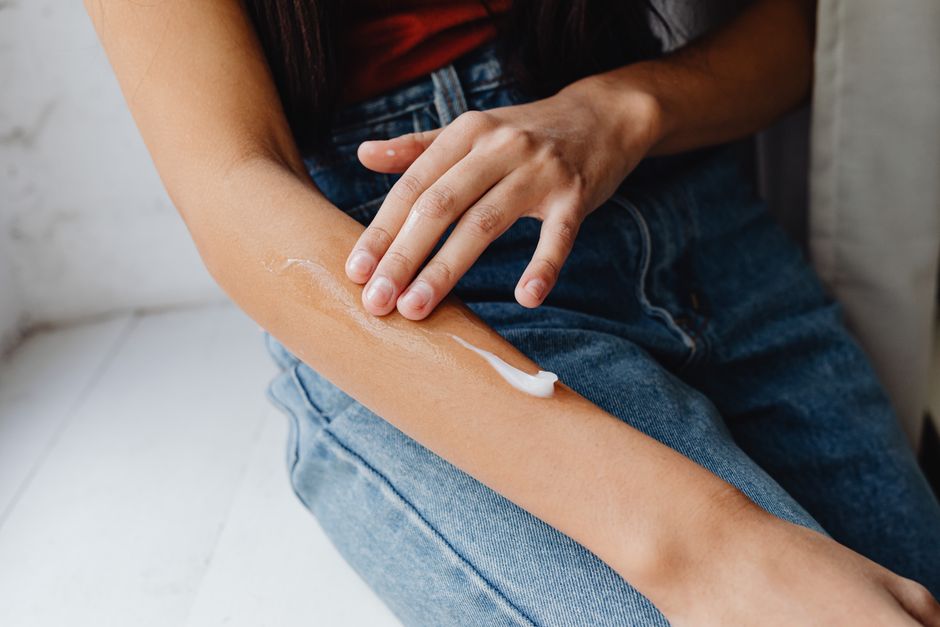
Itching is one of the most common reasons people see a doctor. It can be a minor annoyance or a symptom that disrupts sleep and daily life. The cause is rarely a single factor. Most cases trace back to a problem with the skin barrier, the immune system, or the nervous system. Understanding exactly what triggers your itch is the first step to treating it effectively.
What Causes Skin To Itch Conditions And Triggers?
Itching, medically called pruritus, starts when nerve endings in the skin send a signal to the brain. These nerve endings can be activated by chemicals released in the skin, most notably histamine. They can also be triggered by dryness, inflammation, or direct physical irritation.
Skin conditions like eczema, psoriasis, and contact dermatitis cause inflammation that irritates these nerves. Dry skin, or xerosis, is another major cause. When the outer layer of skin loses moisture, it cracks and becomes less protective. This exposes nerve endings and makes the skin more sensitive to anything that touches it.
Systemic conditions can also cause itching without any visible rash. Liver disease, kidney failure, thyroid problems, and certain blood disorders can all produce itch as a secondary symptom. In these cases, the trigger is internal, not something touching the skin.
How Do Skin Conditions Trigger Itch?
Inflammatory skin diseases are the most common cause of chronic itch. Eczema, also called atopic dermatitis, involves a defective skin barrier and an overactive immune response. The skin loses water easily, and immune cells release inflammatory chemicals that stimulate nerve endings.
Psoriasis works differently. It is an autoimmune condition where skin cells multiply too quickly. The rapid cell turnover causes thick, scaly patches that are often itchy. The inflammation in psoriasis activates the same nerve pathways as eczema, even though the skin looks different.
Contact dermatitis occurs when the skin touches an irritant or allergen. Poison ivy, nickel jewelry, certain fragrances, and latex are common triggers. The immune system reacts to the substance and releases histamine, which produces intense itching and sometimes a raised rash.
Fungal infections like athlete’s foot and ringworm also cause itching. The fungus grows in the outer layer of skin and produces enzymes that break down keratin. This triggers an inflammatory response that itches. These infections are treatable with antifungal medications, but they often require a doctor’s diagnosis first.
Why Does Dry Skin Cause Itching?
Dry skin is a leading cause of itch, especially in winter months. The stratum corneum, the outermost layer of skin, acts as a barrier. It holds in moisture and keeps irritants out. When this layer becomes dehydrated, it loses its integrity.
Microscopic cracks form in the dry skin. These cracks allow water to escape and irritants to enter. Nerve endings in the deeper layers become more exposed and more easily stimulated. This is why dry skin often feels itchy even without a visible rash.
Age plays a role here. Older adults produce less oil and have thinner skin, making them more prone to dryness-related itching. Hot showers, harsh soaps, and low-humidity environments strip the skin of its natural oils. This worsens the problem.
Simple changes often help. Shorter showers with lukewarm water, fragrance-free moisturizers, and humidifiers can restore the skin barrier. If dryness persists despite these measures, a dermatologist can evaluate for underlying conditions.





Can Internal Diseases Cause Itching Without A Rash?
Yes. Some of the most serious causes of itch produce no visible skin changes. This type of itch is called systemic pruritus. It originates from within the body, not from the skin itself.
Chronic kidney disease is a well-documented cause. When the kidneys fail to filter waste products from the blood, these substances accumulate. Some of them irritate nerve endings in the skin. Up to half of patients on dialysis experience significant itching.
Liver disease, particularly cholestasis, also causes itching. Bile salts build up in the blood when the liver cannot excrete them properly. These salts deposit in the skin and trigger itch. This type of itch is often worse at night and affects the palms and soles first.
Thyroid disorders can cause itching as well. Both hyperthyroidism and hypothyroidism have been linked to pruritus. The exact mechanism is not fully understood, but changes in skin metabolism and blood flow likely play a role.
Certain cancers, especially lymphoma, can present with itching. Hodgkin lymphoma is classically associated with itch, though it is not a common early symptom. Iron deficiency anemia is a more common and easily treated cause of generalized itching.
If you have persistent itching with no rash, a doctor should evaluate your blood work. Kidney function, liver enzymes, thyroid hormones, and a complete blood count are standard starting tests.
What Role Do Allergies And Histamine Play?
Histamine is the chemical most people associate with itching. It is released by mast cells, a type of immune cell, when they encounter an allergen. Histamine binds to receptors on nerve endings and causes them to fire. This produces the familiar itch of hives, insect bites, and allergic reactions.
Antihistamines block these receptors and are effective for histamine-driven itch. They work well for hives and allergic reactions. However, they are often ineffective for eczema, psoriasis, and dry skin itch because those conditions involve different inflammatory chemicals.
Not all allergies produce itching. Food allergies can cause hives, but they are rarely the cause of chronic eczema. Many people assume their itching is food-related when it is actually driven by skin barrier dysfunction. An allergist can help distinguish between these causes with testing.
It is important to note that histamine is only one piece of the puzzle. Nerve growth factor, substance P, and various interleukins also contribute to itch signaling. This is why some itches do not respond to antihistamines. The itch pathway is complex, and different triggers activate different branches of it.
How Do Nerves And The Brain Process Itch?
Itch is processed in the brain, not just the skin. Specialized nerve fibers, called pruriceptors, detect itch signals in the skin. These fibers send messages up the spinal cord to the brain. The brain then interprets these signals as itch and generates the urge to scratch.
Scratching provides temporary relief because it activates pain fibers. Pain signals can override itch signals in the spinal cord. This is why scratching feels good even though it damages the skin. The relief is short-lived, and scratching often makes the underlying condition worse.
Stress and anxiety can amplify itch perception. The brain areas that process emotion overlap with those that process itch. This is why itching often worsens during stressful periods. It is a real physiological effect, not just a psychological one.
Some medications that affect the nervous system can relieve itch. Gabapentin and pregabalin, originally developed for nerve pain, are sometimes prescribed for chronic itch. They work by calming overactive nerve signaling. These are prescription medications and are not first-line treatments for simple dry skin.
When Should You See A Doctor For Itching?
Most itching resolves with moisturizing and avoiding irritants. But some situations require medical attention. See a doctor if itching lasts more than two weeks despite self-care, if it covers your entire body, or if it interferes with sleep.
Seek prompt medical care if itching is accompanied by weight loss, fever, night sweats, or fatigue. These symptoms can indicate an underlying systemic condition. Itching that starts suddenly and is severe, especially without a rash, should also be evaluated.
Itching that affects only one area and does not respond to treatment may need a biopsy. Some skin conditions, like lichen planus or dermatitis herpetiformis, require specific testing for diagnosis. A dermatologist can identify these conditions and recommend appropriate treatment.
Do not ignore itching that comes with jaundice, which is yellowing of the skin or eyes. This combination suggests liver or gallbladder problems and requires urgent evaluation.
What Treatment Options Are Available?
Treatment depends on the underlying cause. For dry skin, moisturizers are the foundation. Thick creams and ointments work better than lotions because they trap more water in the skin. Apply them immediately after bathing while the skin is still damp.
Topical corticosteroids reduce inflammation and are the mainstay for eczema and psoriasis flares. They are available in different strengths. Over-the-counter hydrocortisone is mild, while stronger versions require a prescription. Use them as directed, because long-term use can thin the skin.
Antihistamines help with allergic itch and hives. Non-drowsy options work during the day, while sedating antihistamines can help with nighttime itching. They are not effective for all types of itch, as discussed earlier.
Newer prescription medications target specific inflammatory pathways. Dupilumab, for example, blocks a protein involved in eczema inflammation. JAK inhibitors are another class of drugs approved for eczema and psoriasis. These are significant advances for people with moderate to severe disease that does not respond to topical treatments.
Phototherapy, or light therapy, is another option. Controlled exposure to ultraviolet light can reduce inflammation and itch in some skin conditions. It requires multiple sessions and is typically prescribed by a dermatologist.
For systemic causes, treating the underlying disease is the priority. Kidney disease, liver disease, and thyroid disorders each have specific treatments. Once the underlying condition is managed, the itch often improves.
Frequently Asked Questions
Why does my skin itch at night?
Body temperature rises slightly at night, and blood flow to the skin increases, which can intensify itch signals. Dry air in the bedroom and the lack of daytime distractions also make nighttime itching more noticeable.
Can stress cause skin to itch?
Yes, stress can trigger or worsen itching. Stress activates nerve pathways and immune responses that increase inflammation in the skin, making existing conditions worse or triggering itch without a rash.
Why does scratching make itching worse?
Scratching damages the skin and triggers more inflammation, which releases additional itch chemicals. It also creates a scratch-itch cycle where the temporary relief from pain signals is followed by even stronger itch signals.
Is itching without a rash serious?
It can be. Itching without a visible rash may indicate an internal condition like kidney disease, liver disease, or a thyroid disorder. Persistent itch with no rash should be evaluated by a doctor with blood tests.
