
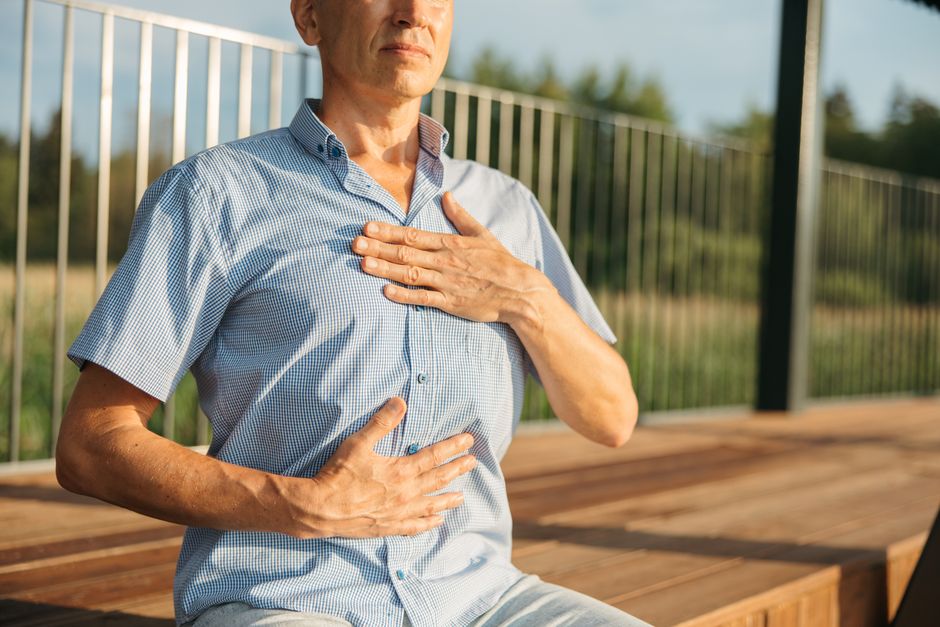
Shortness of breath is the uncomfortable feeling that you cannot get enough air into your lungs. It can happen suddenly or come on slowly, and it has many possible causes — from lung and heart problems to anxiety or simply being out of shape. The cause determines how it is treated, so identifying the reason behind this symptom is the first step.
What Does Shortness of Breath Feel Like?
People describe shortness of breath differently. Some say they feel “hungry for air.” Others feel tightness in the chest or a sense that they cannot take a deep breath. It may come with wheezing, coughing, or a rapid heart rate. The medical term is dyspnea. Your body is signaling that your lungs or heart are working harder than usual, or that your blood oxygen level is dropping.
In healthy people, the drive to breathe is automatic. Sensors in your brain, blood vessels, and muscles detect carbon dioxide levels and acidity. When those levels rise, you feel the urge to breathe more deeply or faster. Shortness of breath happens when that system is triggered more strongly than normal, or when the lungs or heart cannot keep up with demand.
What Causes Shortness Of Breath?
The causes of shortness of breath fall into several major categories: lung conditions, heart conditions, and other factors like anxiety or anemia. A single episode can also be triggered by something temporary like high altitude or intense exercise.
Lung Conditions
Lung problems are the most common cause. Conditions that block airways, reduce lung capacity, or damage lung tissue all can trigger dyspnea.
- Asthma: Airways narrow and produce extra mucus. Shortness of breath often comes with wheezing and coughing. Asthma attacks can be triggered by allergens, cold air, or exercise.
- Chronic Obstructive Pulmonary Disease (COPD): A progressive disease that makes it harder to breathe out fully. It includes emphysema and chronic bronchitis. Most cases are caused by smoking.
- Pneumonia: An infection that fills air sacs in the lungs with fluid. Shortness of breath is often accompanied by fever, cough, and chest pain.
- Pulmonary embolism: A blood clot that travels to the lung. This is a medical emergency. It causes sudden shortness of breath, sharp chest pain, and sometimes coughing up blood.
- Pulmonary fibrosis: Scarring in the lungs that stiffens the tissue. Shortness of breath develops gradually over months or years.
Heart Conditions
When the heart cannot pump blood effectively, fluid can back up into the lungs, making it hard to breathe. This is called heart failure. It often causes breathlessness during activity and when lying flat. Other heart causes include:
- Coronary artery disease: Narrowed arteries can reduce blood flow to the heart. This may cause shortness of breath instead of chest pain, especially in women and older adults.
- Heart attack: Sometimes called a “silent” heart attack when it presents with shortness of breath and no crushing chest pain.
- Arrhythmias: An irregular heartbeat can reduce the heart’s pumping efficiency and cause breathlessness.
- Pericarditis: Inflammation around the heart may cause chest pain and shortness of breath.
Other Common Causes
Not all shortness of breath comes from a diseased organ. Several other conditions can trigger the sensation.
- Anxiety and panic attacks: Anxiety can change your breathing pattern. Hyperventilation (rapid, shallow breathing) causes your body to get rid of too much carbon dioxide. This leads to chest tightness, tingling, and a feeling of suffocation — even though your lungs are normal.
- Anemia: Low red blood cells mean less oxygen delivered to tissues. This can cause shortness of breath during normal activity.
- Obesity: Excess weight puts pressure on the diaphragm and ribs, making it harder to expand the lungs fully.
- Deconditioning: When you are out of shape, your muscles demand more oxygen during activity, and your heart and lungs may not meet that demand efficiently.
- High altitude: Lower oxygen levels at altitude can cause breathlessness until the body adapts.
Acute vs. Chronic Shortness of Breath
Acute shortness of breath comes on suddenly — over minutes to hours. Causes include asthma attack, pulmonary embolism, pneumonia, heart attack, panic attack, or a foreign object in the airway. Chronic shortness of breath develops slowly over weeks to years. Common causes are COPD, heart failure, anemia, obesity, and deconditioning.
How Is Shortness of Breath Diagnosed?
Your doctor will start by asking you about your symptoms: when it started, if it happens with activity or at rest, and if anything makes it better or worse. Then they will listen to your lungs and heart. Common tests include:
- Pulse oximetry: A small clip on your finger measures blood oxygen level. Normal is 95% or higher.
- Chest X-ray: Can show pneumonia, lung collapse, or fluid in the lungs.
- Electrocardiogram (ECG): Checks heart rhythm and signs of a heart attack.
- Blood tests: Can detect anemia, infection, or signs of a blood clot.
- Pulmonary function tests: Measure how much air you can breathe in and out, and how fast.
In some cases, a CT scan, echocardiogram, or stress test may be needed. The choice depends on what your doctor suspects from your history and physical exam.




When Should You See a Doctor for Shortness of Breath?
Some episodes of breathlessness are mild and pass quickly. But you should seek medical attention right away if shortness of breath comes on suddenly and severely, or if it is accompanied by:
- Chest pain, pressure, or discomfort
- Pain that spreads to your arm, jaw, back, or neck
- Bluish lips or fingertips (a sign of very low oxygen)
- Confusion or drowsiness
- Fainting or near-fainting
- Rapid heartbeat or palpitations
- Wheezing or a barking cough
Also see a doctor if your usual shortness of breath is getting worse, if you wake up gasping for air at night, or if you cannot walk as far as you used to without stopping to catch your breath. Chronic mild shortness of breath should always be evaluated because it can signal a treatable underlying condition.
Can Shortness of Breath Be Prevented?
Prevention depends on the cause. For lung conditions like COPD and asthma, avoiding triggers and taking prescribed medications can reduce episodes. Not smoking is the single most effective step. For heart disease, managing blood pressure, cholesterol, and diabetes lowers your risk. Staying physically active improves your heart and lung efficiency. If anxiety is the cause, breathing exercises and stress management techniques can help.
There is no universal prevention for all types of shortness of breath. But maintaining a healthy weight, staying active, and treating underlying medical conditions can reduce your risk of developing it in the first place.
Frequently Asked Questions
Can anxiety cause shortness of breath?
Yes. Anxiety and panic attacks can cause rapid shallow breathing that leads to a sensation of suffocation.
Is shortness of breath a sign of a heart attack?
It can be, especially in women and older adults. Tightness, pain in the chest, and breathlessness together warrant emergency care.
What is the best position to breathe easier?
Sitting upright and leaning forward slightly, supported by a table or pillow, helps many people breathe more easily.
How do I know if my shortness of breath is serious?
Seek emergency care if it starts suddenly, is severe, or comes with chest pain, fainting, blue lips, or confusion.
