
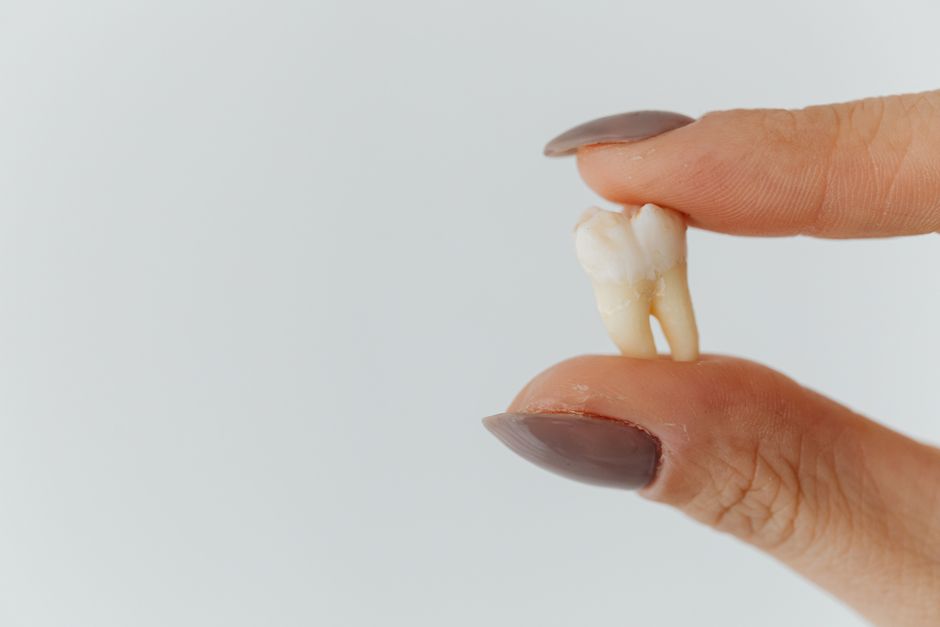
That quick jolt when cold water hits your tooth is not your imagination, and it is not something you have to live with. Tooth sensitivity happens when the softer layer beneath your enamel, called dentin, loses its protective cover. That exposure lets heat, cold, sweet, or acidic substances reach the nerves inside your tooth. The most common causes are worn enamel, receding gums, cavities, cracked teeth, and recent dental work. Treatment ranges from desensitizing toothpaste to fluoride treatments to fixing the underlying problem, depending on what is driving it.
What Causes Sensitivity In Teeth Triggers Treatments?
Under healthy enamel and gum tissue, dentin stays sealed off from the outside world. Dentin is packed with thousands of microscopic tubes called tubules that run from the tooth’s surface toward the nerve at its center. When enamel wears down or gums pull back, those tubules become exposed. Temperature changes, sweets, and acids move fluid inside the tubules, and that movement stimulates nerve endings. This is called the hydrodynamic theory, and it is the leading explanation for why sensitive teeth hurt the way they do.
Several things can strip that protective layer:
- Enamel wear from years of brushing too hard, using a hard-bristled brush, or grinding your teeth
- Gum recession, which exposes the root surface. Root surfaces have no enamel at all, so they are sensitive from the start
- Acid erosion from frequent citrus, soda, or stomach acid reaching the mouth
- Cavities and cracks, which create direct pathways to the inner tooth
- Recent dental work, including fillings, crowns, and cleanings
- Teeth whitening, which can temporarily open the tubules
Notice that these causes are not equal. Enamel wear and gum recession develop slowly over years. A cavity or cracked tooth can appear much faster and carries a different set of risks. That distinction matters because the treatment is not the same.
Why Does Cold Water Suddenly Hurt My Teeth?
Cold is the most common trigger because temperature change moves fluid inside the dentinal tubules faster than almost anything else. When you drink ice water, the fluid in exposed tubules shifts, and the nerve interprets that movement as pain. The sensation usually peaks within seconds and fades quickly once the cold is gone.
Heat sensitivity works differently and deserves more attention. If hot coffee or tea causes lingering pain that lasts more than a few seconds after the heat is removed, that pattern is more concerning than a brief cold jolt. Persistent heat sensitivity can point to pulpitis, which is inflammation of the tooth’s inner tissue. That is not a sensitivity problem to manage at home. It is a reason to see a dentist.
Sweet and sour triggers fall somewhere in between. Sugar itself does not damage enamel directly, but it feeds bacteria that produce acid. Sour foods are acidic on their own. Both can irritate exposed dentin and both can contribute to the erosion that caused the exposure in the first place.
How Do I Know If It Is Sensitivity Or Something More Serious?
The pattern of your pain tells you a lot. Sensitivity is typically sharp, brief, and tied to a specific trigger. It stops when the trigger stops. A cavity, cracked tooth, or infected pulp tends to produce pain that lingers, throbs, or shows up without any obvious cause.
Here is a general guide, though it is not a substitute for an exam:
- Sharp pain that stops within seconds of removing the trigger — usually sensitivity
- Pain that lingers after the cold or heat is gone — possibly pulp inflammation, needs evaluation
- Pain when biting down — possibly a cracked tooth or a problem with a filling
- Constant throbbing or pain that wakes you at night — possibly an infection, needs prompt care
- Visible hole, dark spot, or rough edge — possibly decay
One thing worth knowing: sensitivity and cavities can feel similar at first, and only a dentist can tell them apart with certainty. X-rays and a visual exam reveal what you cannot see or feel. If sensitivity is new, one-sided, or getting worse, that is your signal to get it checked.
What Actually Helps Sensitive Teeth?
Desensitizing toothpastes are the most common first step, and the evidence behind them is reasonable. They work in one of two ways. Some contain potassium salts, which appear to calm the nerve inside the tooth. Others contain stannous fluoride or similar compounds that block the tubules at the surface. Both approaches have support in clinical research, though results vary from person to person.
If you try a desensitizing toothpaste, give it time. Many people notice a difference within a few weeks of consistent use. Brushing gently with a soft-bristled brush matters just as much as the paste itself, because aggressive brushing keeps re-exposing the dentin you are trying to protect.
In-office treatments go further. Dentists can apply fluoride varnish, bonding agents, or sealants to block exposed tubules. These are generally done when at-home products are not enough. For gum recession, a dentist may recommend a gum graft in more advanced cases, though this is a bigger step and not everyone needs it.
What does not work is treating the symptom while ignoring the cause. If a cavity is driving your sensitivity, no toothpaste will fix it. If you grind your teeth at night, the wear will continue until the grinding is addressed, often with a night guard. Getting the diagnosis right is what makes treatment work.
What Can I Do To Prevent Sensitive Teeth From Getting Worse?
Prevention comes down to protecting the enamel and gum tissue you still have. Once enamel is gone, the body does not grow it back. That is why the habits below matter more than any single product.
- Use a soft-bristled toothbrush and brush with light pressure in small circles
- Wait about 30 minutes to brush after acidic foods or drinks, since enamel is temporarily softer right after acid exposure
- Limit frequent sipping of soda, citrus, and other acidic drinks throughout the day
- Use a straw for acidic beverages to reduce contact with teeth
- If you grind or clench, talk to your dentist about a night guard
- Keep regular dental checkups so problems get caught early
One insight that surprises people: it is not the total amount of acid you consume that does the most damage, it is how often. Sipping a soda slowly over an hour keeps your mouth acidic the whole time. Drinking it quickly with a meal gives your saliva a chance to neutralize the acid afterward. Frequency matters as much as quantity.
If you have tried desensitizing toothpaste for several weeks and your sensitivity is not improving, or if it is getting worse, that is a good reason to see a dentist rather than keep waiting. Sensitivity that does not respond to at-home care often has an underlying cause that needs treatment.
When Should I See A Dentist About Tooth Sensitivity?
See a dentist if sensitivity is severe, lasts more than a few weeks despite at-home care, or comes with pain that lingers, throbbing, swelling, or pain when biting. Those signs point to something beyond simple dentin exposure. A cracked tooth, an infected pulp, or a cavity that has reached the inner tooth all need professional treatment, and waiting can make them harder to fix.
Even if your sensitivity is mild, a routine checkup is worth it. Dentists can spot early enamel wear, receding gums, and small cavities before they cause bigger problems. Many people assume sensitivity is just part of getting older. It is common, but it is not inevitable, and it is often treatable once the cause is identified.
The bottom line: sensitivity is a symptom, not a diagnosis. Finding out what is exposing your dentin is the first step. From there, treatment can be as simple as switching toothpaste or as involved as repairing a cracked tooth. The right answer depends entirely on the cause.
Frequently Asked Questions
Does sensitive toothpaste actually work?
Yes, for many people. Desensitizing toothpastes with potassium salts or stannous fluoride have reasonable clinical support for reducing sensitivity, though results vary and they take a few weeks of consistent use to work.
Can tooth sensitivity go away on its own?
Sometimes, especially if it is related to recent dental work or temporary whitening. Sensitivity from worn enamel or receding gums usually does not resolve without treatment, and it often gets worse over time if the cause is not addressed.
Is heat sensitivity worse than cold sensitivity?
Heat sensitivity that lingers after the heat is removed is generally more concerning than a brief cold jolt. Persistent heat pain can signal pulp inflammation, which needs a dental exam rather than at-home treatment.
Can I fix sensitive teeth at home?
You can reduce mild sensitivity at home with desensitizing toothpaste, a soft brush, and less frequent acid exposure. If sensitivity is severe, one-sided, or not improving after several weeks, it needs a professional evaluation to rule out cavities or cracks.
