
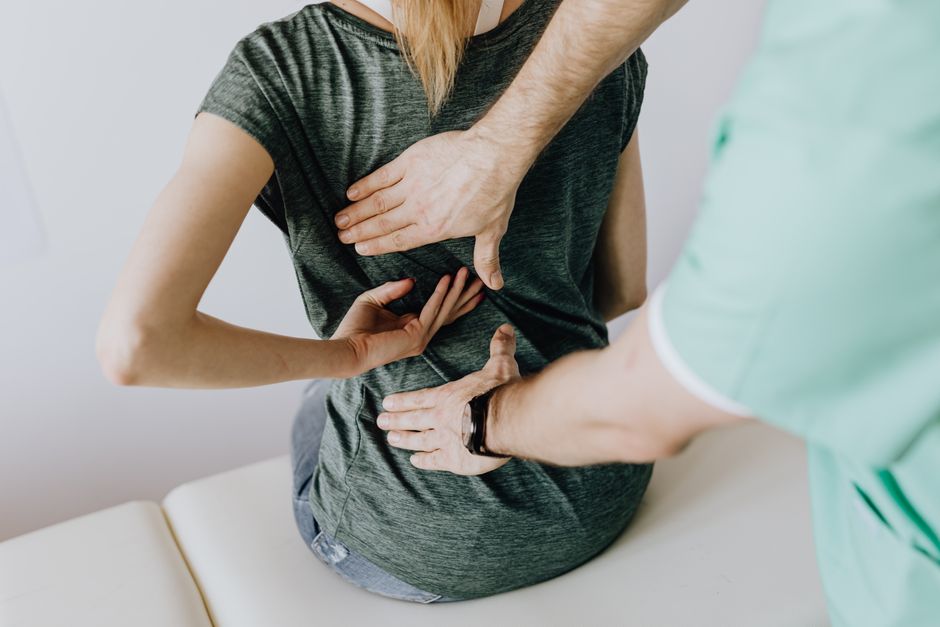
Sacral fat is the pad of fat that develops over the lower back, just above the tailbone. It is most often a normal response to weight gain, hormonal changes, or the natural aging process. Management focuses on overall weight reduction, strength training, and in some cases, medical treatment for an underlying condition.
What Is Sacral Fat and Where Does It Sit?
Sacral fat sits over the sacrum, the triangular bone at the base of the spine. This area is just above the tailbone and between the hips. The fat pad here is a normal part of human anatomy. Everyone has some fat in this region.
For some people, this fat becomes more noticeable. It can form a visible mound or bulge. In medical terms, this is sometimes called a sacral fat pad. It is different from a pilonidal cyst, which is a painful, infected pocket near the same area. Sacral fat is not a cyst and is not inherently painful.
What Causes Sacral Fat?
Several factors can contribute to fat accumulation in the sacral area. The most common cause is general weight gain. Fat distributes differently from person to person. Some people store more fat in the abdomen. Others store it in the hips, thighs, or lower back.
Hormones play a role. Cortisol, the stress hormone, can influence where the body stores fat. Conditions that raise cortisol levels, such as Cushing’s syndrome, can cause fat to build up on the back of the neck and upper back. This is called a buffalo hump. A similar pattern can affect the sacral area, though it is less commonly discussed.
Aging also matters. As skin loses elasticity and muscle mass declines, fat pads can become more prominent. The sacral area is no exception. What was once a subtle curve can become a visible pad over time.
Genetics influence fat distribution. If your parents stored fat in their lower backs, you may do the same. This is not something you chose or caused. It is simply how your body is built.
Is Sacral Fat a Health Risk?
For most people, sacral fat is a cosmetic concern, not a medical one. It does not cause pain, limit movement, or indicate disease. The fat pad itself is not dangerous.
However, excess fat anywhere in the body is associated with health risks. Carrying extra weight increases the risk of heart disease, type 2 diabetes, and high blood pressure. These risks are tied to overall body fat, not specifically the fat on your sacrum.
One exception is when sacral fat appears suddenly or grows rapidly. This can signal a hormonal problem. If you notice a fast-growing fat pad on your lower back, especially with other symptoms like easy bruising, muscle weakness, or a round face, talk to a doctor. These can be signs of Cushing’s syndrome, a condition caused by high cortisol levels.



How Is Sacral Fat Managed?
Management depends on the cause. For most people, the approach is the same as managing overall body weight. There is no way to target fat loss to one specific area of the body. This is a common myth. Spot reduction does not work.
When you lose weight, your body decides where it loses fat from. For some people, the sacral area responds quickly. For others, it is the last place to change. This is genetic. You cannot control it.
Strength training can help improve the appearance of the area. Building muscle in the lower back, glutes, and hamstrings creates a more defined contour. Exercises like squats, deadlifts, and hip bridges strengthen these muscles. Stronger muscles can make the fat pad look less prominent, even if the fat itself does not change.
Posture matters too. Slouching can make the lower back look rounder and the fat pad more noticeable. Improving posture with core strengthening can change how the area looks.
When Is Medical Treatment Needed?
Medical treatment is rarely needed for sacral fat. The exception is when an underlying condition causes the fat to form. If a doctor diagnoses Cushing’s syndrome or another hormonal disorder, treating that condition is the priority. Once hormone levels return to normal, the fat pad often shrinks on its own.
In some cases, people seek cosmetic treatment for sacral fat. Liposuction can remove fat from the area. This is an outpatient procedure with a recovery period. It is not medically necessary. It is a personal choice based on how the fat affects your confidence or comfort.
Surgical removal is also possible, though less common. A surgeon can excise the fat pad directly. This leaves a scar. Most surgeons recommend trying weight loss and exercise before considering surgery.
No clinical guidelines currently exist specifically for managing sacral fat. The evidence base is limited. Most of what is known comes from general obesity research and cosmetic surgery case reports. This does not mean the condition is mysterious. It means the medical literature has not studied it as a distinct entity.
What Does Not Work for Sacral Fat?
Several products claim to reduce fat in specific areas. Creams, wraps, and massage devices are widely marketed for this purpose. No study has confirmed that any topical product can remove fat from the sacral area. These products do not penetrate deeply enough to affect fat tissue.
CoolSculpting, also called cryolipolysis, is sometimes used on the lower back. This procedure freezes fat cells, which then die and are cleared by the body. Some evidence suggests it can reduce fat in treated areas. However, results vary. It does not work for everyone, and it is not a weight-loss tool. It is for small pockets of fat in people already at a healthy weight.
Shaping underwear and compression garments do not reduce fat. They temporarily change how the area looks while worn. Once removed, the fat returns to its original position. These garments are not a treatment.
What Causes Sacral Fat And How Is It Managed?
The direct answer is that sacral fat is caused by the same factors that drive fat storage elsewhere in the body. Weight gain, genetics, hormones, and aging all contribute. Management means addressing the underlying cause. For most people, this is overall weight management and strength training. For a smaller group, it means treating a hormonal condition. Cosmetic procedures are an option but are not medically required.
If you are concerned about a fat pad on your lower back, start with the basics. Look at your overall health habits. Are you eating a balanced diet? Are you physically active? Are you sleeping well? These are the foundations of weight management.
If the fat pad appeared suddenly, grew quickly, or is accompanied by other symptoms, seek medical advice. A doctor can check your hormone levels and rule out underlying conditions. This is the responsible first step, not a cosmetic consultation.
When to See a Doctor
See a doctor if the sacral area becomes painful. Pain in this region is not typical for a fat pad. It could indicate a pilonidal cyst, a spinal issue, or another problem. Do not assume a painful lump is just fat.
See a doctor if the fat grows rapidly or if you have other symptoms like unexplained weight gain, fatigue, or high blood pressure. These could signal a hormonal issue that needs evaluation.
Otherwise, sacral fat is a normal variation of body shape. It does not require medical attention. It is not a sign of poor health by itself. It is simply where your body stores some of its fat.
Frequently Asked Questions
Can you lose sacral fat with exercise?
You cannot target fat loss to the sacral area specifically. Overall weight loss from diet and exercise will reduce fat throughout the body, including the lower back, but the rate and order of fat loss are determined by genetics.
Is sacral fat painful?
No, a normal sacral fat pad is not painful. If you have pain in the lower back or tailbone area, see a doctor, as this may indicate a different condition such as a pilonidal cyst or spinal issue.
Does sacral fat go away with weight loss?
It can shrink with overall weight loss, but it may be the last area to change. Some people retain a visible fat pad even at a healthy weight because of genetics and skin elasticity.
Is liposuction safe for sacral fat removal?
Liposuction is a generally safe outpatient procedure when performed by a qualified surgeon, but it carries standard surgical risks like infection, scarring, and uneven results. It is a cosmetic procedure and not medically necessary.
