
A ruptured eardrum happens when a tear or hole forms in the thin tissue separating your ear canal from your middle ear. The most common causes are middle ear infections, sudden pressure changes, loud noises, and physical injury. When the eardrum tears, you may notice sudden ear pain, hearing loss, drainage, or a feeling of fullness in the ear. Most ruptured eardrums heal on their own within a few weeks, but some require medical treatment to prevent infection or permanent hearing damage.
What Is the Eardrum and Why Does It Matter?
The eardrum, medically called the tympanic membrane, is a thin, cone-shaped layer of tissue about the size of a dime. It sits at the end of your ear canal and marks the boundary between the outer ear and the middle ear.
When sound waves hit the eardrum, it vibrates. Those vibrations pass through three tiny bones in the middle ear and eventually reach the inner ear, where they become nerve signals your brain reads as sound. The eardrum also protects the middle ear from water, bacteria, and foreign objects. A tear in this membrane disrupts both of those jobs.
What Causes Ruptured Eardrum?
The most common cause of a ruptured eardrum is a middle ear infection, medically known as otitis media. When fluid and pus build up behind the eardrum during an infection, the pressure rises. If the pressure becomes severe enough, the eardrum tears and the fluid drains out. Many people notice sudden relief from ear pain when this happens. The discharge may be bloody, clear, or yellow.
Pressure changes are the second most common cause. This is called barotrauma. It happens when the air pressure outside the eardrum differs sharply from the pressure inside the middle ear. Scuba diving, airplane takeoffs and landings, and explosive blasts can all trigger this type of rupture.
Physical injury is another frequent cause. Inserting cotton swabs, bobby pins, or other objects into the ear canal can puncture the eardrum directly. Even a forceful slap over the ear can create enough pressure to tear it. Very loud noises, like a gunshot fired close to the head or a concert speaker at full volume, can also rupture the eardrum through acoustic trauma.
Less common causes include severe head trauma, such as a skull fracture, and sudden changes in altitude during mountain driving or skydiving. In rare cases, a foreign object lodged in the ear canal can cause an infection that eventually erodes the eardrum.
How Do You Know If Your Eardrum Is Ruptured?
Symptoms vary depending on the cause and the size of the tear. Ear pain is common at the moment of rupture, though it often fades quickly once pressure equalizes. Some people report a sharp, stabbing sensation followed by immediate relief.
Hearing loss is another hallmark symptom. It may be partial or complete in the affected ear, and it can feel like a sudden muffling of sound. You might also notice a popping or crackling sensation when you swallow or yawn.
Drainage from the ear is a strong sign of rupture. The fluid may be bloody, clear, or pus-like depending on the underlying cause. Some people also experience ringing in the ear, called tinnitus, or a spinning sensation known as vertigo. Vertigo suggests the rupture may be affecting deeper structures of the ear, which requires prompt medical evaluation.
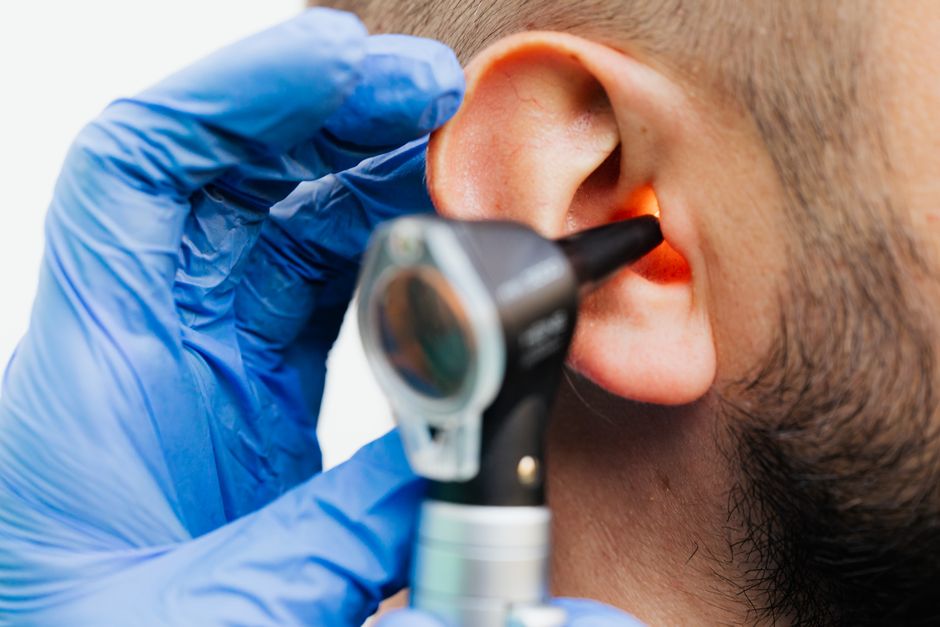
Not all ruptured eardrums cause noticeable symptoms. Small tears can heal silently without ever being diagnosed. If you suspect a rupture, an otolaryngologist — an ear, nose, and throat doctor — can confirm it with a quick look using an otoscope.





When Should You See a Doctor?
See a doctor promptly if you suspect your eardrum has ruptured. Delaying care can increase the risk of infection, especially if water enters the middle ear through the tear. Untreated middle ear infections can also spread to the mastoid bone behind the ear or, in rare cases, to the brain.
Seek emergency care if you experience severe vertigo, sudden profound hearing loss, or drainage that looks like thick pus. These can signal a more serious injury or an infection that is spreading. Facial weakness or numbness on the same side as the ear is another red flag that requires immediate attention.
Your doctor will examine your ear with an otoscope and may perform a hearing test to measure the extent of damage. If the eardrum does not appear to be healing after several weeks, you may be referred to a specialist for further evaluation.
How Is a Ruptured Eardrum Treated?
Most ruptured eardrums heal without treatment within six to eight weeks. The body closes small tears on its own, much like a cut on your skin. During this time, keeping the ear dry is essential. Water entering the middle ear through the tear can introduce bacteria and cause an infection.
Your doctor may recommend over-the-counter pain relievers such as acetaminophen or ibuprofen to manage discomfort. If infection is present or suspected, antibiotic ear drops or oral antibiotics may be prescribed. Some clinicians recommend avoiding forceful nose blowing while the eardrum heals, as this can push pressure through the Eustachian tube and interfere with healing.
For larger tears or tears that do not heal on their own, surgical repair may be necessary. The procedure, called tympanoplasty, uses a small patch of tissue to close the hole. Surgery is typically successful, and most people regain normal or near-normal hearing afterward.
If the rupture was caused by a middle ear infection, treating the underlying infection is the priority. Once the infection clears, the eardrum often heals on its own. If the rupture was caused by trauma or pressure changes, the focus is on keeping the ear clean and dry while it recovers.
What Are the Risks of Leaving a Ruptured Eardrum Untreated?
The most common complication is chronic infection. With a hole in the eardrum, bacteria can enter the middle ear more easily. Recurrent infections can damage the tiny bones of the middle ear, leading to permanent hearing loss.
Another risk is the development of a cholesteatoma, an abnormal skin growth in the middle ear. This condition can erode bone and damage hearing if left untreated. Cholesteatomas require surgical removal.
Permanent hearing loss is possible but not inevitable. The degree of hearing loss depends on the size and location of the tear, as well as whether infection or other complications develop. Small tears typically heal without any lasting hearing problems.
Can You Prevent a Ruptured Eardrum?
Prevention focuses on addressing the underlying causes. Treat middle ear infections promptly. If you or your child has frequent ear infections, talk to a doctor about prevention strategies, including vaccination against pneumococcal disease and influenza.
Never insert objects into your ear canal. Cotton swabs are a common cause of rupture, and they are not recommended for ear cleaning. Earwax typically clears on its own. If you have excess earwax, use over-the-counter softening drops or see a professional for removal.
When flying, chew gum, swallow frequently, or use specialized ear plugs designed to regulate pressure during takeoff and landing. If you have a cold or allergy congestion, consider using a decongestant before flying to help keep the Eustachian tubes open.
Scuba divers should equalize ear pressure slowly and frequently during descent. Never dive with an active cold, allergy flare-up, or ear infection, as congestion can prevent pressure equalization and increase rupture risk. Wear hearing protection in loud environments, especially around firearms or heavy machinery.
Does a Ruptured Eardrum Heal Completely?
Most ruptured eardrums heal fully without intervention. Small tears typically close within a few weeks, and hearing returns to normal once the membrane seals. Larger tears may take longer or require surgical repair.
Even after the eardrum heals, scar tissue can form. In most cases, this scarring is minimal and does not affect hearing. In rare cases, significant scarring can reduce the eardrum’s ability to vibrate, causing mild hearing loss.
Hearing loss is usually temporary while the tear is open. Once the eardrum closes, hearing typically recovers. If hearing does not improve after healing, further evaluation is needed to check for damage to the middle ear bones or inner ear.
Frequently Asked Questions
How long does a ruptured eardrum take to heal?
Most ruptured eardrums heal on their own within six to eight weeks. Larger tears or those complicated by infection may take longer or require surgery.
Can a ruptured eardrum cause permanent hearing loss?
Permanent hearing loss is possible but not typical. Small tears usually heal without lasting hearing problems, but chronic infection or damage to the middle ear bones can cause permanent loss.
Can you fly with a ruptured eardrum?
Flying with a ruptured eardrum is generally discouraged until the ear has healed. Pressure changes during flight can worsen the injury or delay healing.
Will a ruptured eardrum bleed?
Some bleeding is common at the moment of rupture. You may notice blood-tinged drainage from the ear, especially if the cause was trauma or a sudden pressure change.
Is a ruptured eardrum an emergency?
Most ruptured eardrums are not medical emergencies, but you should see a doctor within a day or two. Seek emergency care for severe vertigo, sudden profound hearing loss, or thick pus draining from the ear.
