
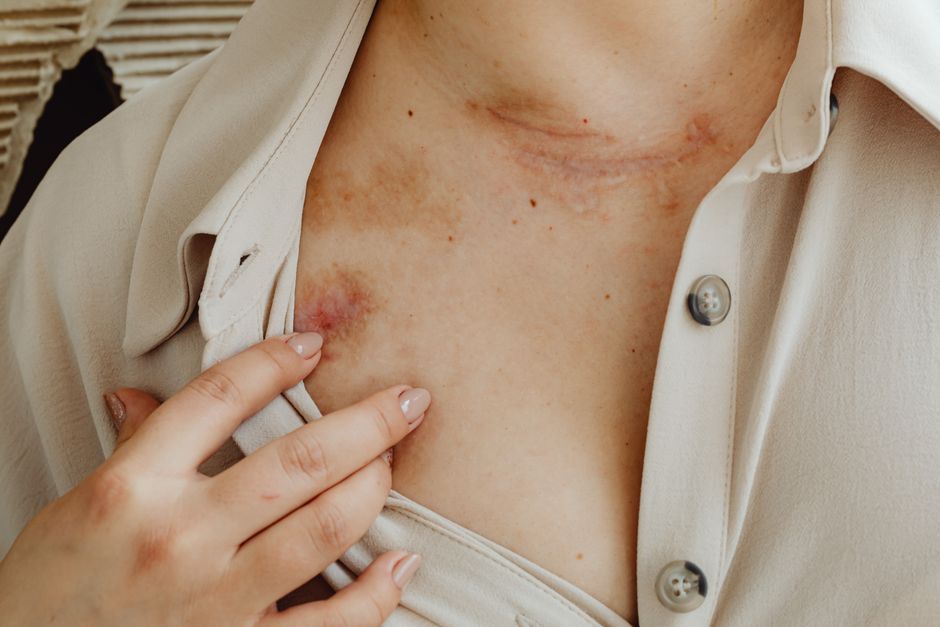
A red lesion on the skin is any area of skin that looks different from the surrounding skin because of its red color and raised or changed texture. The causes range from simple insect bites and allergic reactions to infections and chronic conditions like psoriasis. Most red lesions are harmless and clear up on their own, but some require medical treatment. The key to knowing the difference lies in the lesion’s appearance, how fast it grows, and what other symptoms accompany it.
What Causes Red Lesions On The Skin?
Red lesions form when blood vessels in the skin dilate, or widen, and bring more blood to the area. This is called inflammation. The immune system sends white blood cells and other chemicals to the site, which causes redness, swelling, and sometimes pain or itching.
The most common causes fall into a few groups: infections, allergic reactions, autoimmune conditions, and blood vessel issues. Each group has its own patterns and typical appearances.
Common Infectious Causes of Red Lesions
Bacterial, viral, and fungal infections can all produce red lesions on the skin.
Bacterial infections like impetigo cause red sores that ooze and form a golden crust. Cellulitis is a deeper bacterial infection that makes the skin red, warm, swollen, and tender. It often spreads quickly and requires medical attention.
Viral infections are also common culprits. Shingles, which comes from the chickenpox virus reactivating, causes a painful red rash with blisters that follows a nerve pathway on one side of the body. Measles produces a red spotty rash that starts on the face and spreads downward. Even the common cold can trigger a mild viral rash in some people.
Fungal infections like ringworm create red, scaly rings with clearer skin in the middle. Despite the name, ringworm is not caused by a worm. It is a fungus that thrives on warm, moist skin.
Allergic Reactions and Irritants
Contact dermatitis happens when skin touches something it reacts to. Poison ivy, nickel in jewelry, certain soaps, and latex are common triggers. The reaction produces red, itchy lesions that may blister. The rash appears only where the skin touched the trigger, which is a helpful clue for diagnosis.
Hives, also called urticaria, are red or pink raised welts that appear suddenly. They are often caused by food allergies, medications, or stress. Hives typically move around the body and each individual welt fades within 24 hours, even as new ones appear.
Eczema, or atopic dermatitis, is a chronic condition where the skin barrier is weak. It leads to red, itchy, dry patches that flare up periodically. Eczema is not an allergy itself, but people with eczema often have allergies too.





Autoimmune and Chronic Skin Conditions
Psoriasis is a chronic autoimmune condition that speeds up skin cell turnover. Skin cells build up rapidly, forming thick, red patches covered with silvery scales. These plaques most often appear on the elbows, knees, scalp, and lower back.
Lupus can cause a distinctive red rash across the cheeks and nose, sometimes shaped like a butterfly. This autoimmune disease affects multiple body systems, so skin lesions are often accompanied by joint pain, fatigue, and fever.
Rosacea causes redness and visible blood vessels on the face, most commonly on the cheeks, nose, chin, and forehead. It can also produce red bumps that look like acne. Triggers include sun exposure, spicy foods, alcohol, and temperature changes.
When a Red Lesion Needs Immediate Medical Attention
Most red lesions are not emergencies, but some warning signs should not be ignored.
Seek medical care if a red lesion is accompanied by fever, chills, or feels hot to the touch. Rapidly spreading redness, especially with pain and swelling, can indicate cellulitis, a bacterial infection that can become serious if untreated.
A red lesion that bleeds easily, does not heal within a few weeks, or changes in size, shape, or color could be a form of skin cancer. Basal cell carcinoma often appears as a pearly or waxy bump, while squamous cell carcinoma can look like a firm red nodule or a flat sore with a scaly crust. Melanoma can present as an existing mole that changes or a new pigmented lesion that looks unusual.
Sudden widespread red lesions with blistering, especially around the eyes or mouth, or accompanied by difficulty breathing or swelling of the lips and tongue, require emergency care. This could be a severe allergic reaction called anaphylaxis.
How Doctors Diagnose Red Lesions
A dermatologist starts with a visual exam. The location, shape, color, and distribution of lesions provide important clues. The doctor will ask about when the lesion appeared, whether it itches or hurts, and what you were doing before it showed up.
Many lesions can be diagnosed by appearance alone. When the diagnosis is unclear, the doctor may perform a skin scraping to check for fungus under a microscope. A skin biopsy, where a small sample of tissue is removed and examined in a lab, is the definitive test for many conditions including skin cancer and autoimmune diseases.
Allergy testing may be recommended if contact dermatitis is suspected. Blood tests can help diagnose autoimmune conditions like lupus.
Treatment Options for Red Lesions
Treatment depends entirely on the cause. Using the wrong treatment can make things worse.
For mild allergic reactions and contact dermatitis, over-the-counter hydrocortisone cream and oral antihistamines can reduce itching and inflammation. Cold compresses also help soothe irritated skin.
Bacterial infections require antibiotics, either topical or oral. Viral infections like shingles may be treated with antiviral medications if started early. Fungal infections need antifungal creams or oral medications.
Psoriasis treatment includes topical corticosteroids, vitamin D analogs, and light therapy. More severe cases may use biologic medications that target specific parts of the immune system. These are prescription treatments that require a doctor’s supervision.
Eczema is managed with moisturizers, avoiding triggers, and using prescription anti-inflammatory creams during flare-ups.
Home Care and Prevention
For minor red lesions, gentle skin care helps. Wash the area with mild soap and water, keep it clean and dry, and avoid scratching. Scratching can break the skin and lead to secondary bacterial infections.
Moisturizing regularly helps maintain the skin barrier and can prevent eczema flare-ups. Choosing fragrance-free products reduces the risk of irritation.
Sun protection is important for preventing both sun damage and skin cancer. Use a broad-spectrum sunscreen with SPF 30 or higher, wear protective clothing, and avoid peak sun hours.
If you know your triggers for hives or contact dermatitis, avoiding those triggers is the most effective prevention. Keep a diary of flare-ups to identify patterns.
No home remedy has been proven to cure skin conditions like psoriasis or eczema. Some people find relief with oatmeal baths or aloe vera, but these are comfort measures, not treatments. The evidence for most natural remedies is limited, and they should not replace prescribed medical treatment.
Frequently Asked Questions
What do red lesions on the skin look like?
Red lesions can be flat spots, raised bumps, blisters, or scaly patches. They range from tiny dots to large plaques and may itch, hurt, or cause no symptoms at all.
Can stress cause red lesions on the skin?
Stress can trigger or worsen conditions like hives, eczema, and psoriasis. Stress itself does not directly cause lesions, but it can cause existing conditions to flare up.
How long do red lesions take to heal?
Healing time depends on the cause. Hives usually fade within 24 hours, contact dermatitis can take one to three weeks, and chronic conditions like psoriasis may persist for months without treatment.
Are red lesions on the skin contagious?
Some are and some are not. Bacterial and viral infections like impetigo, shingles, and ringworm can spread to others. Allergic reactions, eczema, psoriasis, and rosacea are not contagious.
